Historical revisionism
Altering the public account of the past, by omission, invention, or the removal of inconvenient people and facts, so that the present arrangement appears to have been inevitable or deserved.
Whoever controls the story of how we got here controls what "here" means. The device edits the record: a defeat becomes a betrayal, a massacre becomes a battle, a founder's rivals vanish from the photograph, a war's cause is replaced with a nobler one. The audience, who did not live through the events and trusts the textbook, the monument, and the archive, inherits the edited version as memory.
Historians revise history constantly and legitimately, on the basis of new evidence. The device is revision against the evidence, in the interest of power, and it usually arrives with the evidence's suppression. Its extreme form, negationism, denies documented atrocities outright. Exploits Rosy Retrospection and Hindsight Bias.
Historical examples
David King's The Commissar Vanishes collected Soviet photographs in their successive official versions: as party figures were purged, they were removed from the pictures, so that a group of four became three, then two, then Stalin alone. The retouching was done by state studios and reproduced in encyclopedias, whose owners were sent replacement pages and instructions to cut out the old ones.
King, David. The Commissar Vanishes: The Falsification of Photographs and Art in Stalin's Russia. New York: Metropolitan Books, 1997.
The "Lost Cause" reinterpretation of the American Civil War, promoted through memoirs, monuments, and school textbooks vetted by heritage organizations, recast the Confederacy's cause as states' rights rather than slavery and its defeat as the product of numbers rather than of the cause. Blight's Race and Reunion traces how the revised account came to dominate national memory for a century.
Blight, David W. Race and Reunion: The Civil War in American Memory. Cambridge, MA: Harvard University Press, 2001.
In advertising and commerce
Company histories are routinely written to the founder's advantage: the garage origin that omits the investors, the invention that omits the predecessor, the merger that omits the lawsuit. Business historians have documented the genre's patterns, and archives opened in litigation, as with tobacco, have repeatedly contradicted the authorized account.
Proctor, Robert N. Golden Holocaust. Berkeley: University of California Press, 2011, on the industry's account of its own research; Rowlinson, Michael, and John Hassard. "The Invention of Corporate Culture: A History of the Histories of Cadbury." Human Relations 46, no. 3 (1993): 299–326.
In the archive
Posters and advertisements annotated with this technique.
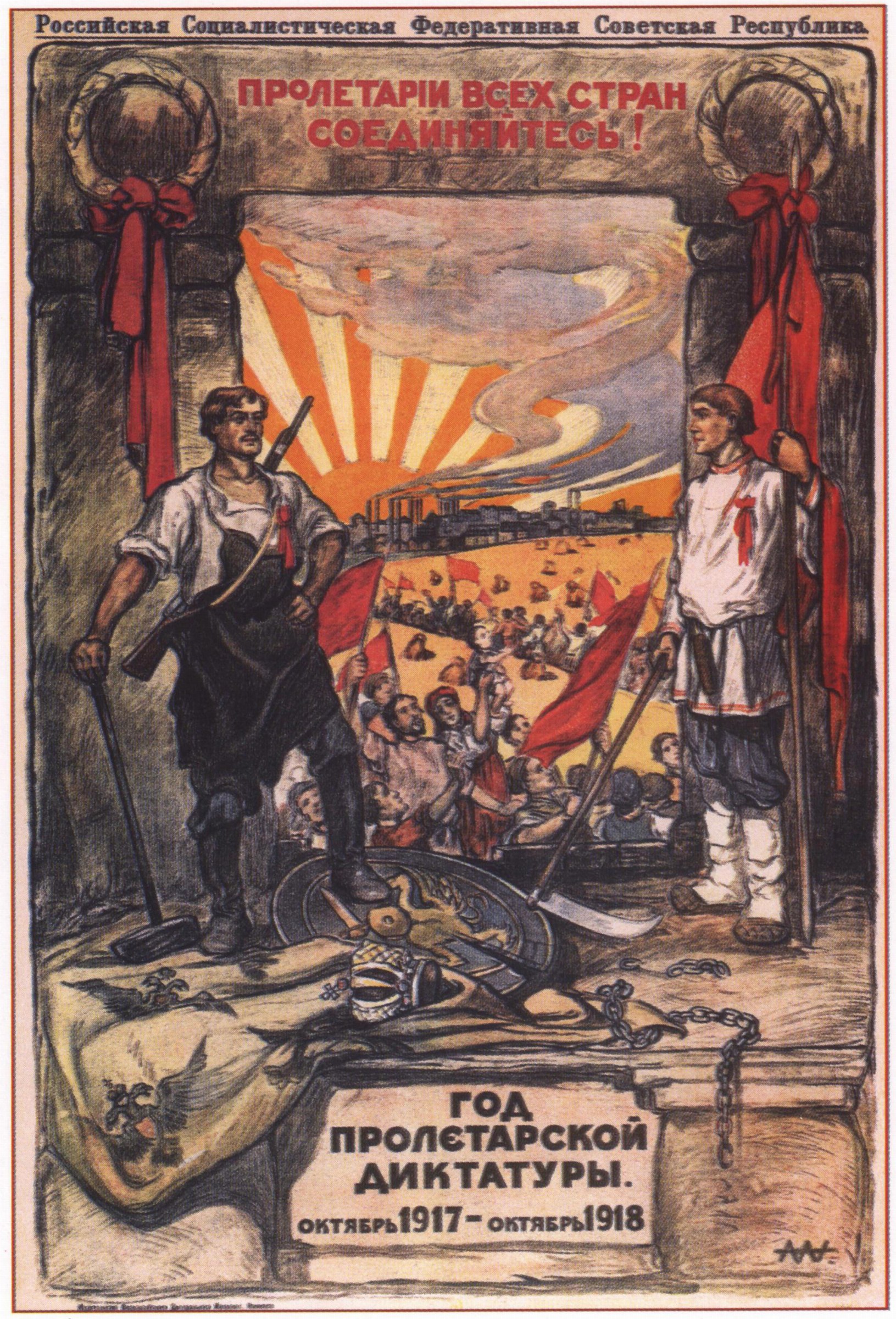
Find a monument, plaque, or textbook passage about a historical event. What does it leave out? Find one fact about the event that the account would rather you didn't know.
In the wild
Short examples of the technique at work, each with what to notice. The same examples are questions in the quiz, where the answer is not given away.
The new edition of the school textbook describes the 1960s protests as "a period of unrest instigated by outside agitators," and the chapter on the massacre is gone.
What to notice. The public record is edited by omission and reframing to suit the present government.
The company's anniversary film credits the founder with the invention; the patent names two engineers he later dismissed.
What to notice. Inconvenient people are removed from the origin story.
"The war was never about that. Everyone knows it was about tariffs." The declarations of secession say otherwise.
What to notice. A documented cause is replaced with a more flattering one and asserted as common knowledge.
Sources
- King, David. The Commissar Vanishes. New York: Metropolitan Books, 1997. ISBN 978-0805052947
- Blight, David W. Race and Reunion: The Civil War in American Memory. Cambridge, MA: Harvard University Press, 2001. ISBN 978-0674003323
- Lipstadt, Deborah E. Denying the Holocaust: The Growing Assault on Truth and Memory. New York: Free Press, 1993. ISBN 978-0452272743
- Evans, Richard J. Lying About Hitler: History, Holocaust, and the David Irving Trial. New York: Basic Books, 2001. ISBN 978-0465021536