Card stacking
Presenting only the facts, figures, and quotations that favor one side, and leaving out everything that doesn't, so that a true selection produces a false impression.
Nothing in a card-stacked passage need be false. The deception is in the arrangement: the favorable facts are dealt face up and the unfavourable ones stay in the deck. Because every individual statement checks out, the audience's usual defense, verifying claims, does not help. The missing material is what would change the conclusion, and the audience cannot check what it has not been shown.
The Institute for Propaganda Analysis called it the device that "involves the selection and use of facts or falsehoods, illustrations or distractions, and logical or illogical statements in order to give the best or the worst possible case." It is the parent of several modern techniques on this site: cherry-picking, half-truth, and misleading statistics are all card stacking with a specialty. Exploits Availability Heuristic and Anchoring.
Historical examples
The "Frank Statement to Cigarette Smokers," a full-page advertisement placed in over 400 American newspapers in January 1954, acknowledged that "recent reports" had linked smoking to cancer and then stacked the deck: the experiments were "not regarded as conclusive," eminent doctors questioned them, and the industry was funding independent research. Every sentence was defensible. What was left out was that the industry's own scientists had by then accepted the link.
Brandt, Allan M. The Cigarette Century. New York: Basic Books, 2007; "A Frank Statement to Cigarette Smokers," 4 January 1954, Truth Tobacco Industry Documents, University of California San Francisco. Source
Official communiqués on all sides reported advances and enemy losses in detail and their own casualties in general terms or not at all, so that a public reading only its own side's bulletins could believe a war of attrition was being won every week. The Lees used wartime reporting as their standing example of the device.
Lee, Alfred McClung, and Elizabeth Briant Lee. The Fine Art of Propaganda. New York: Harcourt, Brace, 1939, on the "card stacking" device; Jowett and O'Donnell, Propaganda and Persuasion, 7th ed. (2019), on First World War propaganda.
In advertising and commerce
The UK Advertising Standards Authority ruled against Colgate's claim that "more than 80% of dentists recommend Colgate." The survey behind it had let dentists name several brands, so a rival could be recommended by a similar share. The figure was accurate; the impression, that most dentists preferred Colgate over alternatives, was produced by what the advertisement did not say.
Advertising Standards Authority (UK). Adjudication on Colgate-Palmolive (UK) Ltd, 17 January 2007.
In the archive
Posters and advertisements annotated with this technique.
 Everything for the front!
Soviet Union · 1942 · 4 techniques annotated
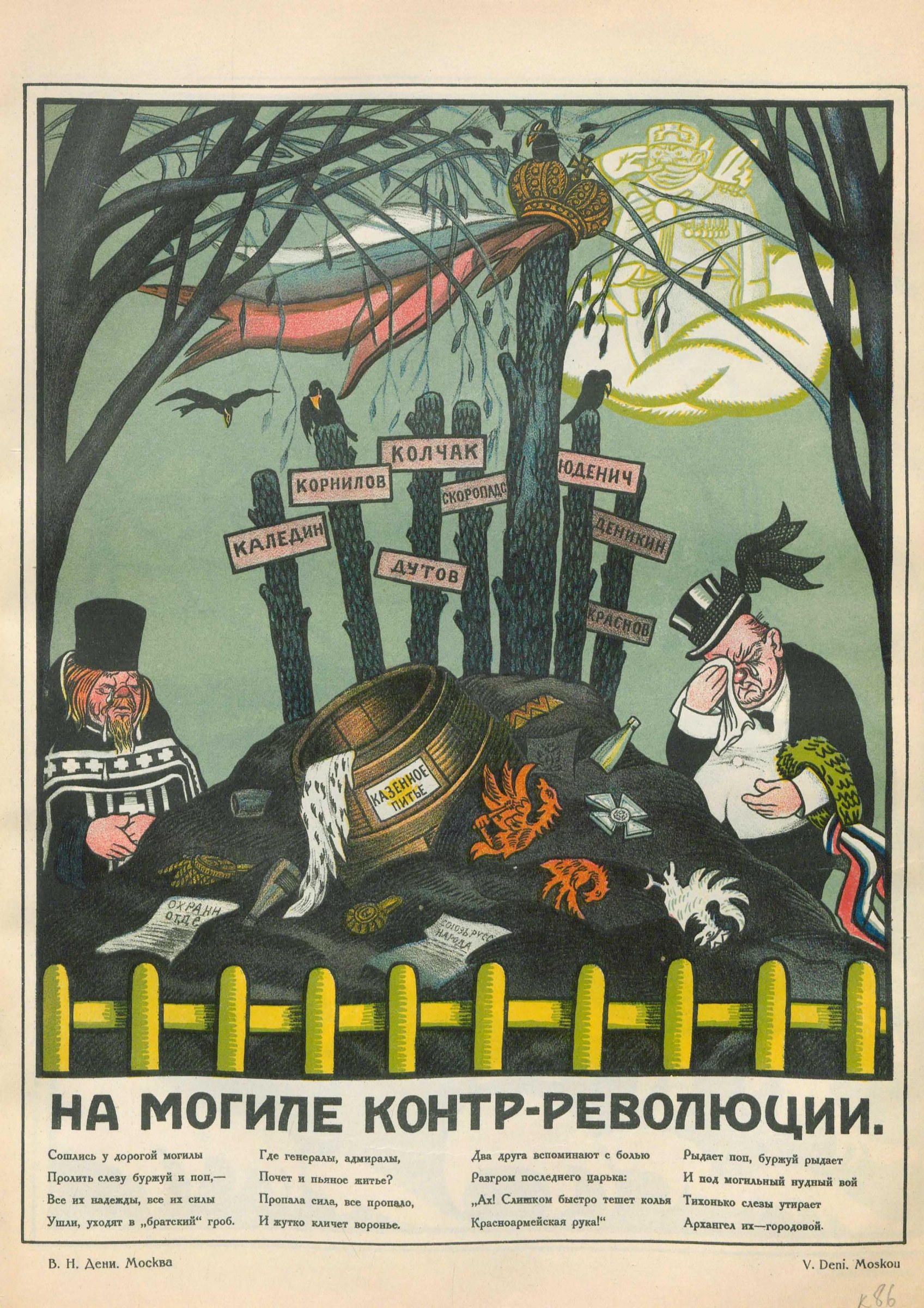 At the grave of the counter-revolution
Soviet Union · 1920 · 4 techniques annotated
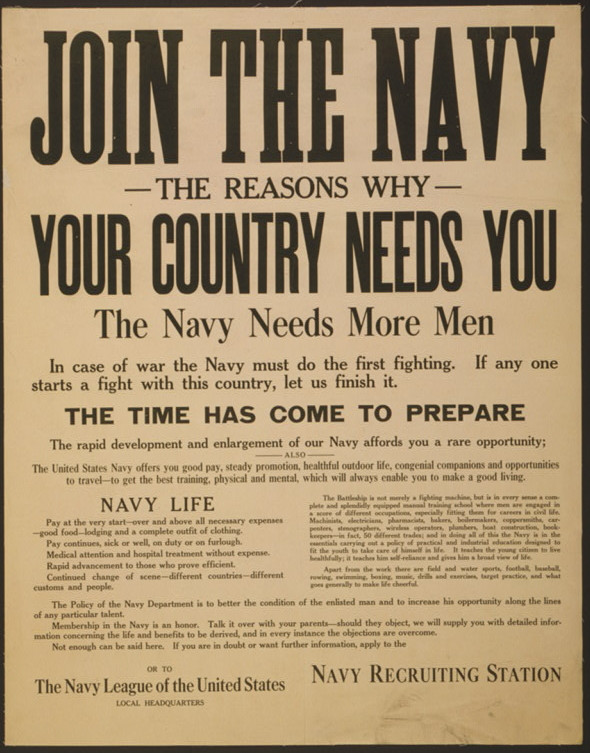 Join the Navy, your country needs you
United States · 1917 · 4 techniques annotated
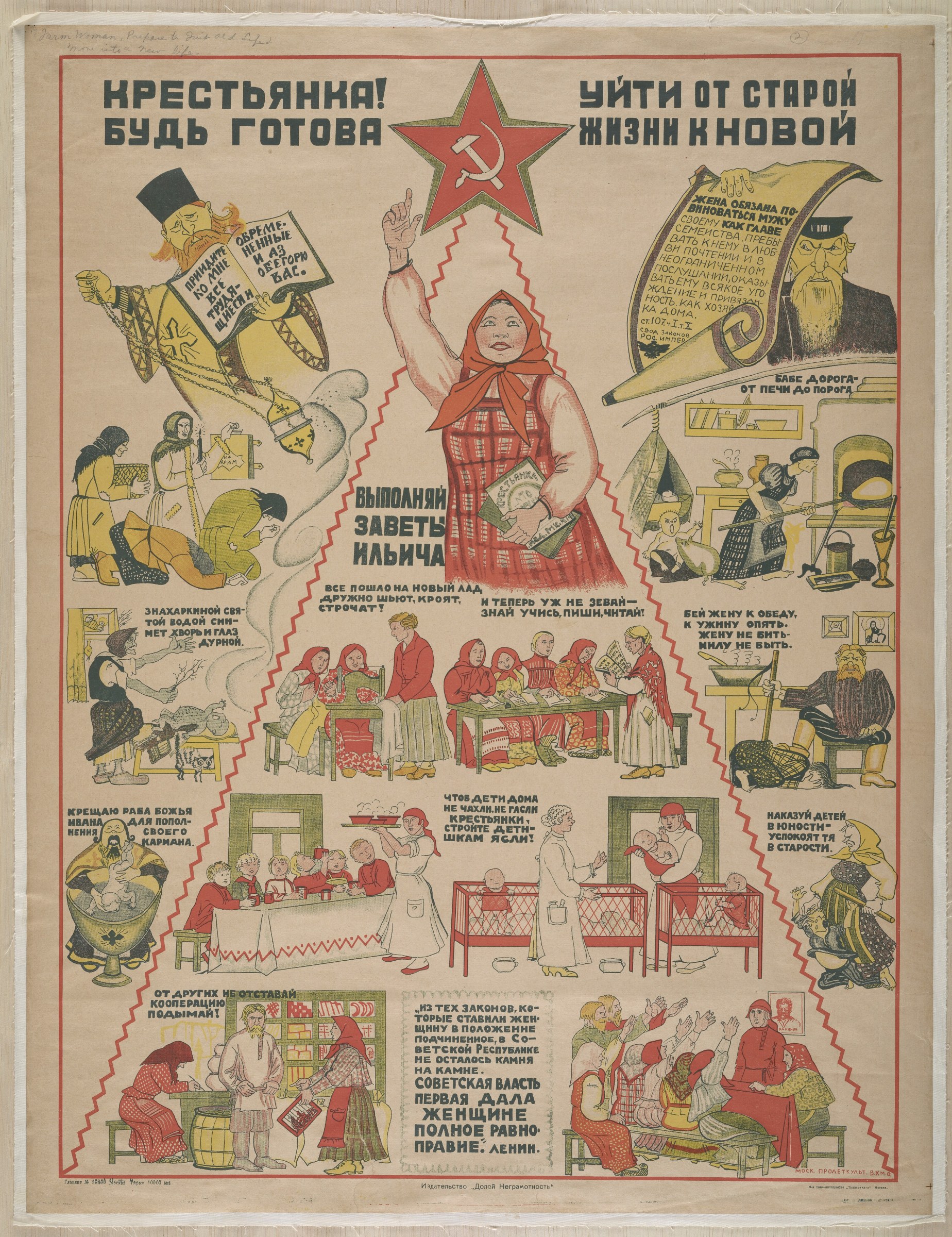 Peasant woman! Be ready to leave the old life for the new
Soviet Union · 1925 · 5 techniques annotated
Take a product review or a campaign leaflet and list every fact it gives. Then list three facts a reader would want that it does not give. Were the missing ones hard to find?
In the wild
Short examples of the technique at work, each with what to notice. The same examples are questions in the quiz, where the answer is not given away.
"Our new plan cut wait times at three clinics by 40 percent." The report does not mention the other twelve clinics.
What to notice. True for three, silent on twelve. The selection makes the case; the omission hides the rest.
"Nine out of ten dentists recommend it." The survey let each dentist name as many brands as they liked.
What to notice. The number is real; the question that produced it is left out, and the question changes the meaning.
A leaflet quotes a scientist saying the treatment "shows real promise." The full sentence continued "in mice, and has not been tested in humans."
What to notice. Quoting out of context is card stacking applied to a single sentence.
Sources
- Institute for Propaganda Analysis. "How to Detect Propaganda." Propaganda Analysis 1, no. 2 (November 1937).
- Lee, Alfred McClung, and Elizabeth Briant Lee. The Fine Art of Propaganda. New York: Harcourt, Brace, 1939.
- Brandt, Allan M. The Cigarette Century. New York: Basic Books, 2007. ISBN 978-0465070473
- Oreskes, Naomi, and Erik M. Conway. Merchants of Doubt. New York: Bloomsbury, 2010. ISBN 978-1596916104
- Advertising Standards Authority (UK). Adjudication on Colgate-Palmolive (UK) Ltd, 17 January 2007.