Staged photography
Arranging a scene and photographing it as if it had been found, so that the camera's reputation for recording what happened lends truth to what was made to happen.
A painting is understood to be the painter's idea; a photograph is understood to be the world. The device exploits the gap. If a flag is raised a second time for the camera, cannonballs moved onto the road, or a crowd positioned where the lens will fill with it, the viewer still sees evidence, and evidence does not argue. The modern photo opportunity is the same device with a press office: the event exists to be photographed, and the photograph is reported as the event.
Staging is not always a lie about what happened; it is a claim about how it looked, made in a medium the audience trusts not to make claims. Exploits Availability Heuristic and Anchoring.
Historical examples
Roger Fenton's "The Valley of the Shadow of Death," the earliest famous war photograph, exists in two versions: one with cannonballs in the ditch and one with them scattered across the road. Errol Morris's examination of the plates established that the road version was taken second, after the balls were moved into the frame.
Morris, Errol. Believing Is Seeing: Observations on the Mysteries of Photography. New York: Penguin, 2011.
Yevgeny Khaldei's photograph of a Soviet soldier raising the flag over the Reichstag was taken on 2 May, after the fighting, with a flag Khaldei had brought from Moscow and soldiers he chose; before publication the editors retouched a second wristwatch off the soldier's arm, which suggested looting, and added smoke to the sky.
King, David. The Commissar Vanishes: The Falsification of Photographs and Art in Stalin's Russia. New York: Metropolitan Books, 1997; Nakhimovsky, Alice, and Alexander Nakhimovsky, eds. Witness to History: The Photographs of Yevgeny Khaldei. New York: Aperture, 1997.
In advertising and commerce
"Lunch atop a Skyscraper," eleven ironworkers eating on a beam above Manhattan, was a publicity photograph arranged by the Rockefeller Center's promoters to advertise the building; the men were real workers posed for a stunt. It circulated for decades as a candid record of working life.
Corbis Images archive note on the Bettmann collection; "Men at Lunch," documentary, dir. Seán Ó Cualáin, 2012.
In the archive
Posters and advertisements annotated with this technique.
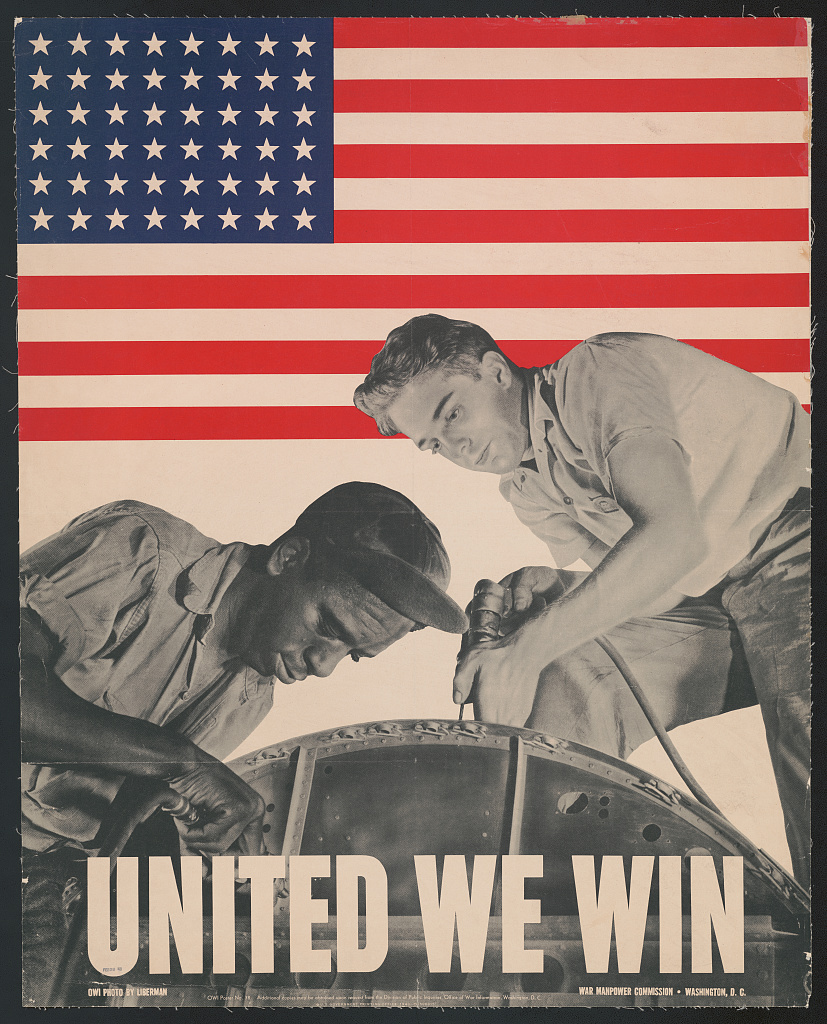
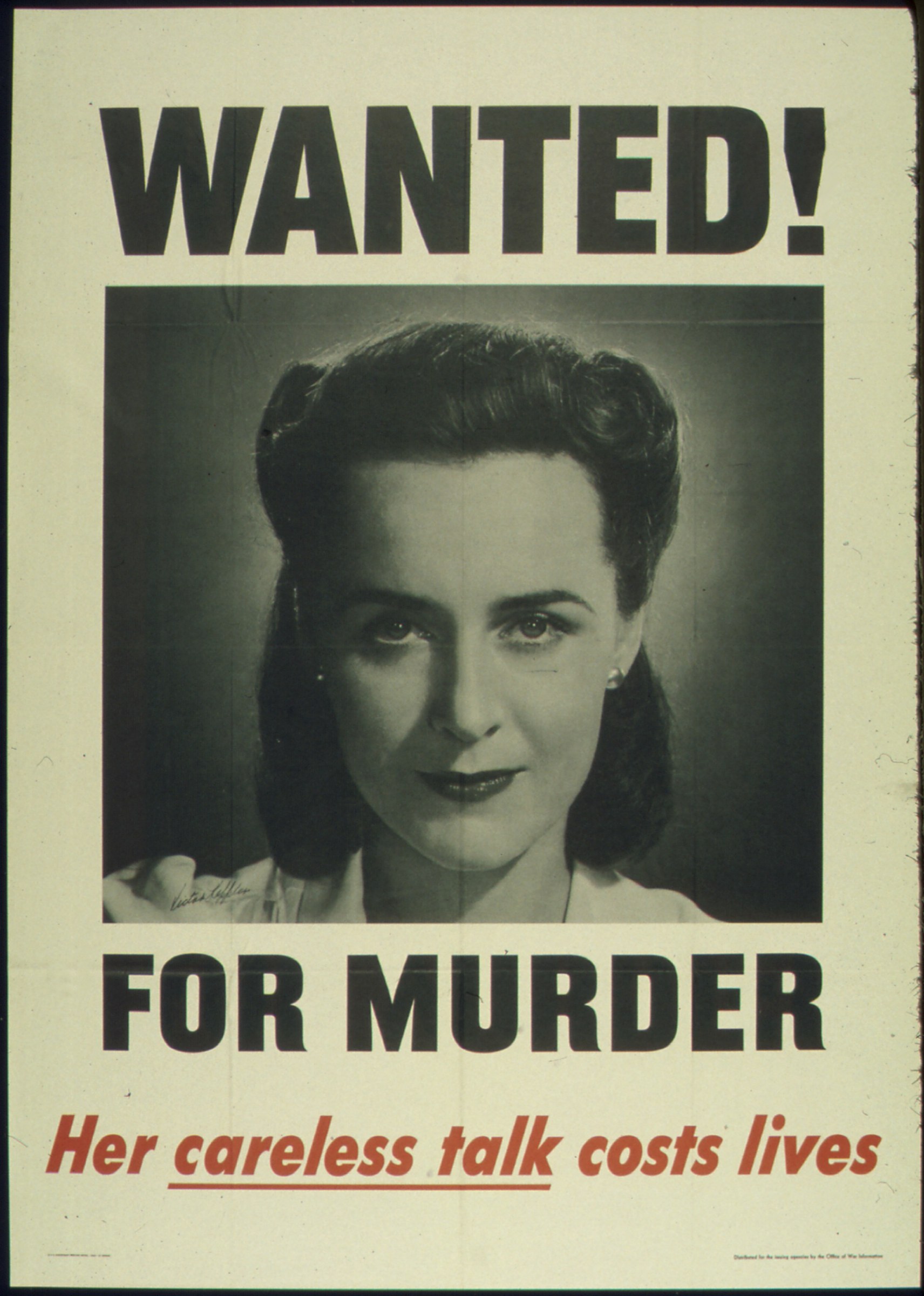
Find a photograph of a politician doing ordinary work. List everything that had to be arranged for the picture to exist.
In the wild
Short examples of the technique at work, each with what to notice. The same examples are questions in the quiz, where the answer is not given away.
A government releases a photograph of the minister in a hard hat on a building site, with workers arranged behind her and the project's banner in frame.
What to notice. The scene exists for the picture; the camera's reputation for finding things is lent to a thing that was arranged.
A charity appeal shows a child alone on a doorstep, lit from one side, looking down the lens.
What to notice. The lighting and the gaze are composed; the photograph is presented as found and reads as evidence.
A rally photograph shows a packed square, taken from the one point where the crowd fills the frame; other frames show it a third full.
What to notice. The crowd was placed and the camera positioned so that the picture would say "packed."
Sources
- Morris, Errol. Believing Is Seeing: Observations on the Mysteries of Photography. New York: Penguin Press, 2011. ISBN 978-1594203015
- Sontag, Susan. Regarding the Pain of Others. New York: Farrar, Straus and Giroux, 2003. ISBN 978-0374248581
- Brugioni, Dino A. Photo Fakery: The History and Techniques of Photographic Deception and Manipulation. Dulles, VA: Brassey's, 1999. ISBN 978-1574881660