Camera angle
Choosing where the camera stands so that the viewer looks up at the leader, down on the enemy, or out from inside the crowd, and takes the position for a judgment.
Looking up at a person is what a child does, and the feeling comes with the angle: a figure shot from below is taller, steadier, and harder to argue with, against the sky rather than among things. Looking down makes the subject small and the viewer superior. A camera inside the crowd makes the viewer a participant; a camera above it makes the crowd a pattern. None of this is said, and all of it is felt, which is the point.
The device is the photographic version of Heroic Scale, and cheaper: it needs a kneeling photographer rather than a sculptor. Exploits Halo Effect and Framing Effect.
Historical examples
In Triumph of the Will Hitler is filmed almost always from below, against the sky or the rally's eagle, and the crowds from above or from his podium; the cameramen worked from pits, cranes, and a lift built into a flagpole for the purpose. The film's grammar of angle was studied by Allied propagandists and by every political advertiser since.
Barsam, Richard Meran. Filmguide to Triumph of the Will. Bloomington: Indiana University Press, 1975; Kershaw, Ian. The "Hitler Myth." Oxford: Oxford University Press, 1987.
Alexander Rodchenko's "Pioneer with a Trumpet" and "Pioneer Girl" photographed children from below, chins lifted against the sky, the new citizen seen as a monument. The party press attacked the angle as formalist in 1928 and the regime later adopted it wholesale: the worker from below became the standard view of socialist realism.
Tupitsyn, Margarita. The Soviet Photograph, 1924–1937. New Haven: Yale University Press, 1996; Lavrentiev, Alexander. Alexander Rodchenko: Photography 1924–1954. Köln: Könemann, 1995.
In advertising and commerce
Pickup trucks and sport-utility vehicles are photographed and filmed from near ground level, wheels and grille looming, so that a vehicle the viewer could step into reads as a cliff. Paul Messaris's analysis of car advertising treats the low angle as the industry's standard argument for strength, made without a claim that could be tested.
Messaris, Paul. Visual Persuasion: The Role of Images in Advertising. Thousand Oaks, CA: Sage, 1997, ch. 1.
In the archive
Posters and advertisements annotated with this technique.
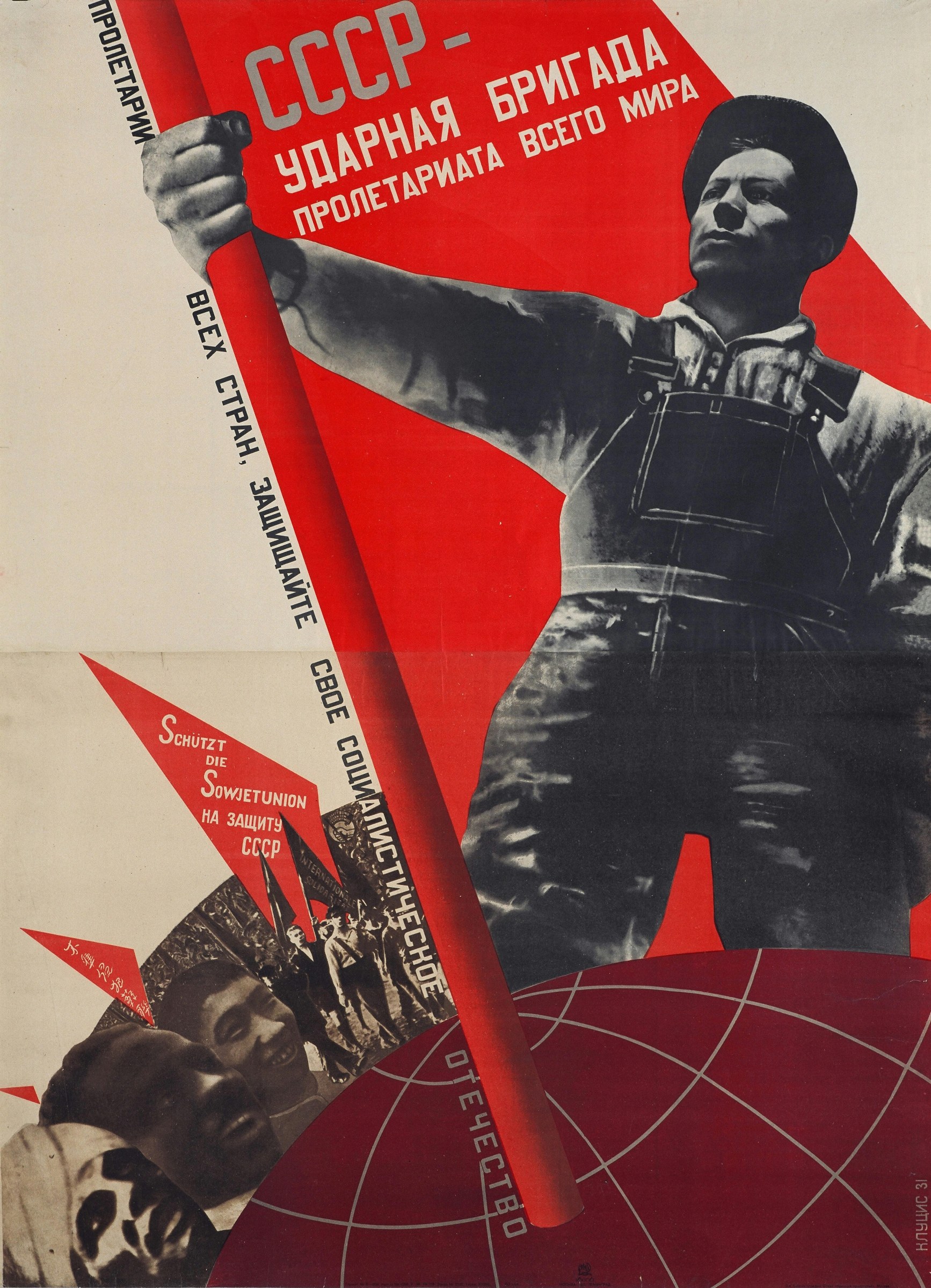
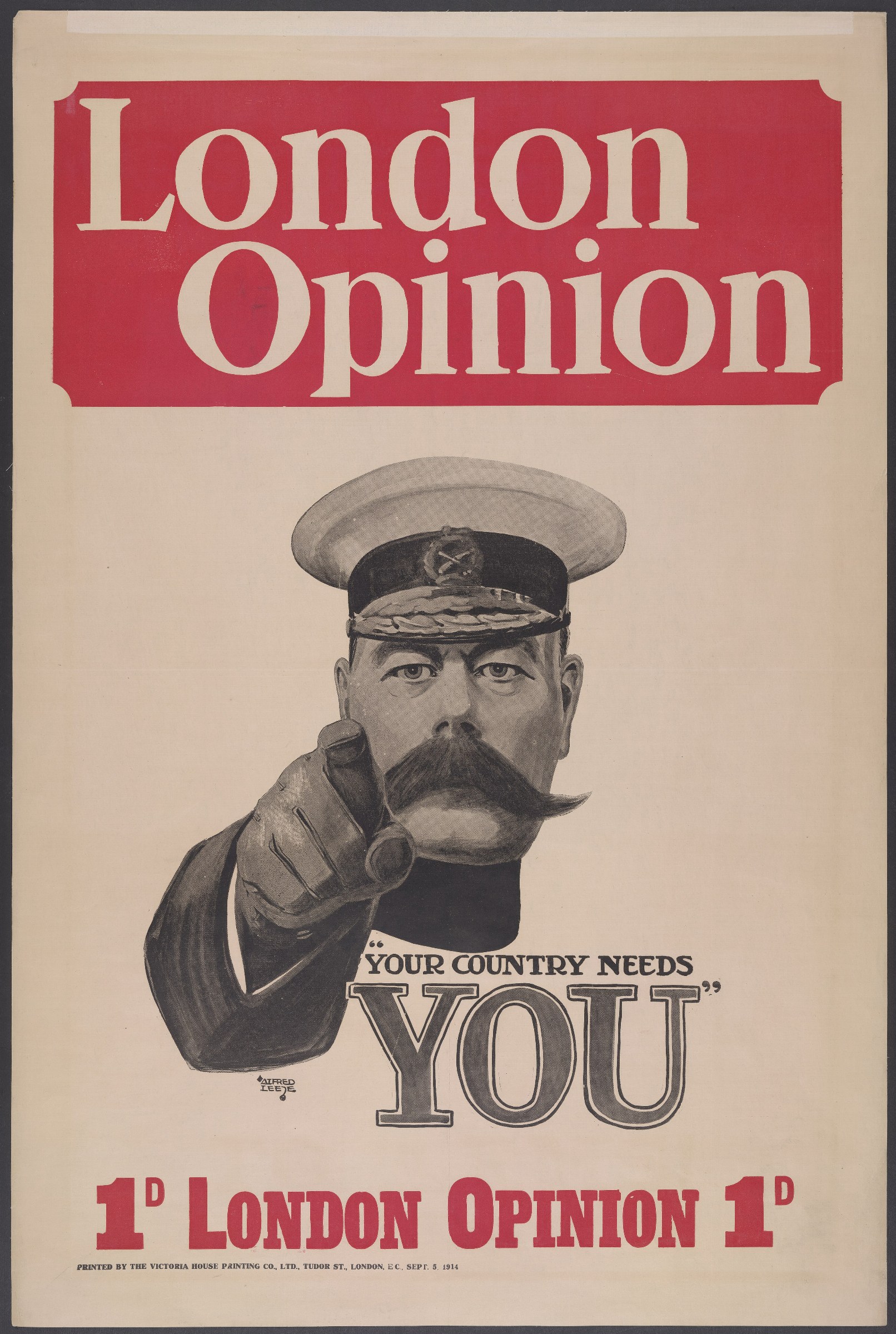
Find two photographs of the same politician, one from a supporter's outlet and one from an opponent's. Where was the camera in each, and what does the height say?
In the wild
Short examples of the technique at work, each with what to notice. The same examples are questions in the quiz, where the answer is not given away.
A campaign's photographs always show its candidate from below the stage, against the sky, and its opponent from a balcony, small among aides.
What to notice. The two camera heights are the two judgments; no sentence makes either.
A documentary films the striking workers from the police line, so that the viewer faces the crowd rather than standing in it.
What to notice. The camera's position gives the viewer a side. The angle is the editorial.
A truck advertisement is shot from the road surface, the grille filling the frame and the sky behind it.
What to notice. A low camera makes the vehicle a monument. Strength is implied by angle, not claimed.
Sources
- Messaris, Paul. Visual Persuasion: The Role of Images in Advertising. Thousand Oaks, CA: Sage, 1997. ISBN 978-0803972469
- Barsam, Richard Meran. Filmguide to Triumph of the Will. Bloomington: Indiana University Press, 1975. ISBN 978-0253393227
- Kress, Gunther, and Theo van Leeuwen. Reading Images: The Grammar of Visual Design. 2nd ed. London: Routledge, 2006. ISBN 978-0415319157