Plain folks
Presenting a speaker or a product as ordinary, humble, and "of the people," so that the audience trusts it as one of their own rather than judging it on its merits.
Trust travels along likeness. We assume that someone who looks, talks, and eats as we do wants what we want, and the plain-folks device manufactures that likeness on purpose: the rolled sleeves, the diner, the regional accent kept for the campaign, the home-cooked language in a product that comes from a factory. The audience is invited to stop asking "is this good?" and start asking "is this person like me?", which is a much easier question with a much less useful answer.
The Institute for Propaganda Analysis noted that the device works best on audiences that distrust elites, because it lets an elite speaker borrow the standing of the crowd. Exploits In Group Favoritism and Similarity Bias.
Historical examples
William Henry Harrison, a wealthy Virginian planter's son, was recast by his supporters as a log-cabin-dwelling, hard-cider-drinking frontiersman after a Democratic newspaper's jibe to that effect. The "log cabin and hard cider" campaign built parade floats shaped like cabins and handed out cider by the barrel. The image had nothing to do with Harrison's policies and everything to do with likeness to the voter.
Gunderson, Robert Gray. The Log-Cabin Campaign. Lexington: University of Kentucky Press, 1957.
Franklin Roosevelt's fireside chats addressed the country as "my friends" in plain language from what was staged as a living room, and the Institute for Propaganda Analysis cited the chats as the period's clearest example of plain-folks technique used by a patrician. The device is not confined to bad causes; it is a way of being believed, whatever is said.
Institute for Propaganda Analysis. "How to Detect Propaganda." Propaganda Analysis 1, no. 2 (November 1937); Roosevelt, Franklin D. "Fireside Chat on Banking," 12 March 1933, The American Presidency Project, UC Santa Barbara. Source
In advertising and commerce
"Home-style," "like grandma made," "from our family to yours," and the kitchen-table setting recur in the advertising of mass-produced food. The likeness is to the buyer's own kitchen; the product comes from a production line the advertisement never shows.
Pratkanis, Anthony, and Elliot Aronson. Age of Propaganda. Rev. ed. New York: W. H. Freeman, 2001, on source similarity and "the plain folks appeal."
In the archive
Posters and advertisements annotated with this technique.
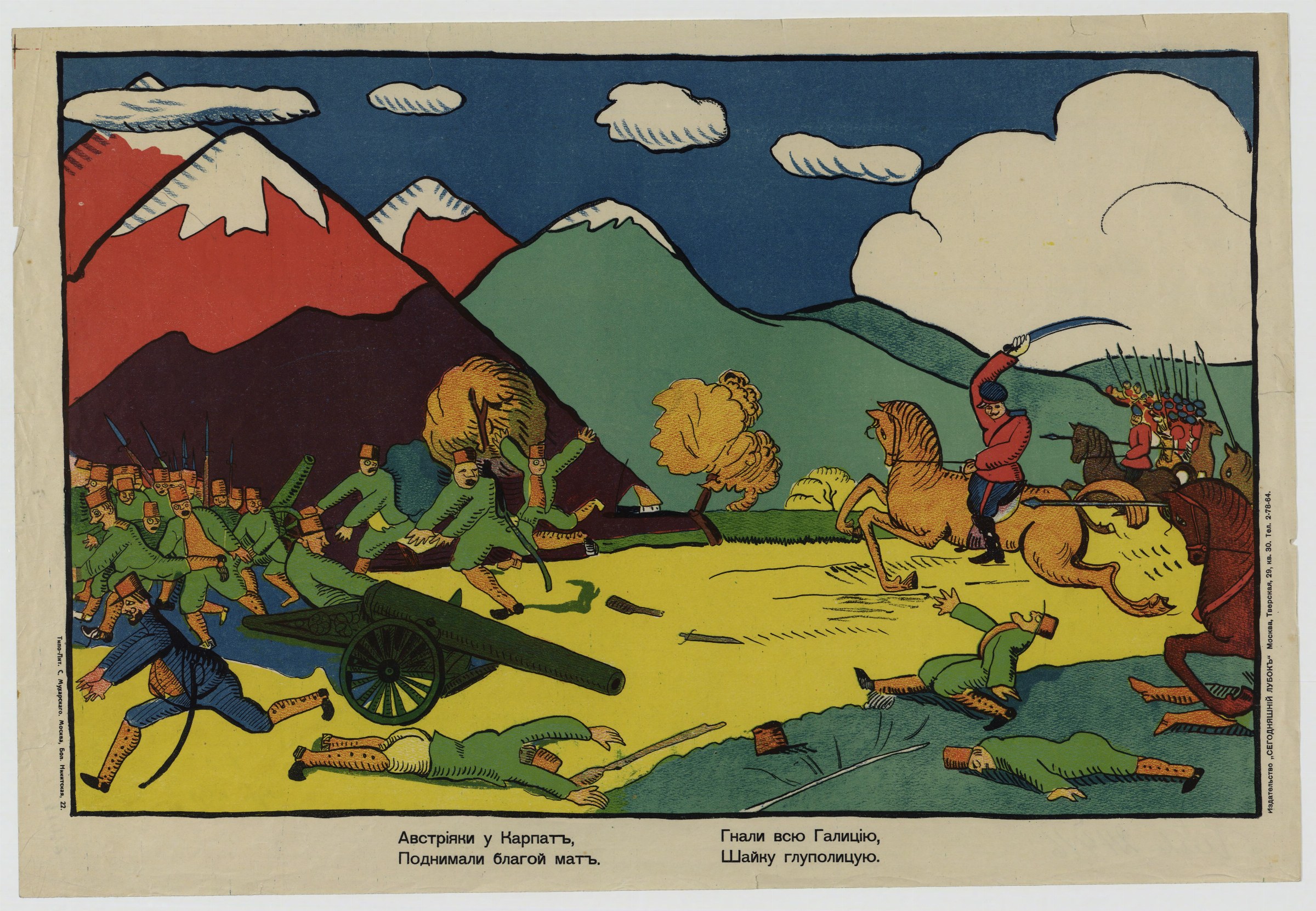 The Austrians cursed loudly near the Carpathian Mountains
Russia · 1914 · 4 techniques annotated
 Dig on for victory
United Kingdom · 1941 · 4 techniques annotated
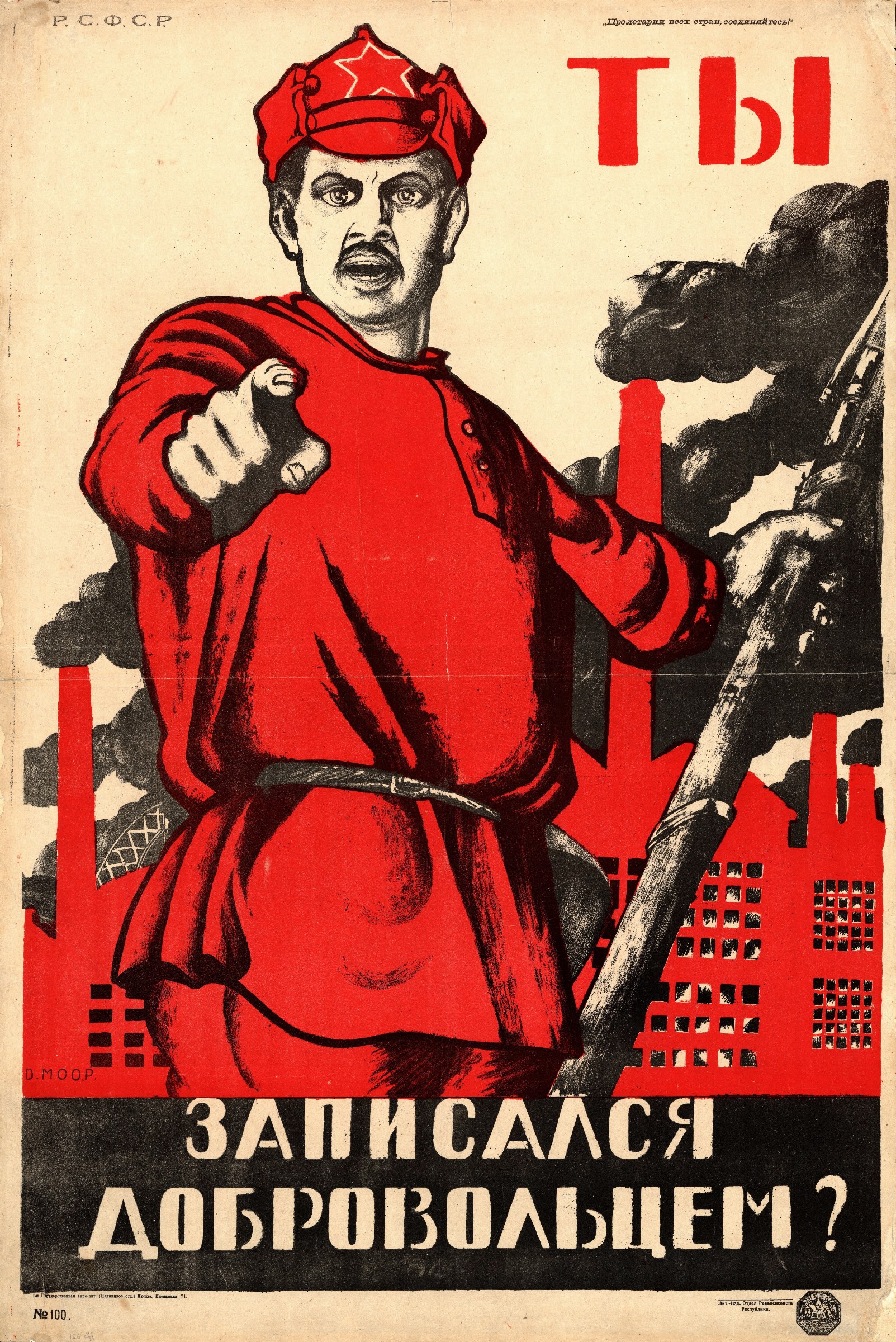 Have you volunteered?
Soviet Union · 1920 · 5 techniques annotated
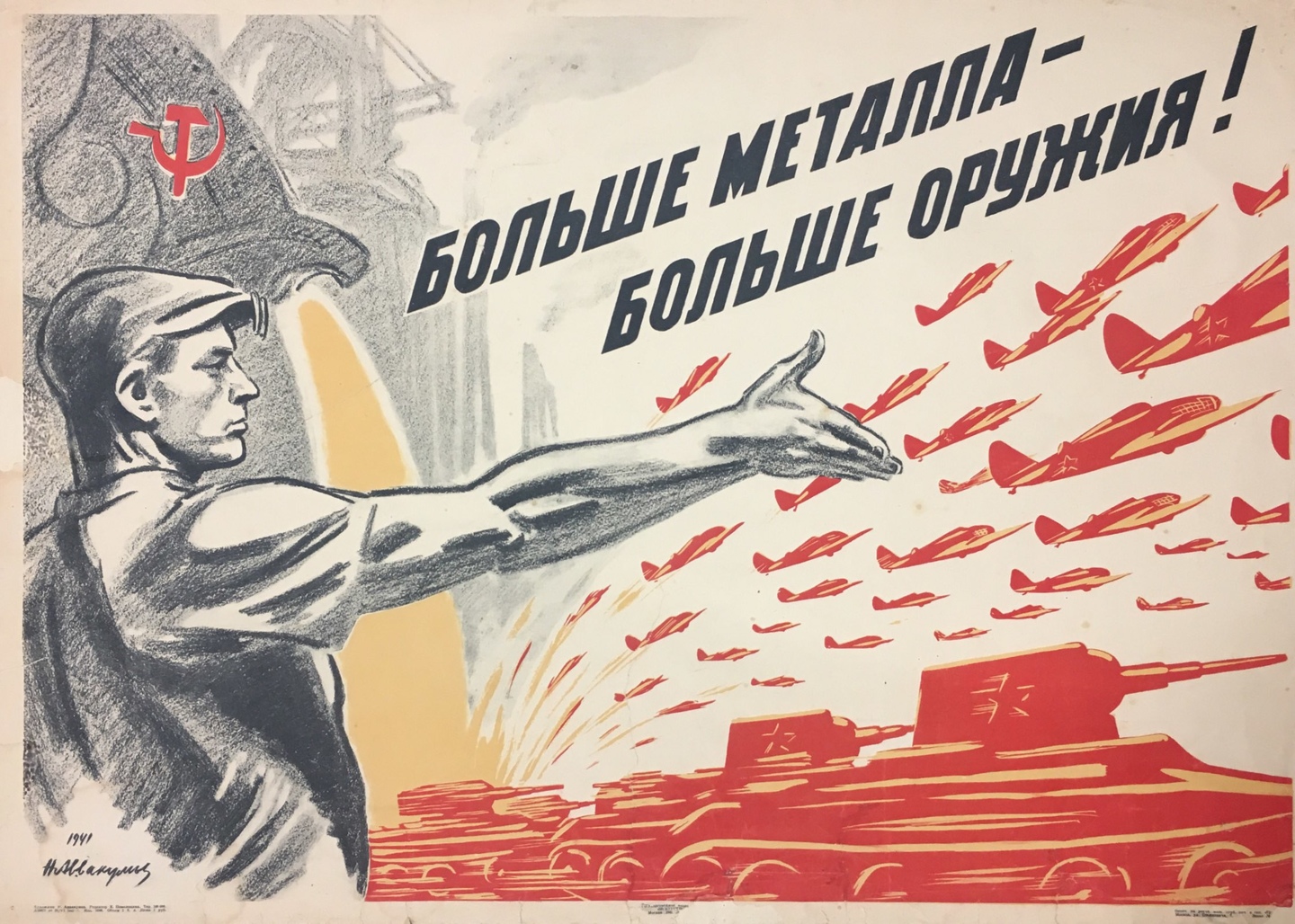 More metal, more weapons!
Soviet Union · 1941 · 4 techniques annotated
Find a politician or brand presenting itself as "one of us." List what it shows you about itself and what it doesn't. Which list is longer?
In the wild
Short examples of the technique at work, each with what to notice. The same examples are questions in the quiz, where the answer is not given away.
"I wasn't born into money. I drove a truck for eleven years. I know what a hard week feels like. Vote for me."
What to notice. Every sentence establishes likeness to the voter; none says what the candidate would do.
A software company's advertisement opens on a family kitchen and the line "Made by people like you, for people like you."
What to notice. The product is presented as ordinary and homegrown; "people like you" is the plain-folks signature.
A hedge fund's report begins: "We're a small shop. We started at a kitchen table, and we still think like one."
What to notice. Staged ordinariness in a context that is not ordinary. The "kitchen table" asks for trust by likeness.
Sources
- Institute for Propaganda Analysis. "How to Detect Propaganda." Propaganda Analysis 1, no. 2 (November 1937).
- Gunderson, Robert Gray. The Log-Cabin Campaign. Lexington: University of Kentucky Press, 1957.
- Lee, Alfred McClung, and Elizabeth Briant Lee. The Fine Art of Propaganda. New York: Harcourt, Brace, 1939.
- Pratkanis, Anthony, and Elliot Aronson. Age of Propaganda. Rev. ed. New York: W. H. Freeman, 2001. ISBN 978-0805074031