Techniques · Family
Classic propaganda techniques
The seven techniques named by the Institute for Propaganda Analysis in 1937.
- Bandwagon Urging the audience to adopt a belief or a product because everyone else already has, so that the fear of being left out replaces a judgment of the thing itself. 9 in the archive
- Card stacking Presenting only the facts, figures, and quotations that favor one side, and leaving out everything that doesn't, so that a true selection produces a false impression. 7 in the archive
- Glittering generalities Attaching an idea to words that sound like values, such as freedom, progress, or family, so that the audience approves of it without asking what it actually proposes. 8 in the archive
- Name-calling Attaching a hostile label to a person, group, or idea so that the audience rejects it without examining the evidence. 6 in the archive
- Plain folks Presenting a speaker or a product as ordinary, humble, and "of the people," so that the audience trusts it as one of their own rather than judging it on its merits. 6 in the archive
- Testimonial Having a respected or admired person endorse an idea, product, or candidate, so that the audience's regard for the person stands in for a judgment of the thing endorsed.
- Transfer Carrying the authority, prestige, or emotional charge of one thing over to another by placing them together, so that a flag, a cross, or a uniform lends its standing to a product or a policy. 14 in the archive
In the archive
Posters and advertisements annotated with techniques from this family.
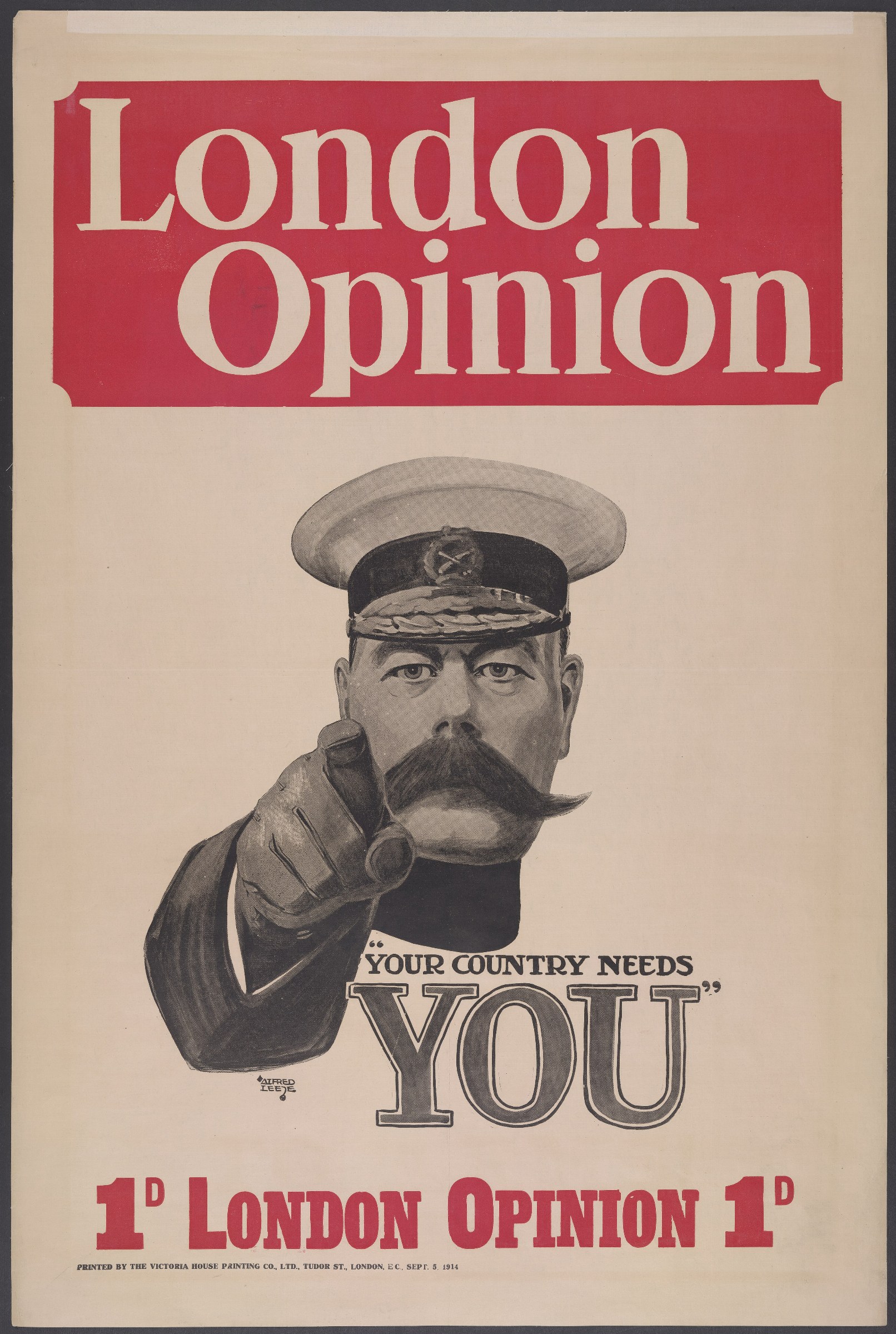 Your country needs you
United Kingdom · 1914 · 5 techniques annotated
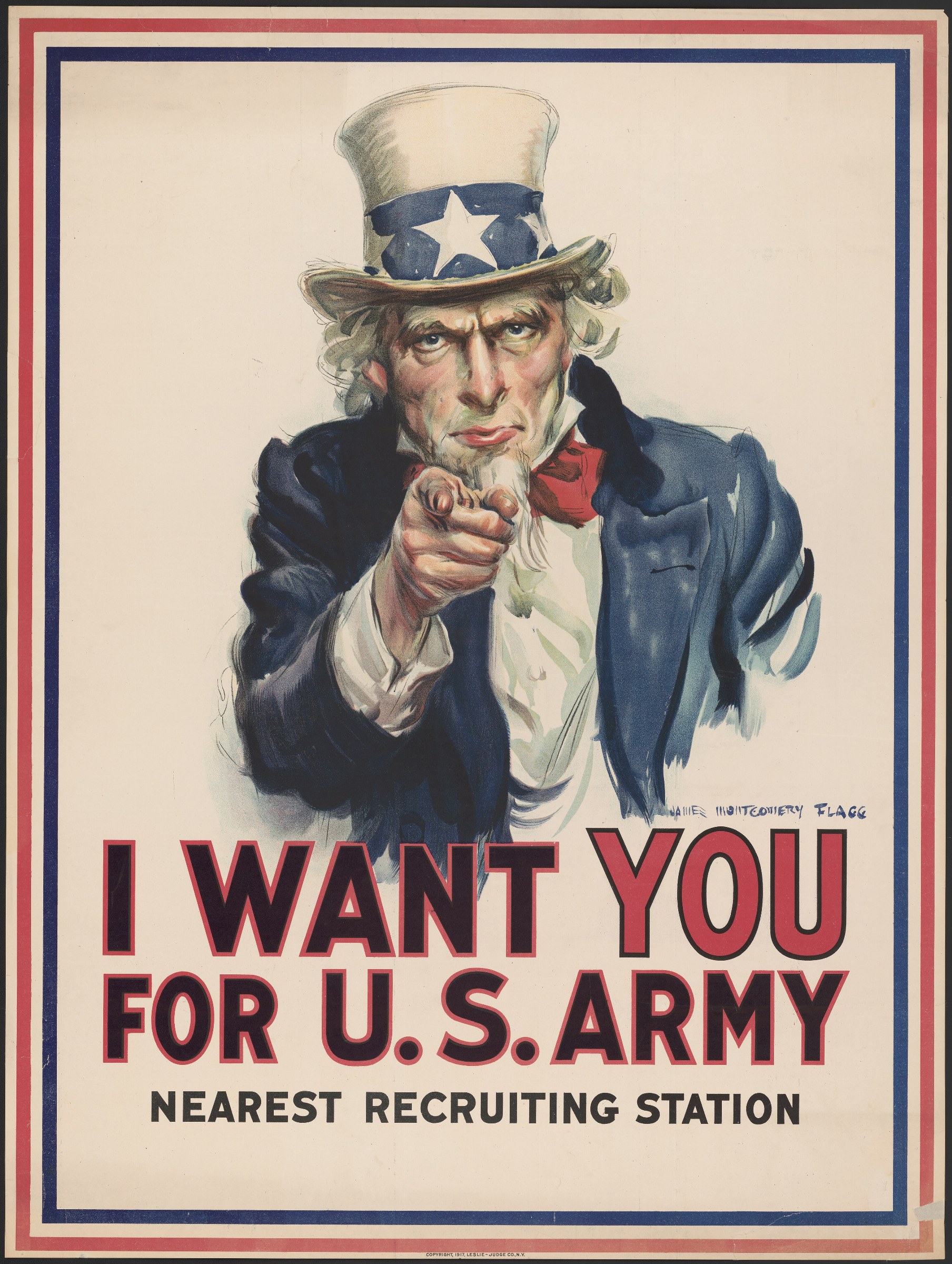 I want YOU for U.S. Army
United States · 1917 · 4 techniques annotated
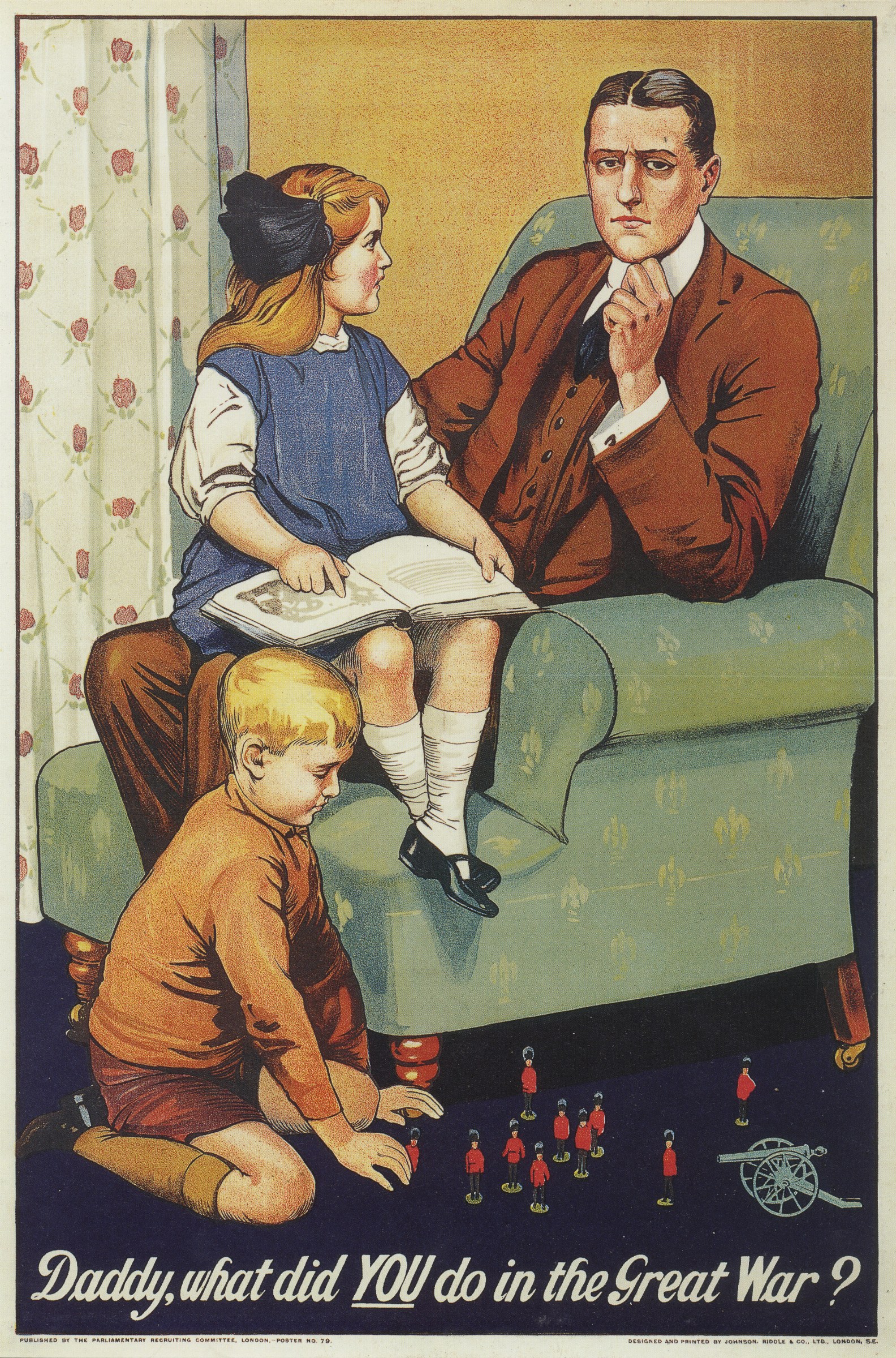 Daddy, what did YOU do in the Great War?
United Kingdom · 1915 · 3 techniques annotated
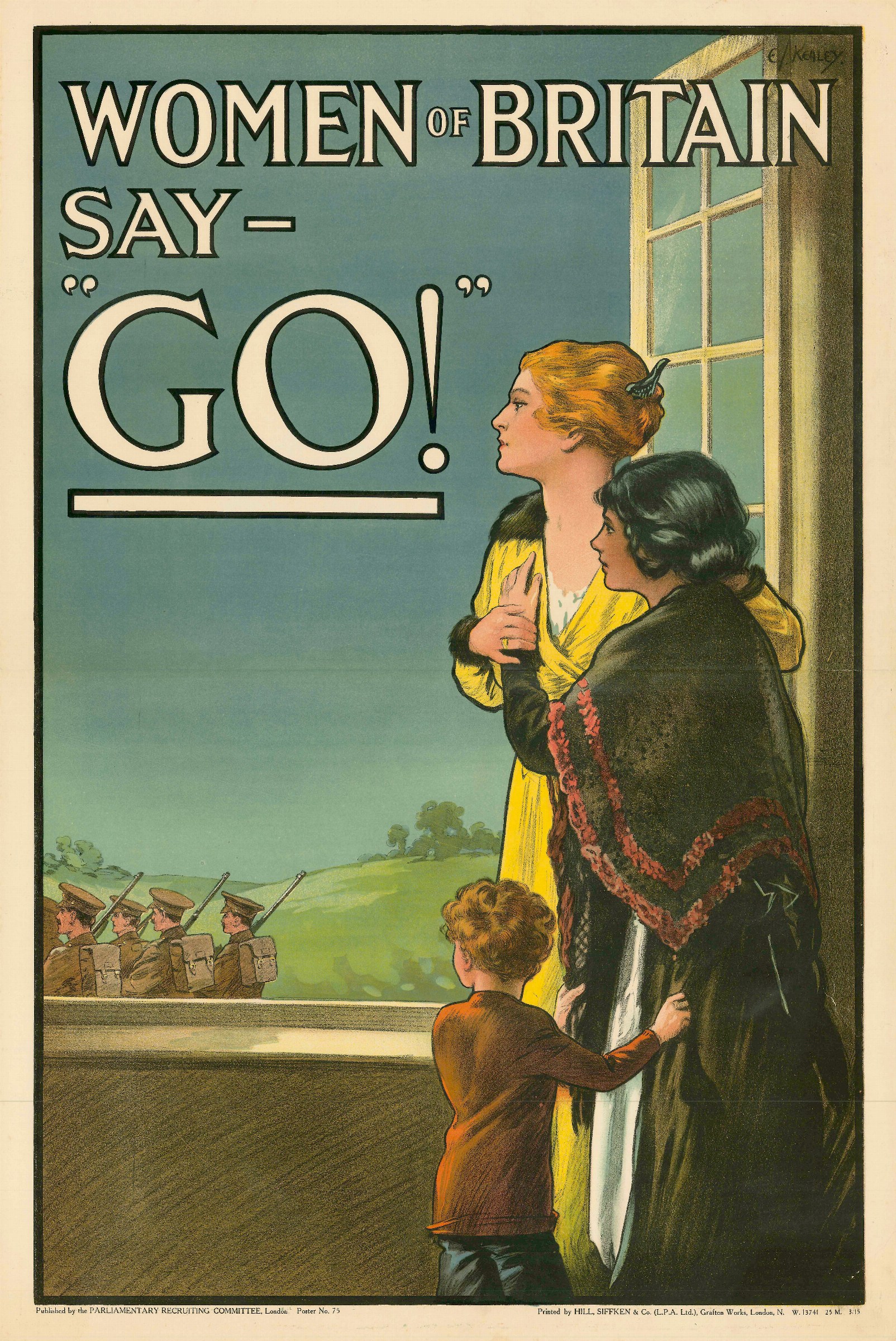 Women of Britain say "Go!"
United Kingdom · 1915 · 4 techniques annotated
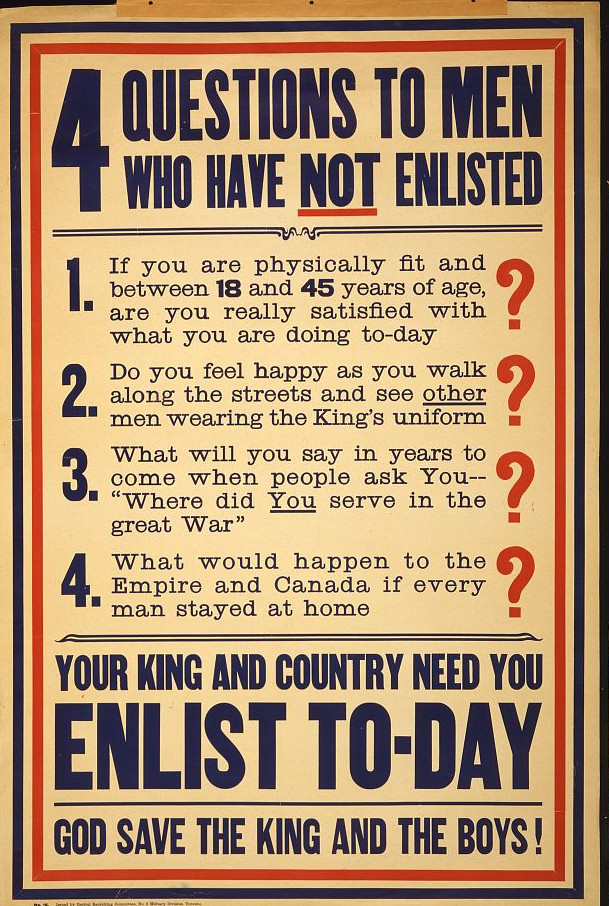 4 questions to men who have not enlisted
Canada · 1915 · 5 techniques annotated
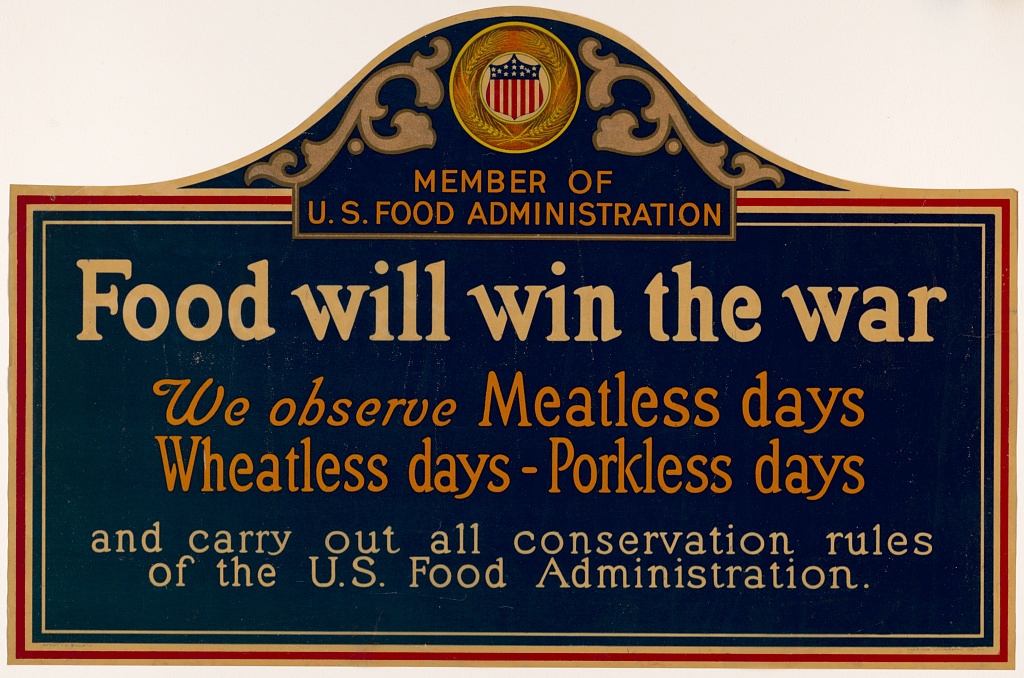 Food will win the war
United States · 1917 · 3 techniques annotated