Euphemism
Replacing a blunt or unpleasant word with a mild or technical one, so that the audience is spared the reaction the plain word would produce.
A euphemism does not lie; it lowers the volume. "Collateral damage" and "dead civilians" refer to the same people, but one can be said in a briefing without anyone flinching. The device works by putting distance between the word and the thing: Latin instead of English, abstraction instead of image, process instead of act. The audience hears the words, does not picture the thing, and does not react.
Orwell's example was "pacification" for the burning of villages; the Vietnam era produced "protective reaction strike"; the corporate world produced "downsizing" and "rightsizing." Euphemism is the mirror image of dysphemism, and a speaker who uses one for their own side will usually use the other for the opponent. Exploits Affect Heuristic and Framing Effect.
Historical examples
The extermination of European Jews was conducted under a vocabulary designed to be said without saying it: "final solution," "special treatment," "resettlement in the East," "evacuation." The words appear throughout the administrative record. Raul Hilberg's history traces how the bureaucratic language made participation possible for people who would not have carried out the acts under their own names.
Hilberg, Raul. The Destruction of the European Jews. Rev. ed. New York: Holmes & Meier, 1985; Klemperer, Victor. LTI: Lingua Tertii Imperii. Berlin: Aufbau, 1947.
U.S. military and official briefings in Vietnam produced a lexicon that later became a standard example: "protective reaction strike" for bombing, "pacification" for forced removal, "friendly fire," "collateral damage." Reporters coined "the Five O'Clock Follies" for the daily briefing where the words were issued.
Lutz, William. Doublespeak. New York: Harper & Row, 1989; Hallin, Daniel C. The "Uncensored War": The Media and Vietnam. New York: Oxford University Press, 1986.
In advertising and commerce
Layoffs became "downsizing," then "rightsizing," then "workforce optimization." Price rises became "adjustments." Waste dumps became "sanitary landfills." Lutz's Doublespeak cataloged the corporate genre in 1989, and the National Council of Teachers of English has given an annual Doublespeak Award since 1974 to the year's worst example.
Lutz, William. Doublespeak. New York: Harper & Row, 1989; National Council of Teachers of English, Doublespeak Award, 1974–present.
In the archive
Posters and advertisements annotated with this technique.
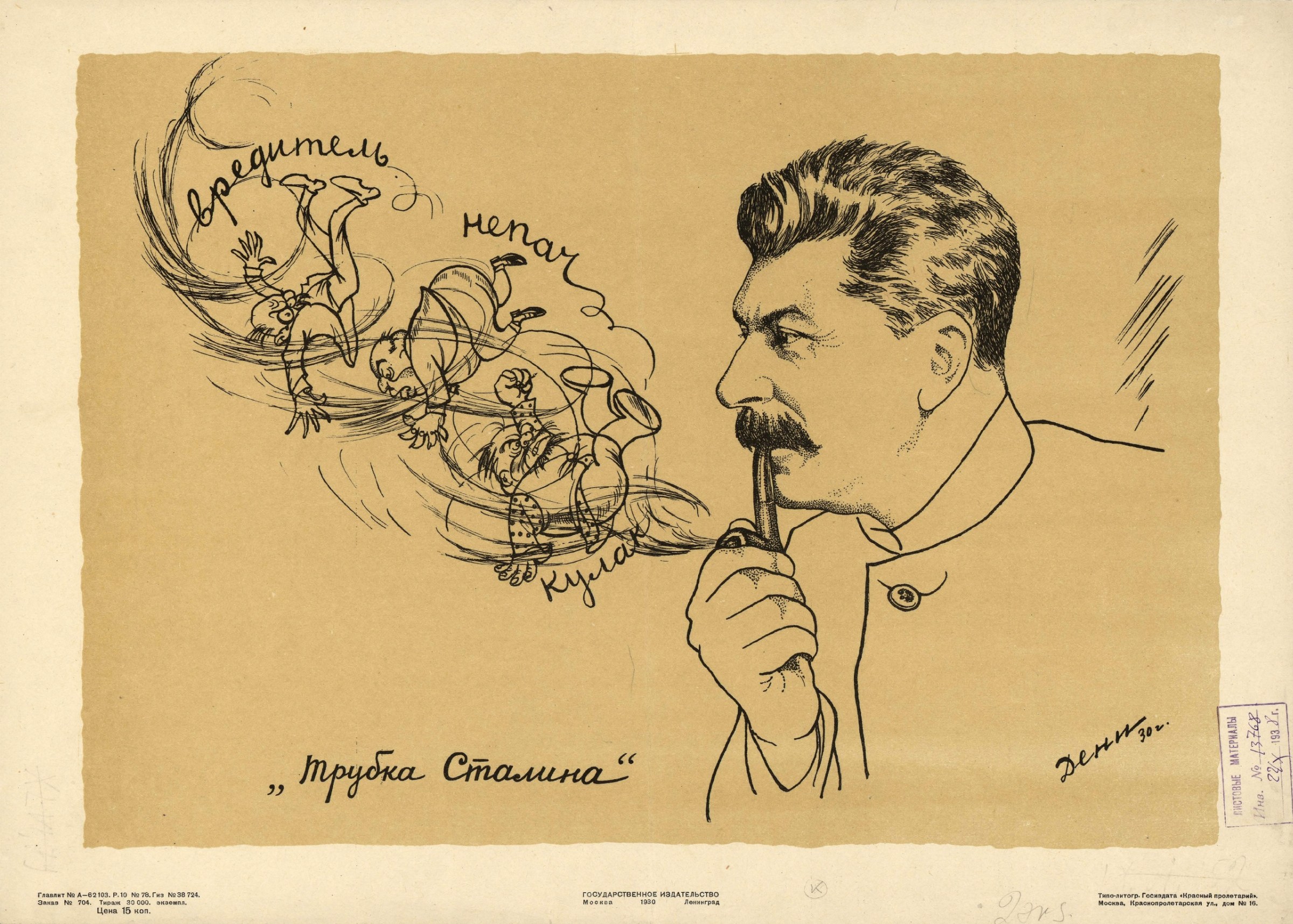
Find an official statement about something bad that happened. Rewrite it in the words a bystander would use. Which words had to change?
In the wild
Short examples of the technique at work, each with what to notice. The same examples are questions in the quiz, where the answer is not given away.
"The company is undertaking a strategic realignment of its human capital footprint."
What to notice. The plain word is layoffs. Every term in the sentence exists to avoid producing that image.
"During the operation, some non-combatant casualties were sustained in the target area."
What to notice. Civilians were killed. The passive voice and the technical nouns keep the reader from picturing it.
"The animal was humanely put to sleep after the incident."
What to notice. Two euphemisms in one sentence, for killing and for whatever the incident was.
Sources
- Orwell, George. "Politics and the English Language." Horizon 13, no. 76 (April 1946).
- Lutz, William. Doublespeak. New York: Harper & Row, 1989. ISBN 978-0060161347
- Allan, Keith, and Kate Burridge. Euphemism and Dysphemism: Language Used as Shield and Weapon. New York: Oxford University Press, 1991. ISBN 978-0195066227
- Hilberg, Raul. The Destruction of the European Jews. Rev. ed. New York: Holmes & Meier, 1985.