Loaded language
Choosing words that carry a strong feeling or judgment alongside their meaning, so that the audience absorbs the judgment while believing it has only received the facts.
Every word has a temperature. "Government spending" and "taxpayer money" describe the same sum; "estate tax" and "death tax" the same law; "a crowd" and "a mob" the same people. The device picks the temperature that suits the speaker and lets the audience mistake it for the weather. Because the loaded word is still, strictly, a description, the audience does not notice that it has also been handed a verdict.
S. I. Hayakawa distinguished reports, which can be verified, from judgments, which cannot, and showed how a single adjective smuggles the second into the first. Orwell's complaint was the same: political language is "designed to make lies sound truthful," and its first tool is the word that judges while it names. Exploits Framing Effect and Affect Heuristic.
Historical examples
Orwell's "Politics and the English Language" collected the loaded and the hollow vocabulary of its day, from "pacification" for bombing villages to the dead metaphors of party pamphlets, and argued that the words did the thinking for the reader. The essay is still the standard description of the device and its remedy: say what you mean in words that could be checked.
Orwell, George. "Politics and the English Language." Horizon 13, no. 76 (April 1946).
The Republican pollster Frank Luntz advised in memos that were later published that "estate tax" should be called "death tax," that "drilling for oil" should become "energy exploration," and that "global warming" should give way to the milder "climate change." The recommendations were adopted, and each substitution moved a policy's temperature without changing a fact about it.
Luntz, Frank. "The Environment: A Cleaner, Safer, Healthier America." Luntz Research Companies memorandum, 2002; Lakoff, George. Don't Think of an Elephant! White River Junction: Chelsea Green, 2004.
In advertising and commerce
"Pre-owned" for used, "genuine" for real, "premium" for expensive, "value" for cheap: retail vocabulary is a catalog of loaded substitutions, each chosen for temperature. The car trade's "pre-owned" is the textbook case, adopted industry-wide because "used" had gone cold.
Lutz, William. Doublespeak: From "Revenue Enhancement" to "Terminal Living." New York: Harper & Row, 1989.
In the archive
Posters and advertisements annotated with this technique.
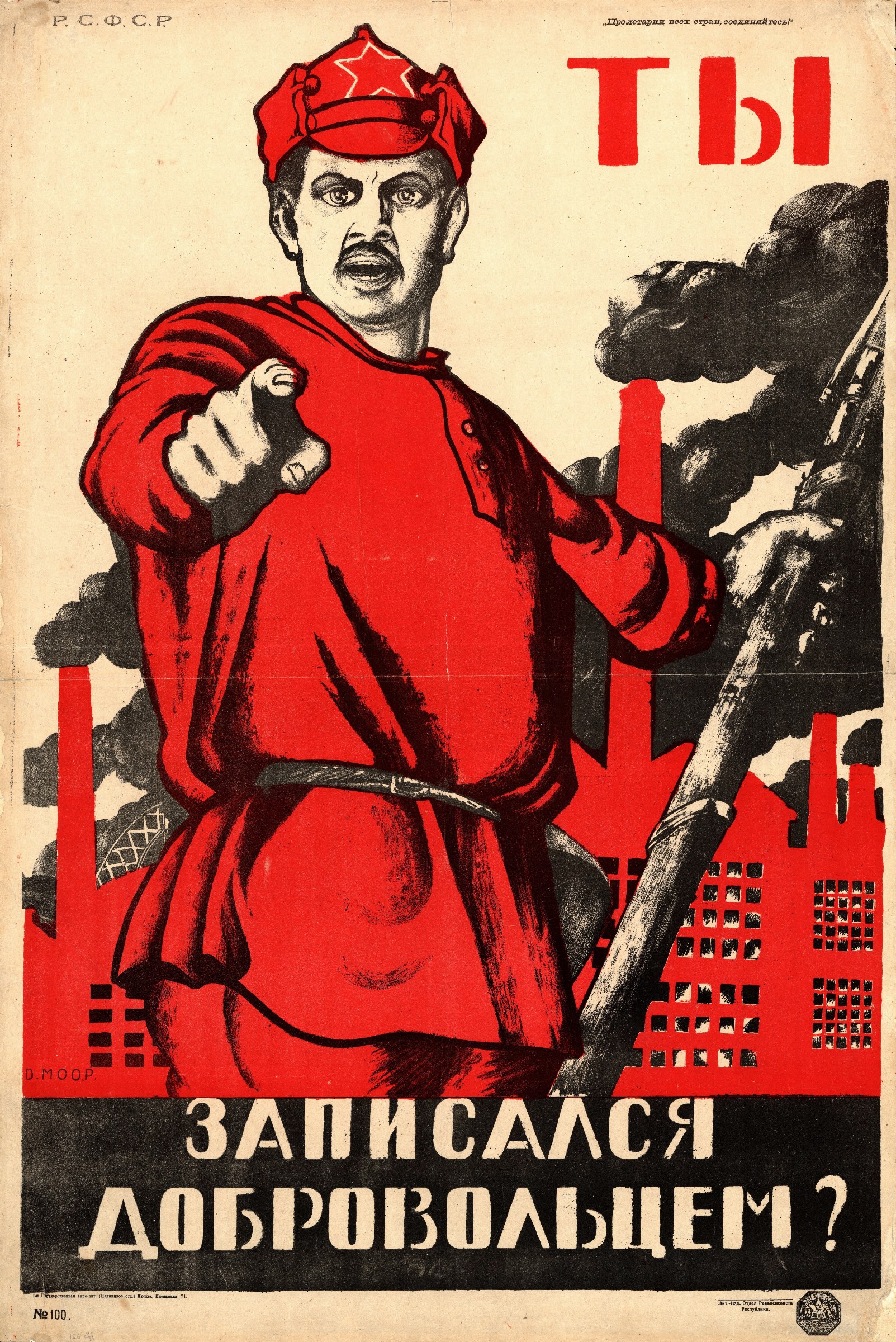
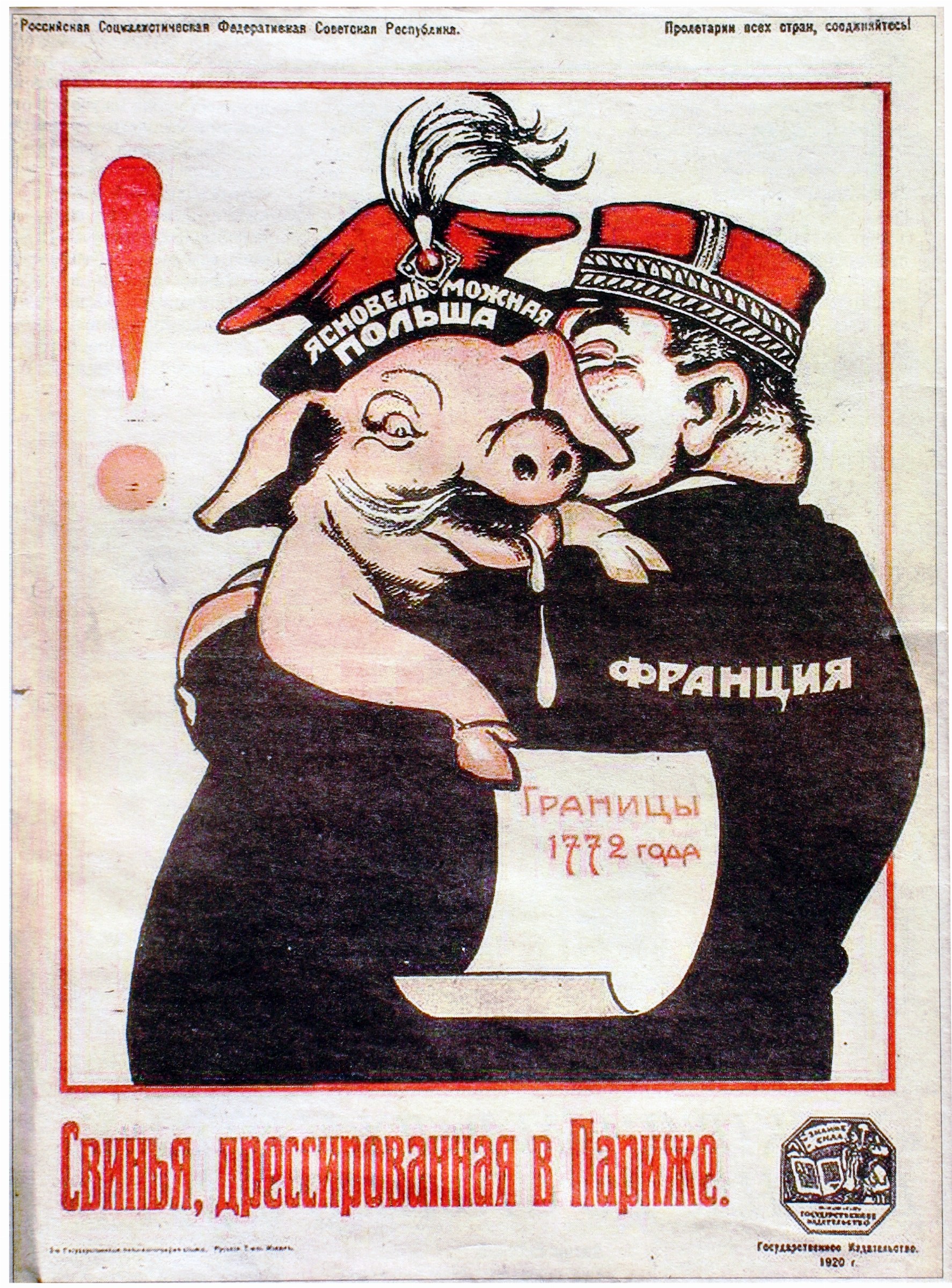
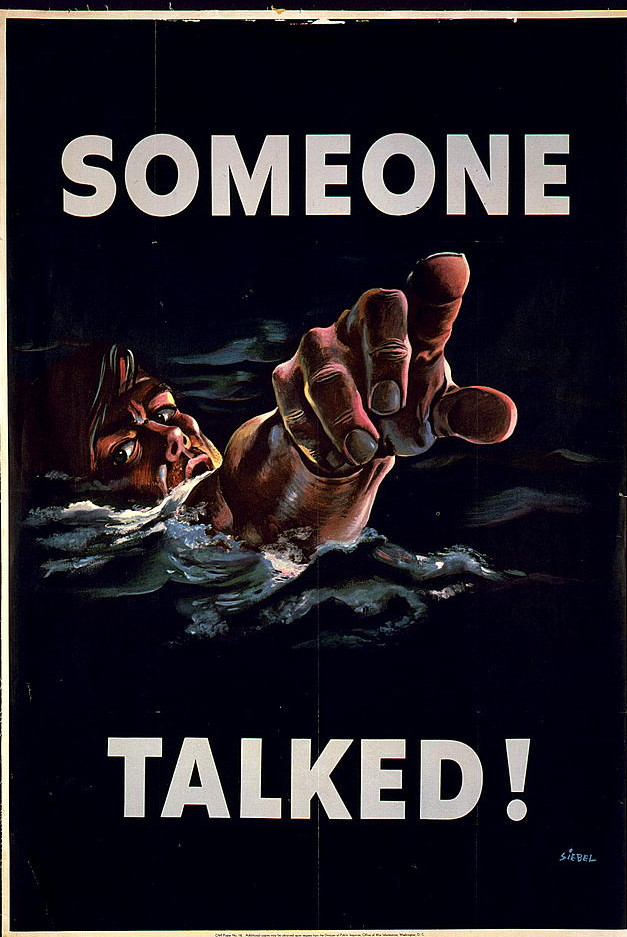
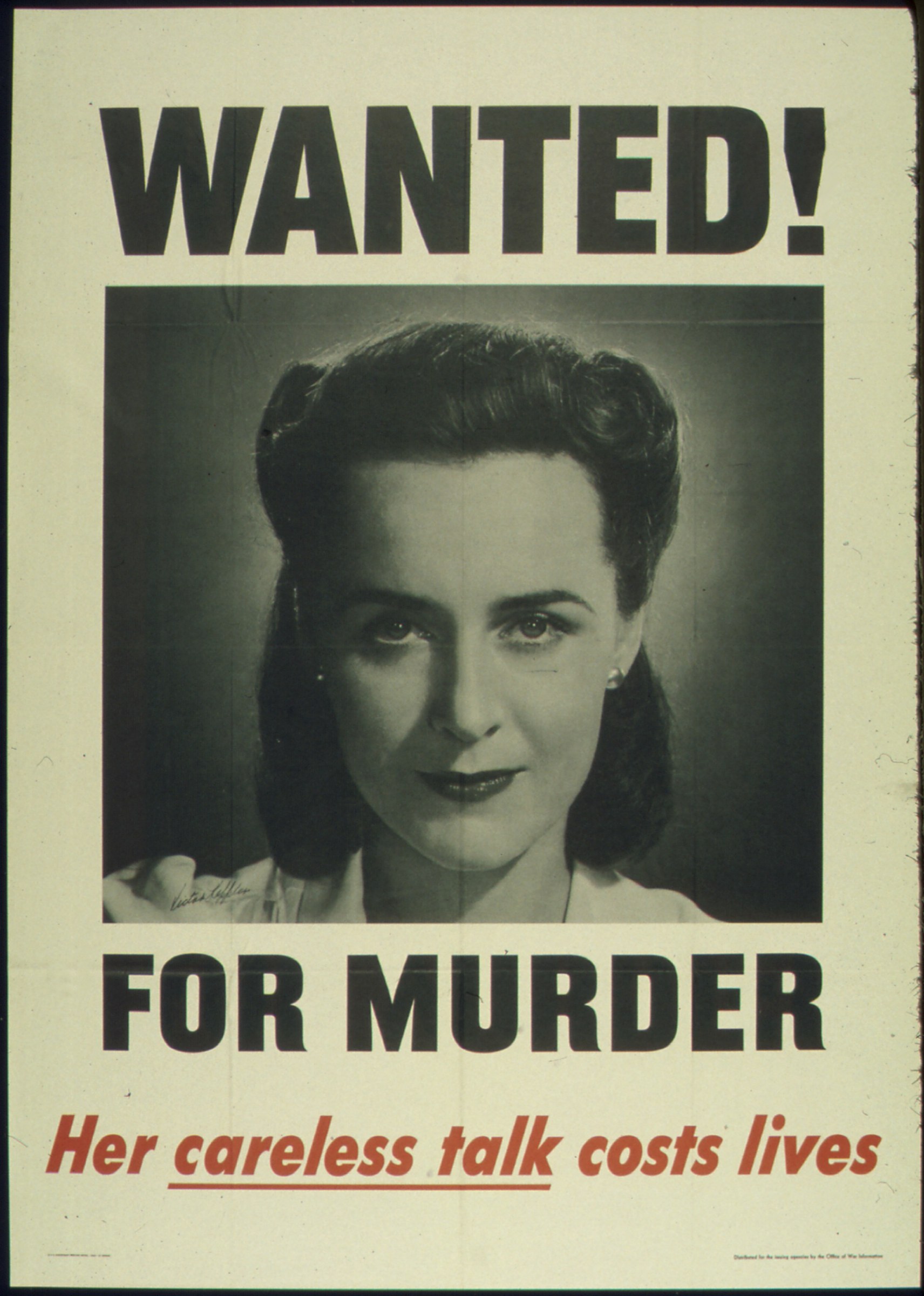
Find one paragraph of news or advertising. Underline every word that carries a judgment. Rewrite the paragraph without them. What's left?
In the wild
Short examples of the technique at work, each with what to notice. The same examples are questions in the quiz, where the answer is not given away.
"The council rammed through a lavish spending spree on a vanity project while families struggle."
What to notice. "Rammed," "lavish," "spree," and "vanity" carry the verdict; the facts of the budget are absent.
"Our reform frees hardworking families from crippling red tape." The reform repeals a safety inspection.
What to notice. "Frees," "hardworking," and "crippling" load the sentence; the inspection is never described.
"A crowd gathered outside the courthouse." The rival paper wrote "A mob gathered."
What to notice. Same people, two temperatures. Each paper's word is the judgment it wants the reader to reach.
Sources
- Orwell, George. "Politics and the English Language." Horizon 13, no. 76 (April 1946).
- Hayakawa, S. I. Language in Thought and Action. New York: Harcourt, Brace, 1949.
- Lakoff, George. Don't Think of an Elephant! Know Your Values and Frame the Debate. White River Junction: Chelsea Green, 2004. ISBN 978-1931498715
- Lutz, William. Doublespeak. New York: Harper & Row, 1989. ISBN 978-0060161347