Dysphemism
Replacing a neutral word with a harsh or contemptuous one, so that the audience's distaste for the word attaches to the thing it names.
The opposite of euphemism and the twin of name-calling. Where name-calling labels a person or group, dysphemism reaches for everything else: a law becomes a scheme, a tax becomes a raid, a negotiation becomes a surrender, a government becomes a regime. The audience hears the contempt as if it were information about the thing.
The pairing with euphemism is the tell. A speaker who calls their own side's proposal an investment and the other side's a giveaway is running both devices at once, and the temperature of the words tracks the speaker's interest, not the facts. Allan and Burridge's study of the two devices called them language used "as shield and weapon." Exploits Affect Heuristic and Framing Effect.
Historical examples
The relabelling of the estate tax as the "death tax," pressed by opponents of the tax through the 1990s and adopted in Republican messaging by decade's end, is the best documented modern dysphemism. Polling showed that support for repeal rose when the harsher name was used, though the tax applied to a small fraction of estates and nothing about it changed.
Graetz, Michael J., and Ian Shapiro. Death by a Thousand Cuts: The Fight over Taxing Inherited Wealth. Princeton: Princeton University Press, 2005.
The Lees' analysis of Father Coughlin's broadcasts found policies and institutions routinely renamed before they were discussed: banks became "the money changers," the New Deal's programs "schemes," and international finance "the international bankers." The name preceded and replaced the argument.
Lee, Alfred McClung, and Elizabeth Briant Lee. The Fine Art of Propaganda. New York: Harcourt, Brace, 1939.
In advertising and commerce
Comparative advertising leans on dysphemism for the rival: "cheap imitations," "bargain brands," "the old way," "harsh chemicals," where the advertiser's own product is "value," "classic," and "gentle." Regulators police explicit false claims; the temperature of a noun is beyond them.
Allan, Keith, and Kate Burridge. Euphemism and Dysphemism: Language Used as Shield and Weapon. New York: Oxford University Press, 1991; Pratkanis and Aronson, Age of Propaganda (2001).
In the archive
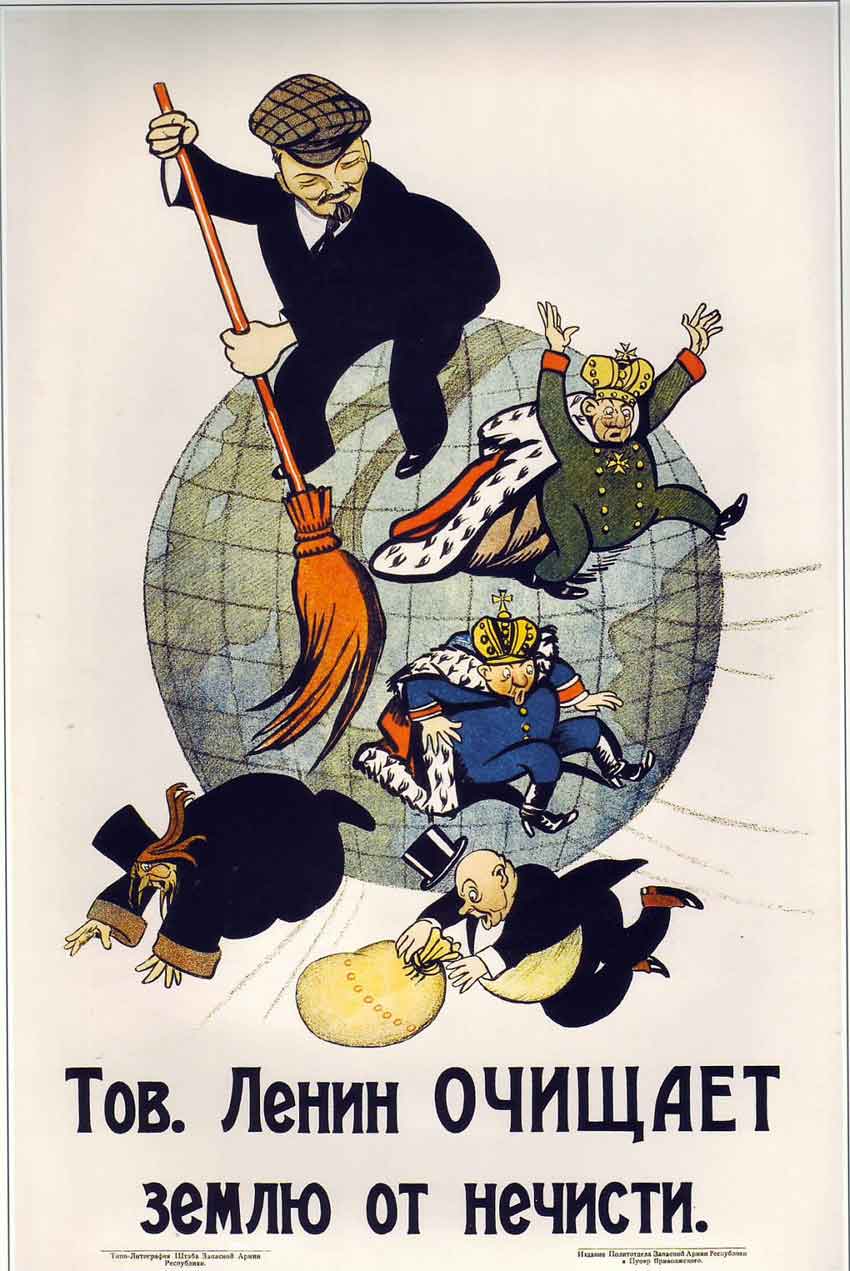
Posters and advertisements annotated with this technique.
Find a policy or product that two sides describe with different words. List both sets. Which words tell you what the thing is, and which tell you what to feel about it?
In the wild
Short examples of the technique at work, each with what to notice. The same examples are questions in the quiz, where the answer is not given away.
"The mayor's bike-lane scheme is a land grab dressed up as transport policy."
What to notice. "Scheme" and "land grab" are harsh names for a road plan; nothing about the plan is argued.
"Our members receive a fair settlement. Their members got a bailout."
What to notice. The same kind of payment gets a warm word for us and a harsh one for them.
"Don't fall for the bargain-bin brands and their harsh chemicals."
What to notice. Rival products are renamed with contempt; no ingredient or price is compared.
Sources
- Allan, Keith, and Kate Burridge. Euphemism and Dysphemism. New York: Oxford University Press, 1991. ISBN 978-0195066227
- Graetz, Michael J., and Ian Shapiro. Death by a Thousand Cuts. Princeton: Princeton University Press, 2005. ISBN 978-0691122939
- Lee, Alfred McClung, and Elizabeth Briant Lee. The Fine Art of Propaganda. New York: Harcourt, Brace, 1939.
- Lakoff, George. Don't Think of an Elephant! White River Junction: Chelsea Green, 2004. ISBN 978-1931498715