Appeal to pity
Presenting suffering, one's own or someone else's, so that the audience's sympathy substitutes for a judgment about whether the request attached to it is justified.
Pity is a good emotion pointed at the wrong question. Whether a person is suffering and whether their claim is true are separate matters, and the device joins them: the suffering is shown, the claim rides in behind it, and to question the claim feels like doubting the suffering. The audience relieves its own discomfort by agreeing.
Aristotle listed pity among the emotions a speaker can arouse to move a judge, and warned that it moves judgment away from the case. The device is not confined to the cynical; charities, defendants, and advertisers all use it, and the test is not whether pity is felt but whether it is doing the work an argument should. Exploits Identifiable Victim Effect and Empathy Gap.
Historical examples
Posters for the Commission for Relief in Belgium and for Allied war charities placed a hungry child or a widowed mother at the center of the sheet and the appeal beneath. The cause was real and the device was still the device: the sufferer carried a request that the poster never argued for, and the mechanism was the same one that other posters used to sell bonds and enlistment.
Library of Congress, Prints and Photographs Division, World War I posters collection (relief and charity series); Jowett and O'Donnell, Propaganda and Persuasion, 7th ed. (2019).
Aristotle's Rhetoric treats pity as one of the emotions a speaker arouses to move a judge, and Athenian defendants were known to bring their weeping children into court. The Apology has Socrates refuse to do so on the grounds that a jury should decide by law and not by favor, which is as clear a description of the device and its counter as any since.
Aristotle, Rhetoric, Book II, chapter 8; Plato, Apology, 34c–35d.
In advertising and commerce
Aid organizations have long known that a single named child raises more than a statistic about a million, and research on the "identifiable victim effect" confirms it. The resulting genre, sometimes criticized as "poverty porn," is an appeal to pity in which the image of suffering does the persuading and the effectiveness of the intervention is rarely mentioned.
Small, Deborah A., George Loewenstein, and Paul Slovic. "Sympathy and Callousness: The Impact of Deliberative Thought on Donations to Identifiable and Statistical Victims." Organizational Behavior and Human Decision Processes 102, no. 2 (2007): 143–153. Source
In the archive
Posters and advertisements annotated with this technique.
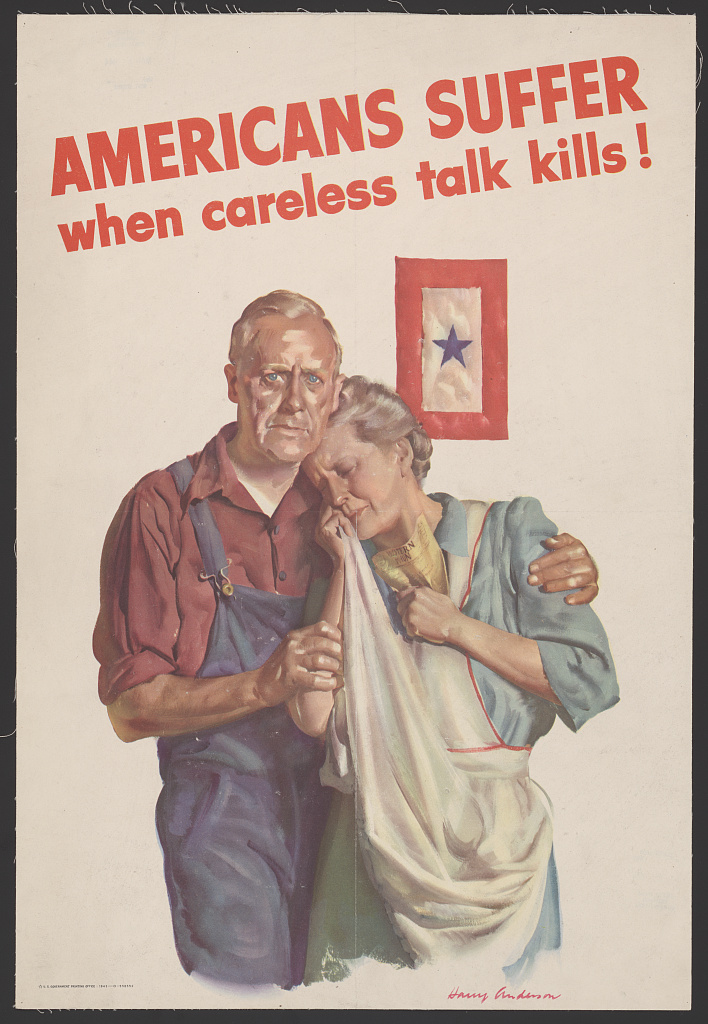
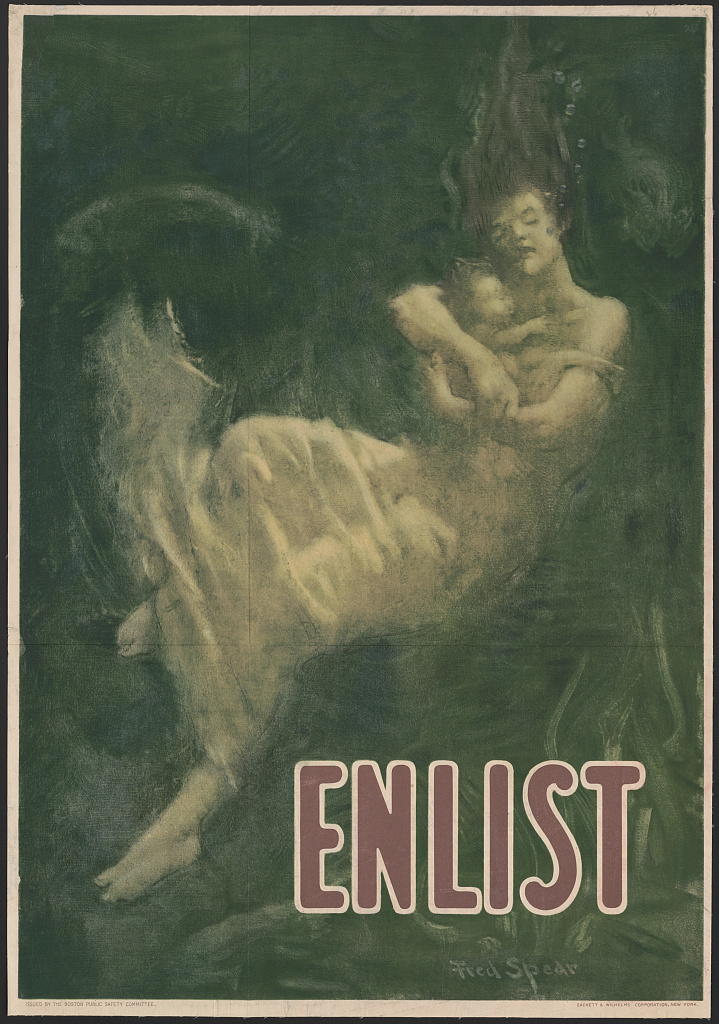
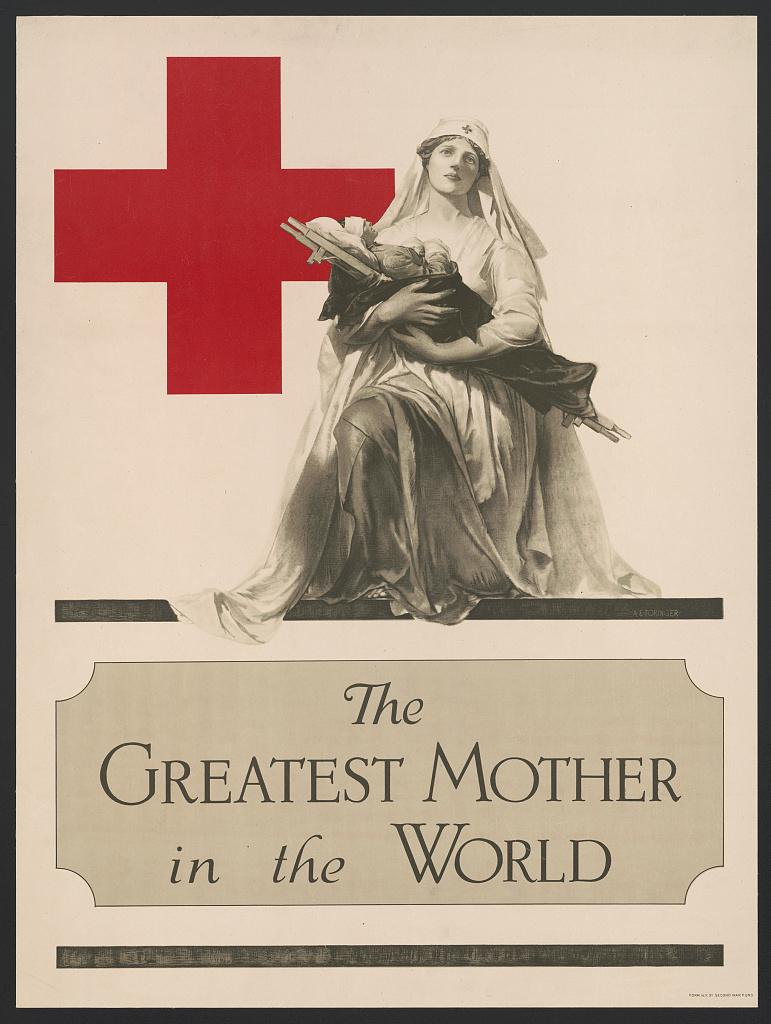
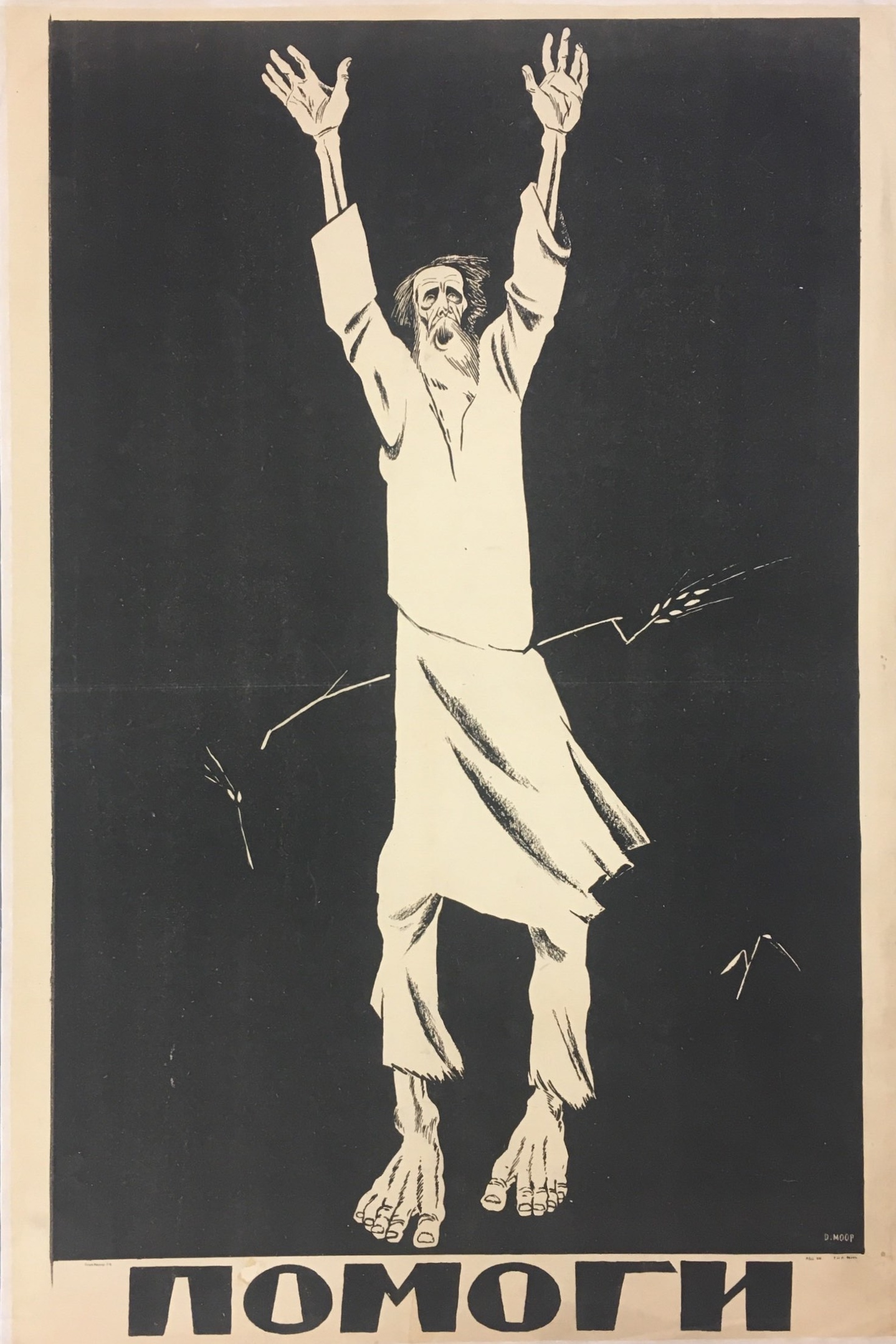
Find a charity or campaign advertisement built around one person's story. What is the ask? Would the ask make sense without the story?
In the wild
Short examples of the technique at work, each with what to notice. The same examples are questions in the quiz, where the answer is not given away.
"Before you vote against this contract, look at the faces of the families who will lose their homes."
What to notice. The faces are offered in place of the contract's merits; disagreeing is framed as cruelty.
"I've worked eighteen-hour days to build this company. Surely that counts for something in this ruling."
What to notice. The speaker's hardship is offered as a reason for a verdict it has no bearing on.
"Every day you wait, another animal like Max goes without a home." The ad shows one dog and no figures.
What to notice. One identifiable sufferer stands in for a population, and the ask rides on him.
Sources
- Aristotle. Rhetoric. Translated by W. Rhys Roberts. Book II, chapter 8.
- Small, Deborah A., George Loewenstein, and Paul Slovic. "Sympathy and Callousness." Organizational Behavior and Human Decision Processes 102, no. 2 (2007): 143–153. doi:10.1016/j.obhdp.2006.01.005
- Walton, Douglas. Appeal to Pity: Argumentum ad Misericordiam. Albany: SUNY Press, 1997. ISBN 978-0791434628
- Jowett, Garth S., and Victoria O'Donnell. Propaganda and Persuasion. 7th ed. Thousand Oaks: SAGE, 2019. ISBN 978-1506371344