Labeling
Assigning a person, group, or position to a ready-made category, so that the audience responds to the category's reputation instead of to the thing itself.
Labels are how we think fast. "Extremist," "moderate," "elite," "populist," "denier," "alarmist," "activist," "expert": each word sorts its object into a drawer the audience has already furnished with feelings, and once sorted, the object inherits the furniture. The device is the act of sorting for advantage. It differs from name-calling, which reaches for an insult, in that a label can be neutral in tone and still decisive: "a lobbyist" and "a campaigner" describe the same person's job.
Sociologists have studied the effect from the receiving end. Howard Becker's Outsiders showed how a label, once applied, shapes how every subsequent act by the labeled person is read. Propaganda applies labels for that reason: it wants the reading fixed in advance. Exploits Halo Effect and Representativeness Heuristic.
Historical examples
Becker's Outsiders argued that deviance is "not a quality of the act the person commits, but rather a consequence of the application by others of rules and sanctions to an 'offender.'" The labeled person is thereafter seen through the label. Labeling theory began as an account of how societies sort people; it also describes how propaganda does.
Becker, Howard S. Outsiders: Studies in the Sociology of Deviance. New York: Free Press, 1963.
The vocabulary of the McCarthy period turned on labels: "fellow traveler," "pinko," "security risk," "un-American." Each placed a person in a category with legal and social consequences before any act was shown, and the labeled person's every subsequent statement was read as confirmation. Schrecker's history documents the machinery of application.
Schrecker, Ellen. Many Are the Crimes: McCarthyism in America. Boston: Little, Brown, 1998.
In advertising and commerce
"Natural," "artisan," "light," "diet," "premium," "wholesome": product labels that assign a food to a category the shopper trusts, regardless of what the category has to do with the contents. Regulators define some of the words and not others, and the undefined ones are the ones marketers prefer.
Nestle, Marion. Food Politics: How the Food Industry Influences Nutrition and Health. Rev. ed. Berkeley: University of California Press, 2013.
In the archive
Posters and advertisements annotated with this technique.
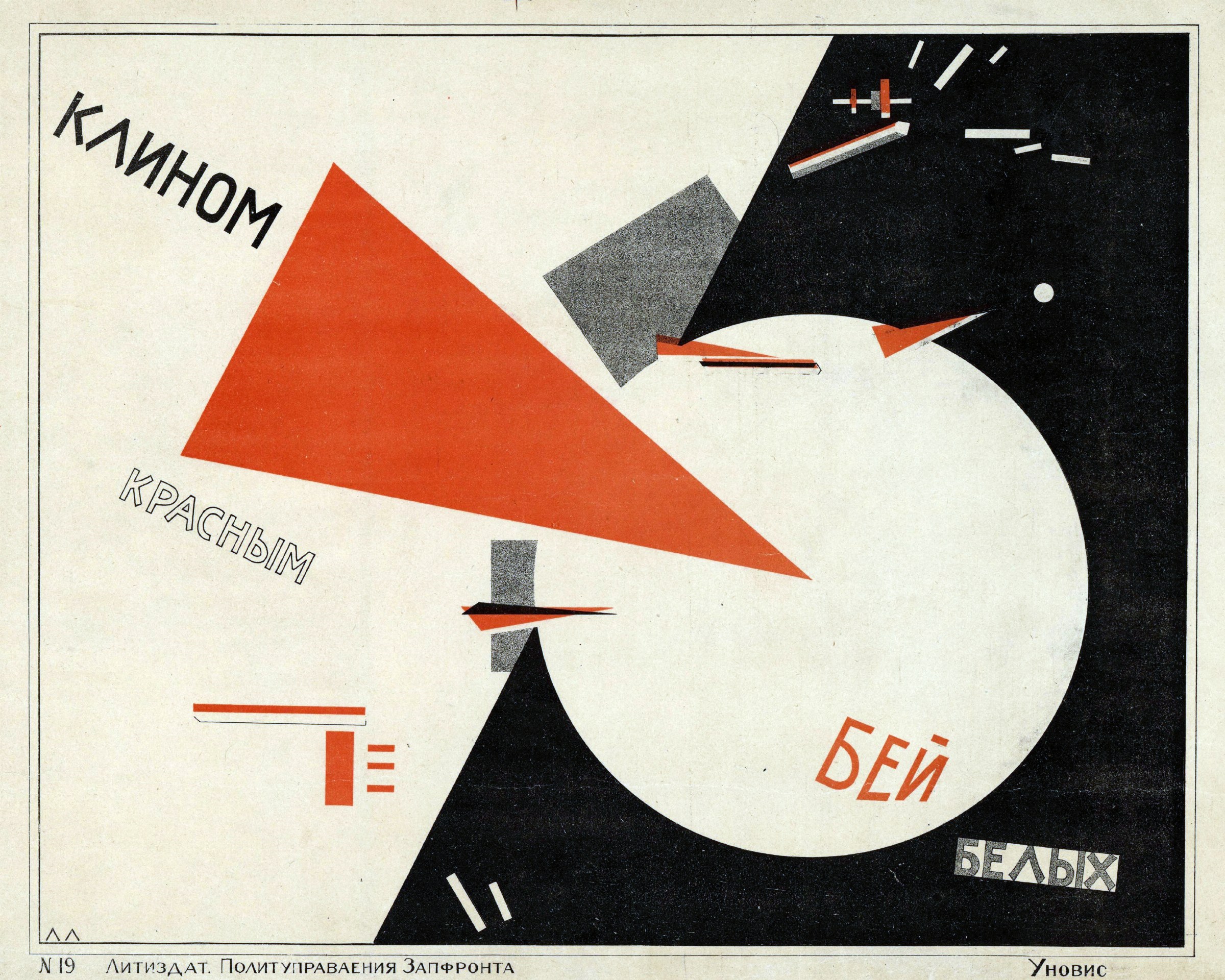
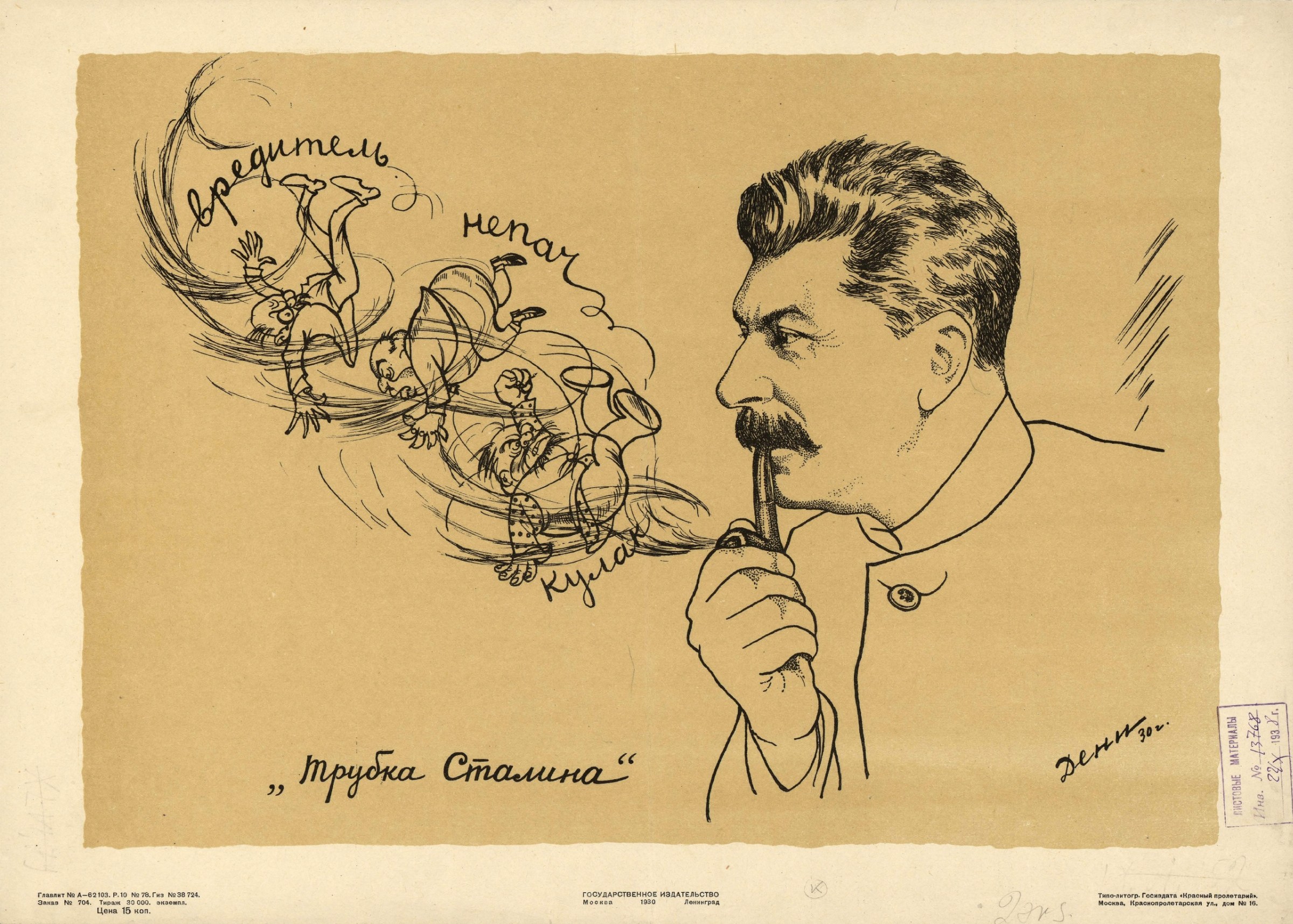
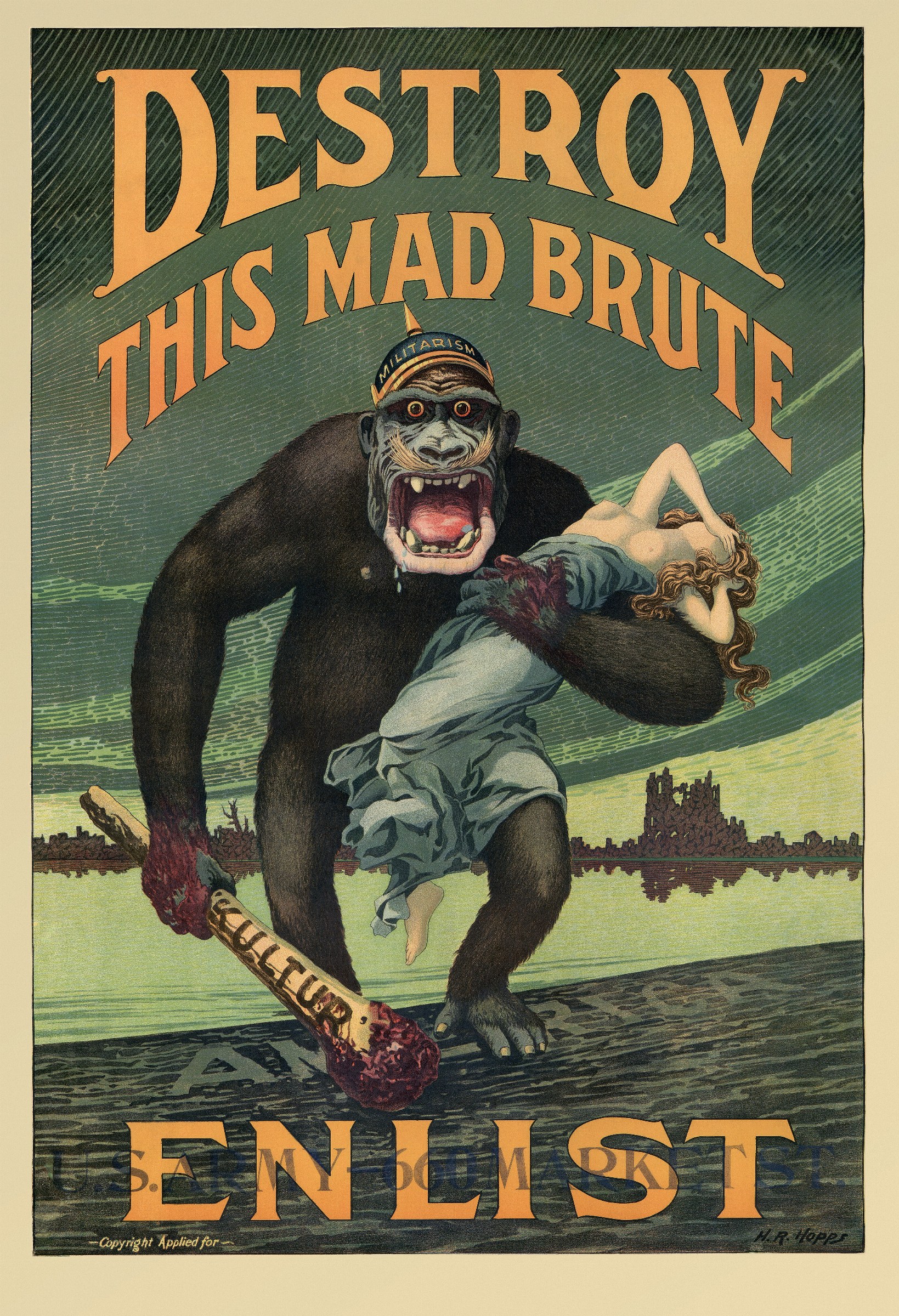
Find a news story that introduces someone with a category word. Rewrite the introduction with the word removed and the person's actual position or action in its place.
In the wild
Short examples of the technique at work, each with what to notice. The same examples are questions in the quiz, where the answer is not given away.
"The self-described expert claims the bridge is unsafe." The engineer holds a doctorate in structural engineering.
What to notice. "Self-described" files a qualified person under the drawer marked dubious before the claim is heard.
One paper called the speakers "campaigners"; another called the same people "agitators."
What to notice. Two drawers for the same people; the label, not the act, tells the reader what to think.
"A moderate voice on the council has raised concerns." The councillor's voting record is the most partisan on it.
What to notice. A favorable category is assigned so that the concerns inherit its credibility.
Sources
- Becker, Howard S. Outsiders: Studies in the Sociology of Deviance. New York: Free Press, 1963. ISBN 978-0684836355
- Schrecker, Ellen. Many Are the Crimes: McCarthyism in America. Boston: Little, Brown, 1998. ISBN 978-0316774703
- Entman, Robert M. "Framing: Toward Clarification of a Fractured Paradigm." Journal of Communication 43, no. 4 (1993): 51–58. doi:10.1111/j.1460-2466.1993.tb01304.x
- Nestle, Marion. Food Politics. Rev. ed. Berkeley: University of California Press, 2013. ISBN 978-0520275966