Name-calling
Attaching a hostile label to a person, group, or idea so that the audience rejects it without examining the evidence.
The label does the reasoning so the audience doesn't have to. A word like traitor, radical, or quack carries a verdict inside it; once it sticks, every later fact is read through it. The Institute for Propaganda Analysis listed name-calling first among its seven devices because it is the cheapest: no argument is offered, only a word that makes argument feel unnecessary.
It works on the audience's habit of sorting before judging. A name assigns the target to a category the audience already dislikes, and the dislike transfers without a single claim being tested. Exploits Halo Effect in reverse and In Group Favoritism.
Historical examples
British and American propaganda during the First World War routinely referred to Germans as "Huns," a name borrowed from Kaiser Wilhelm II's own 1900 speech urging troops in China to fight like the Huns of Attila. The word did the work of a whole argument: it placed a modern European army in the category of barbarian hordes, so that atrocity stories needed no verification to be believed.
Lee, Alfred McClung, and Elizabeth Briant Lee. The Fine Art of Propaganda. New York: Harcourt, Brace, 1939, on the "name calling" device; Kaiser Wilhelm II, "Hun speech," Bremerhaven, 27 July 1900.
The Lees' book was written as a study of Father Charles Coughlin's radio broadcasts, which reached tens of millions of listeners. Their analysis catalogs his labels for opponents: international bankers, communists, "the money changers." The labels let listeners dismiss a policy by dismissing the sort of person supposedly behind it.
Lee, Alfred McClung, and Elizabeth Briant Lee. The Fine Art of Propaganda: A Study of Father Coughlin's Speeches. New York: Harcourt, Brace, 1939.
In advertising and commerce
Patent-medicine and household-goods advertising leaned on "cheap imitations" and "inferior substitutes" to name every competitor at once. The phrase asserts nothing checkable about any rival product; it simply files them under a name the reader already distrusts.
Pratkanis, Anthony, and Elliot Aronson. Age of Propaganda: The Everyday Use and Abuse of Persuasion. Rev. ed. New York: W. H. Freeman, 2001, on labeling and "pre-persuasion."
In the archive
Posters and advertisements annotated with this technique.
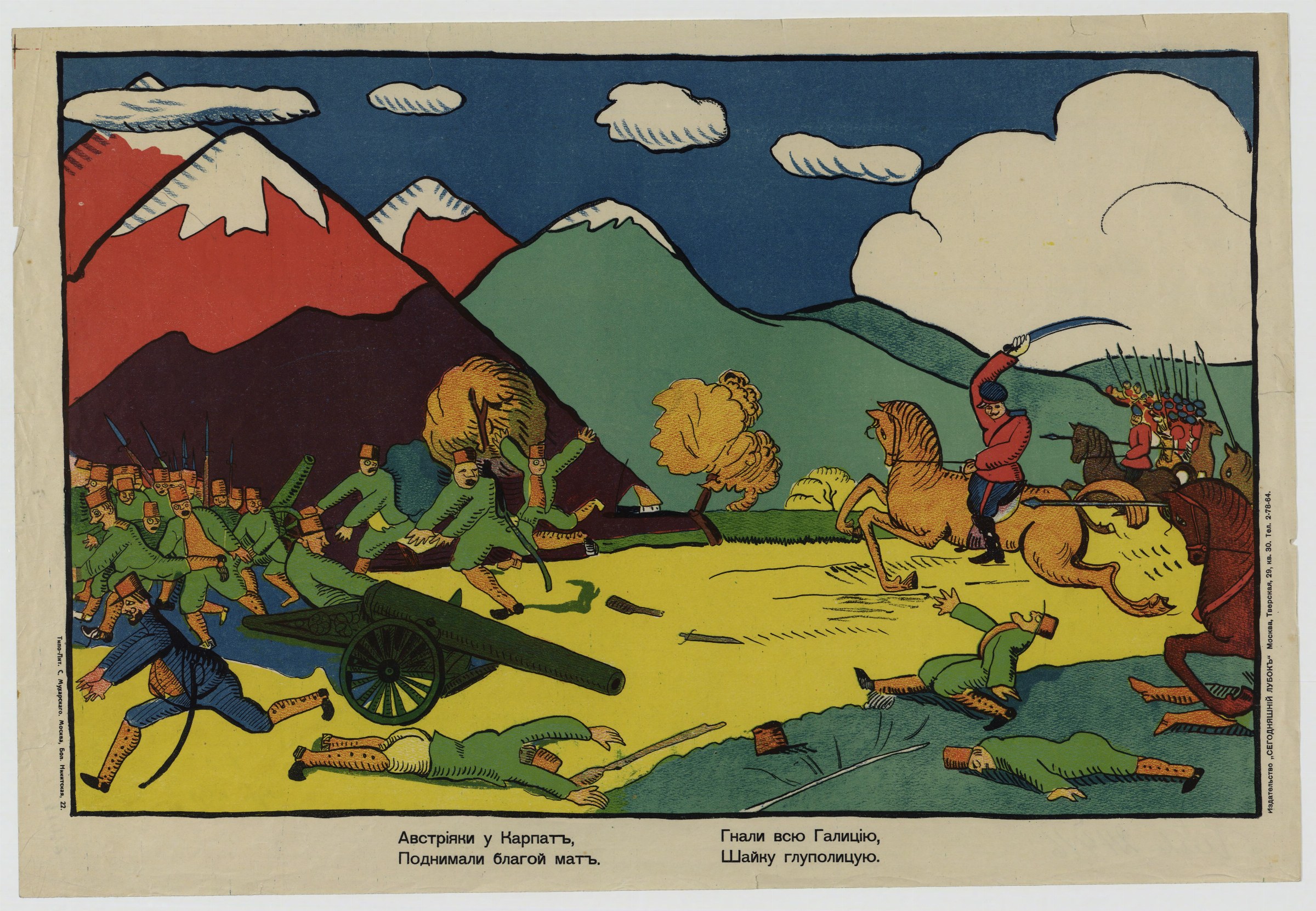 The Austrians cursed loudly near the Carpathian Mountains
Russia · 1914 · 4 techniques annotated
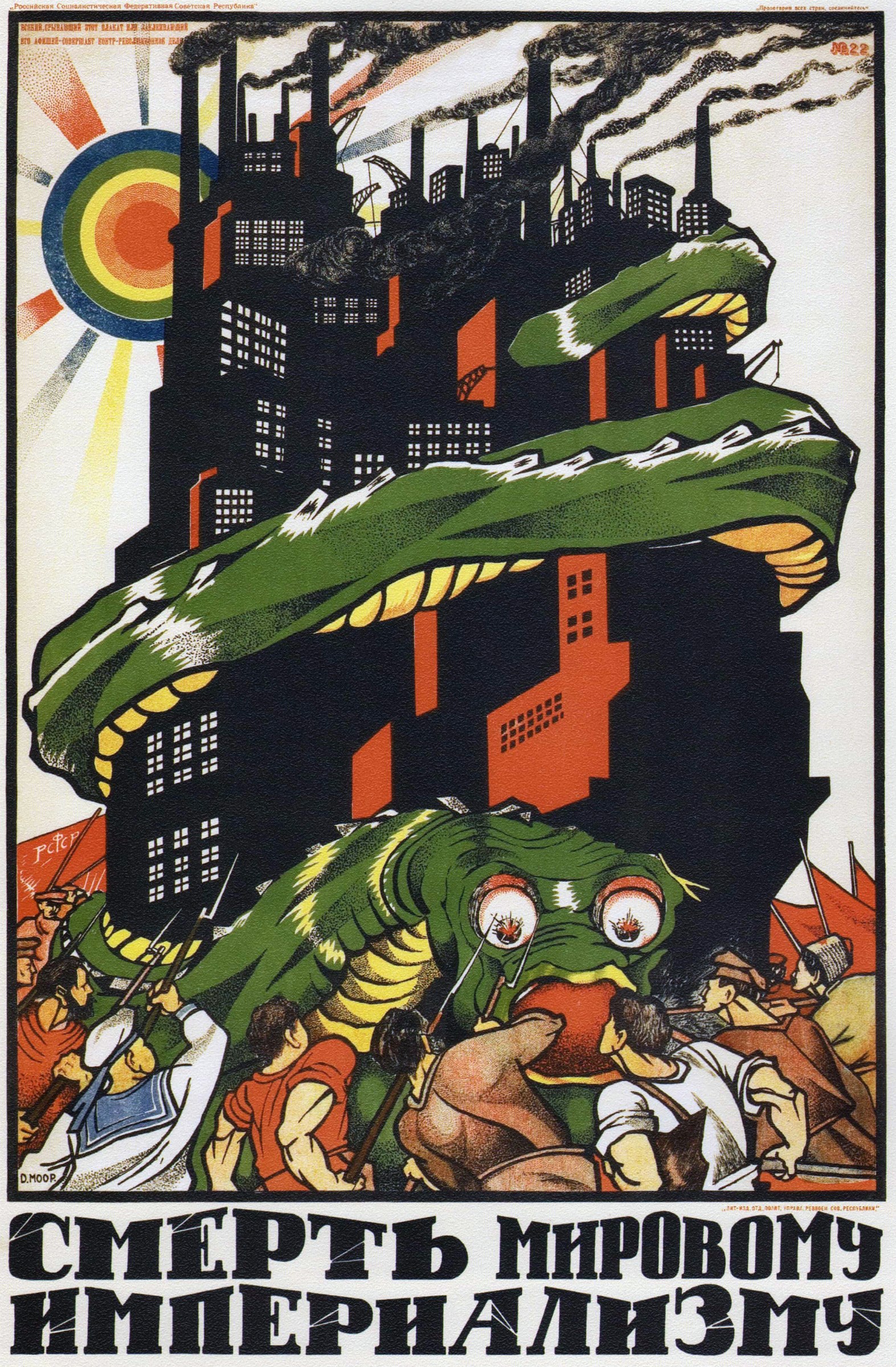 Death to world imperialism
Soviet Union · 1919 · 5 techniques annotated
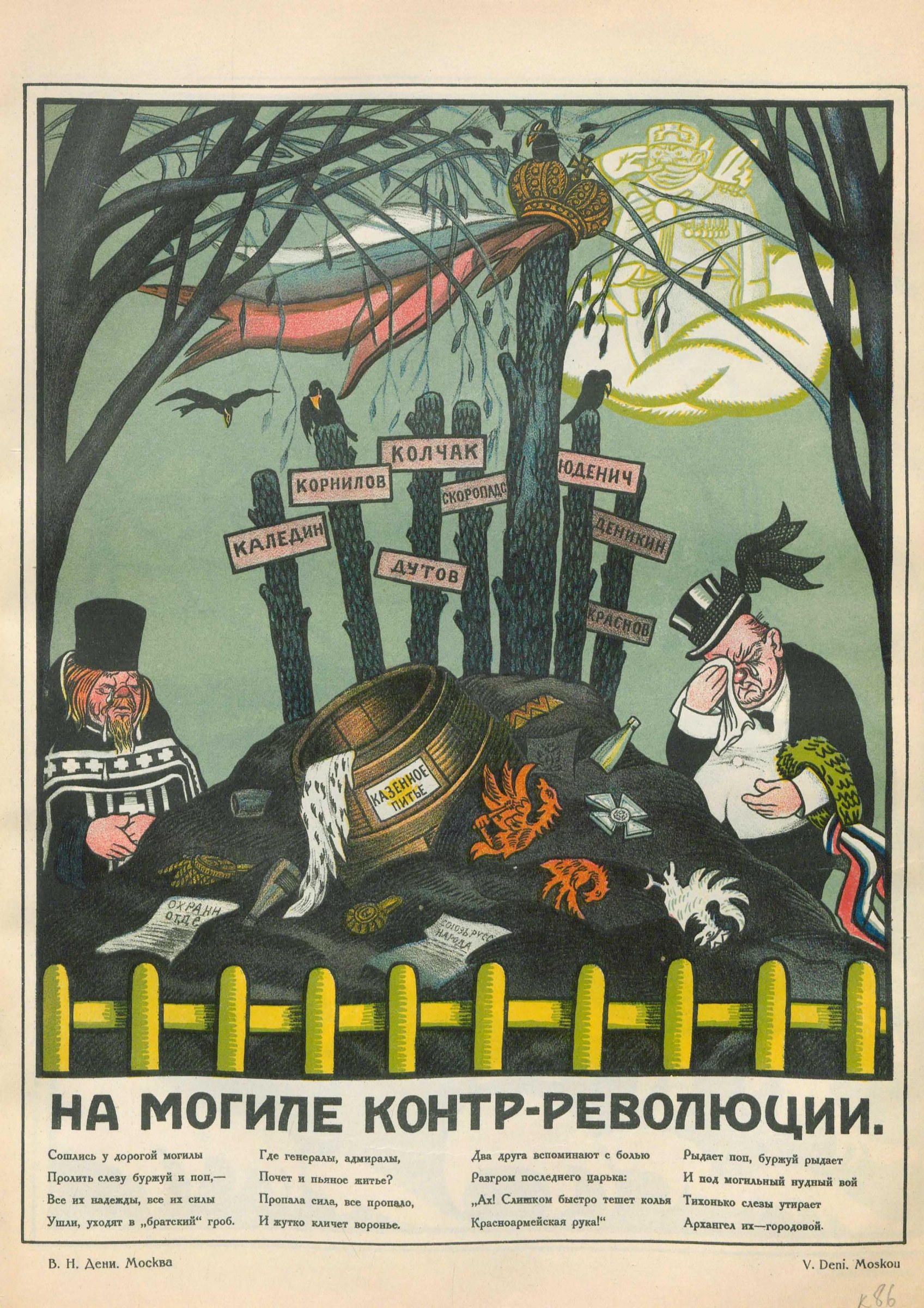 At the grave of the counter-revolution
Soviet Union · 1920 · 4 techniques annotated
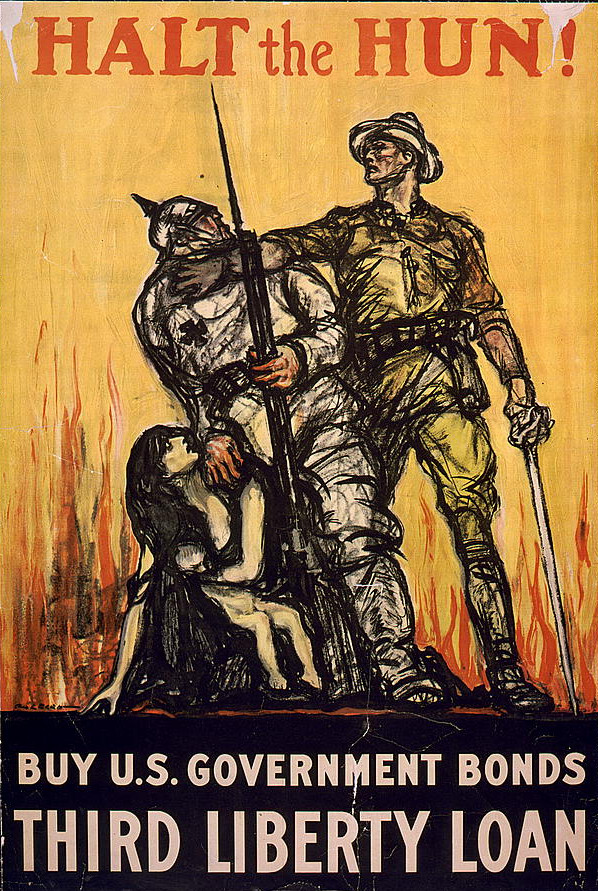 Halt the Hun! Buy U.S. Government bonds
United States · 1918 · 5 techniques annotated
Find three labels in today's news that are applied to a person or group rather than to what they did. For each, write the neutral description the label replaces.
In the wild
Short examples of the technique at work, each with what to notice. The same examples are questions in the quiz, where the answer is not given away.
"The council's so-called experts have cooked up another scheme to squeeze homeowners. Don't let the bureaucrats win."
What to notice. "So-called," "scheme," and "bureaucrats" do all the work; no fact about the proposal is offered.
"Only a crank would still be arguing about this. The serious people moved on years ago."
What to notice. The opponent is labeled a crank instead of answered. The bandwagon note ("serious people moved on") is secondary; the primary move is the label.
"This isn't journalism, it's activism dressed up as news."
What to notice. Renaming the reporting as "activism" dismisses it by category rather than by any error in it.
"Their leader is a puppet. Everybody in the region knows who pulls the strings."
What to notice. "Puppet" assigns the target to a discredited category. The appeal to what "everybody knows" props it up but is not the main device.
Sources
- Institute for Propaganda Analysis. "How to Detect Propaganda." Propaganda Analysis 1, no. 2 (November 1937).
- Lee, Alfred McClung, and Elizabeth Briant Lee. The Fine Art of Propaganda: A Study of Father Coughlin's Speeches. New York: Harcourt, Brace, 1939.
- Pratkanis, Anthony, and Elliot Aronson. Age of Propaganda. Rev. ed. New York: W. H. Freeman, 2001. ISBN 978-0805074031
- Jowett, Garth S., and Victoria O'Donnell. Propaganda and Persuasion. 7th ed. Thousand Oaks: SAGE, 2019. ISBN 978-1506371344