Cult of personality
Building a leader into a figure of devotion through relentless praise, imagery, and staged intimacy, so that loyalty to the person replaces judgment of the person's decisions.
A policy can be argued with; a beloved father cannot. The device surrounds a leader with portraits, anecdotes of humility and genius, ceremonies of gratitude, and a biography edited into legend, until criticism of any decision feels like ingratitude toward the person. It concentrates every emotion the audience has about the group, the nation, the company, the cause, onto a single face, and then attaches the leader's wishes to that face.
The phrase entered common use with Khrushchev's 1956 speech to the Twentieth Party Congress denouncing the cult around Stalin, which described the machinery precisely: the leader "placed above the Party and above the people," the "mass repression" made possible by it, and a whole apparatus of writers and painters employed to sustain it. Exploits Halo Effect and Authority Bias.
Historical examples
From Stalin's fiftieth birthday in 1929, Soviet media, painting, poetry, and place names were organized around his person: the "father of peoples," the "coryphaeus of science," the face on the banner. Jan Plamper's study of the cult shows how carefully its images were produced, vetted, and distributed, and how the cult made the purges survivable for the regime by binding public loyalty to the man rather than the policy.
Plamper, Jan. The Stalin Cult: A Study in the Alchemy of Power. New Haven: Yale University Press, 2012; Khrushchev, Nikita. "On the Cult of Personality and Its Consequences." Speech to the Twentieth Congress of the CPSU, 25 February 1956.
The "Hitler myth," as Ian Kershaw named it, was a deliberate construction: the leader as the embodiment of the nation, above party squabbles, credited with every success and shielded from every failure ("if only the Führer knew"). Kershaw documents how the myth outlasted public faith in the party and how it was maintained by Goebbels's ministry.
Kershaw, Ian. The "Hitler Myth": Image and Reality in the Third Reich. Oxford: Oxford University Press, 1987.
In advertising and commerce
Harland Sanders became "Colonel Sanders," a white-suited figure whose portrait replaced the product on the sign, and whose biography, the honorary title, the pressure-fried chicken sold from a roadside restaurant, was retold as legend. The founder-as-icon is the corporate form of the device: affection for a person carried over to a menu.
Ozersky, Josh. Colonel Sanders and the American Dream. Austin: University of Texas Press, 2012; Holt, Douglas B. How Brands Become Icons. Boston: Harvard Business School Press, 2004.
In the archive
Posters and advertisements annotated with this technique.
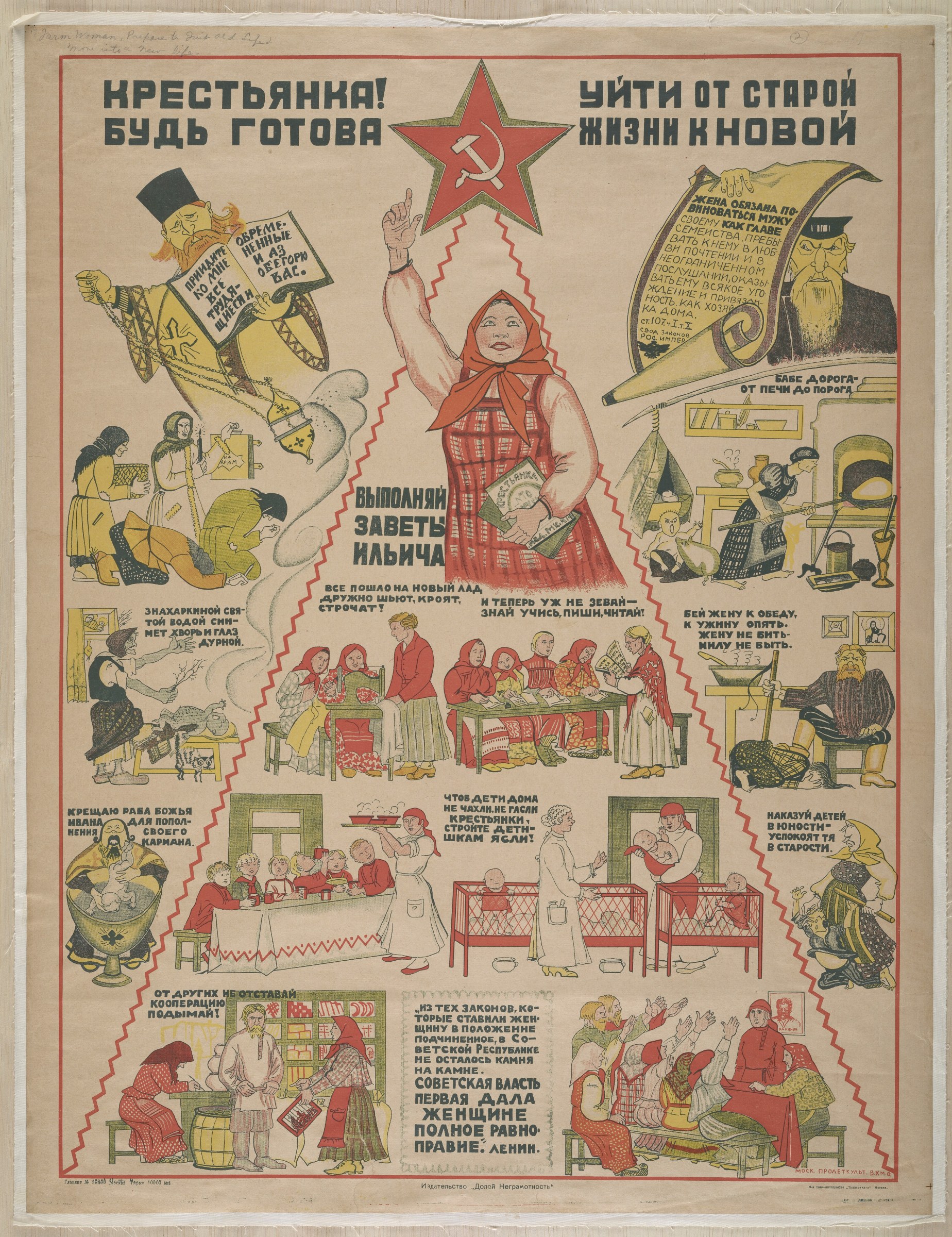
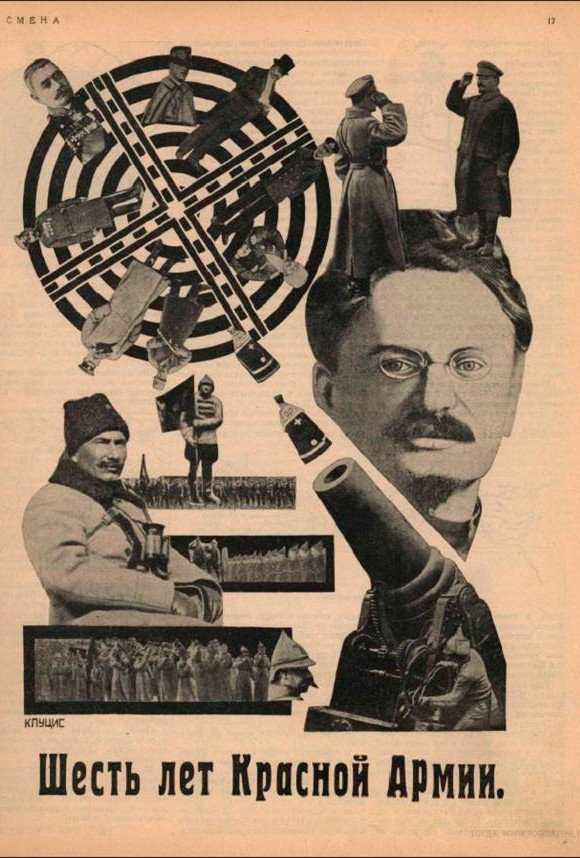
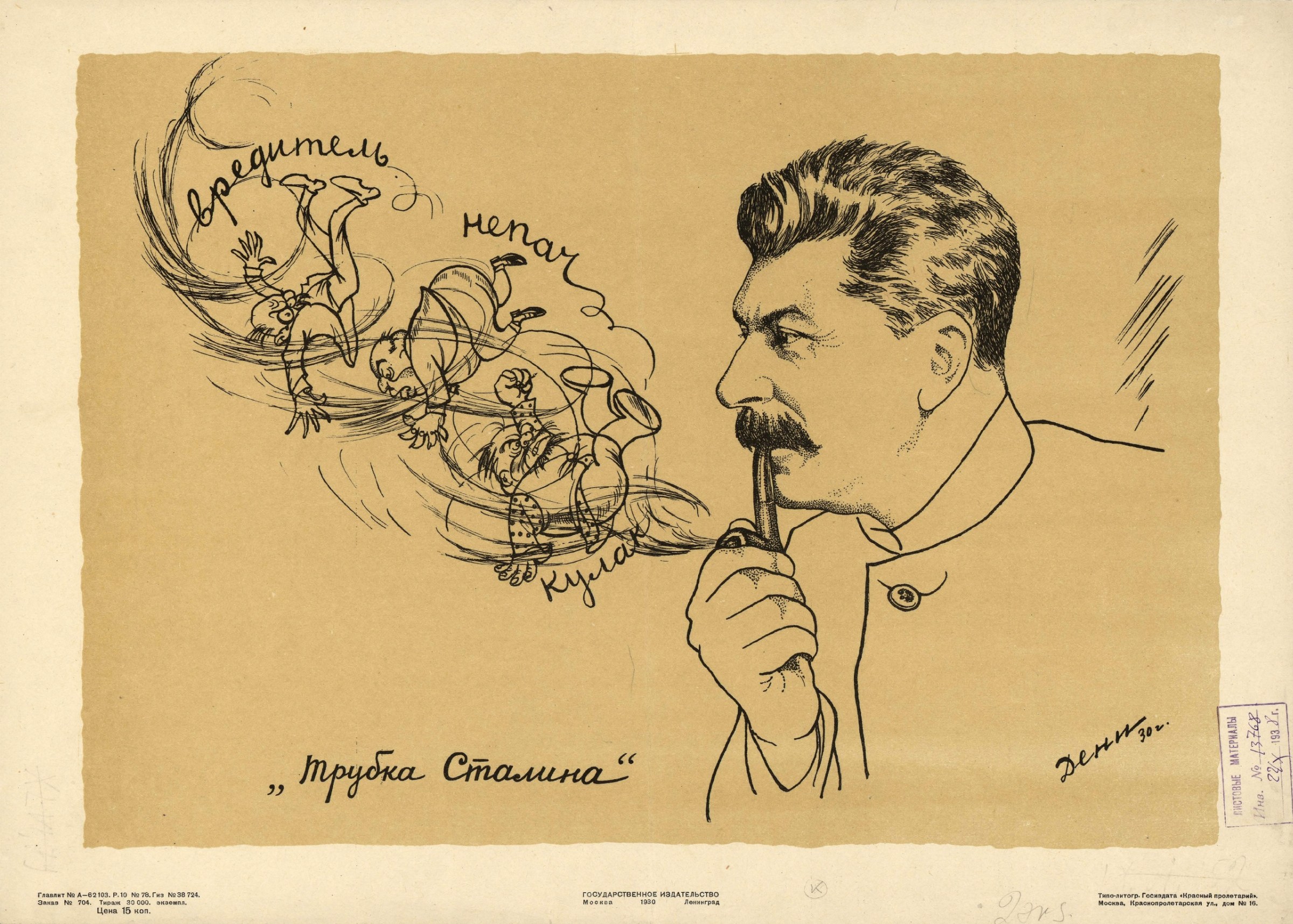
Find a leader, political or corporate, whose organization tells a story about them. Which parts of the story can be checked? Which parts are praise with no content?
In the wild
Short examples of the technique at work, each with what to notice. The same examples are questions in the quiz, where the answer is not given away.
"Our founder saw this coming twenty years ago. The board's job is to carry out his vision, not question it."
What to notice. The person's legend substitutes for a judgment of the plan; questioning it is disloyalty to him.
A campaign office has the candidate's portrait on every wall and a biography film on loop, and the leaflets say "Only he can."
What to notice. The person, not the program, is the object of the campaign, and devotion is the ask.
"The chairman works twenty hours a day for us. To criticize the merger is to spit on that."
What to notice. A decision is shielded behind the leader's sacrifice; disagreement becomes ingratitude.
Sources
- Plamper, Jan. The Stalin Cult: A Study in the Alchemy of Power. New Haven: Yale University Press, 2012. ISBN 978-0300169522
- Kershaw, Ian. The "Hitler Myth": Image and Reality in the Third Reich. Oxford: Oxford University Press, 1987. ISBN 978-0192802064
- Khrushchev, Nikita. "On the Cult of Personality and Its Consequences." 25 February 1956.
- Ozersky, Josh. Colonel Sanders and the American Dream. Austin: University of Texas Press, 2012. ISBN 978-0292743854