Common enemy
Building or magnifying an external enemy so that the audience closes ranks behind the speaker and stops questioning the speaker's own conduct.
Nothing unites like a threat from outside. When a group believes itself attacked, internal disagreement feels like weakness, criticism of leaders feels like aid to the enemy, and sacrifice feels like duty. The device manufactures or inflates the outside threat to get those effects at home. It differs from scapegoating in its purpose: the scapegoat is blamed for the past, the common enemy is used to command the present.
Political scientists call the effect the "rally round the flag": support for leaders rises during international crises regardless of the leaders' role in causing them. The device is the deliberate use of that rise. Exploits In Group Favoritism and Threat Rigidity.
Historical examples
Orwell's Nineteen Eighty-Four gives the device its most quoted form in the Two Minutes Hate, a daily ritual directed at Emmanuel Goldstein, an enemy whose existence the Party maintains because the hatred he draws holds the population together. Orwell drew on the propaganda of the 1930s and 1940s he had watched at close range, and the passage has been used to teach the device ever since.
Orwell, George. Nineteen Eighty-Four. London: Secker & Warburg, 1949, Part One, chapter 1.
John Mueller's study of presidential approval from Truman to Johnson identified the "rally round the flag" effect: sharp rises in support at moments of international crisis, including crises the administration had precipitated. Later work found the effect strongest when opposition leaders fell silent, which is exactly what the device is designed to make them do.
Mueller, John E. "Presidential Popularity from Truman to Johnson." American Political Science Review 64, no. 1 (1970): 18–34; Brody, Richard A. Assessing the President: The Media, Elite Opinion, and Public Support. Stanford: Stanford University Press, 1991.
In advertising and commerce
Apple's "1984" Super Bowl advertisement introduced the Macintosh by staging a gray, regimented dystopia broken by a lone runner, with IBM as the unnamed but unmistakable enemy. The advertisement said nothing about the computer. It offered a tyrant to oppose and a side to join.
Scott, Linda M. "'For the Rest of Us': A Reader-Oriented Interpretation of Apple's '1984' Commercial." Journal of Popular Culture 25, no. 1 (1991): 67–81.
In the archive
Posters and advertisements annotated with this technique.
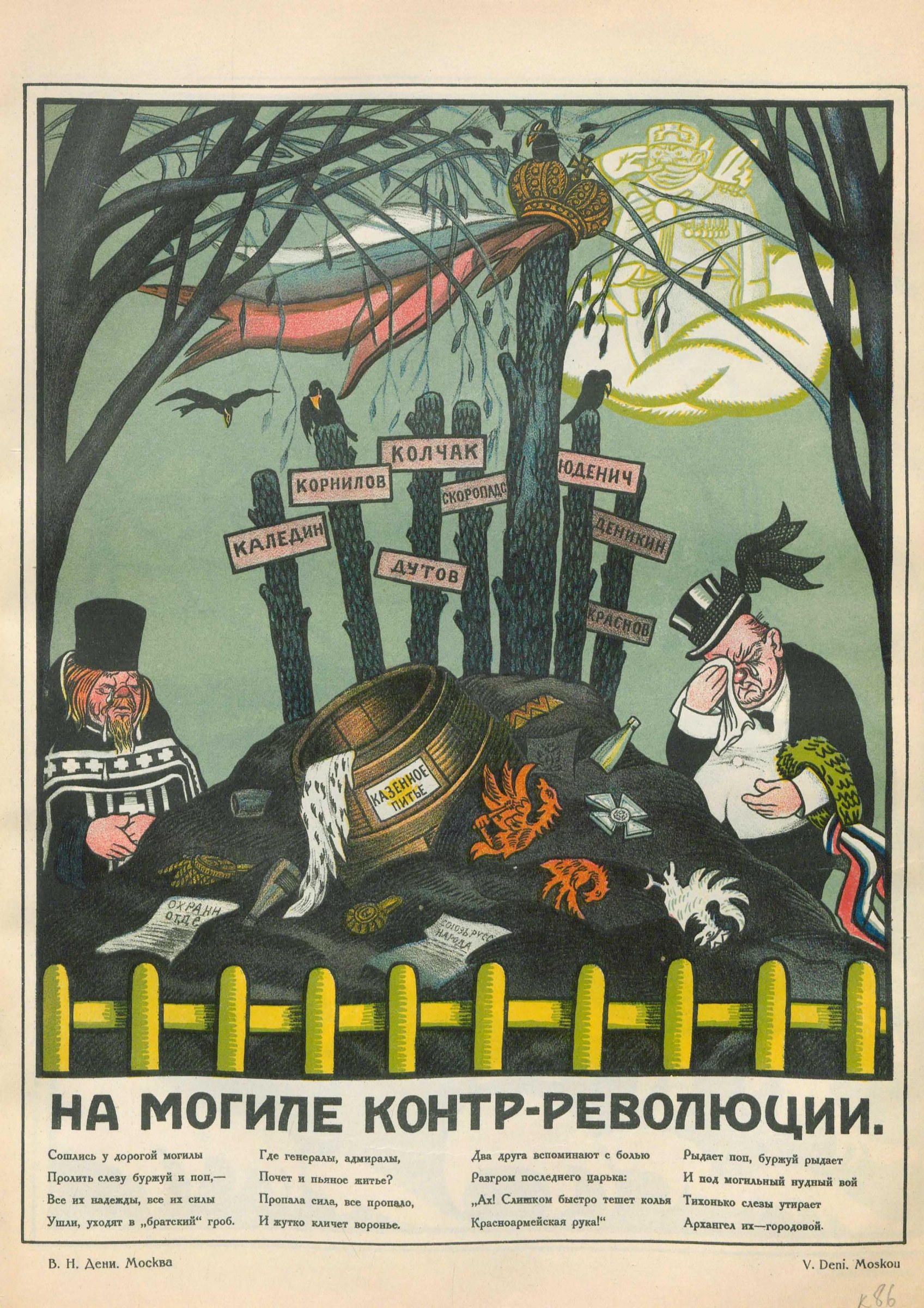
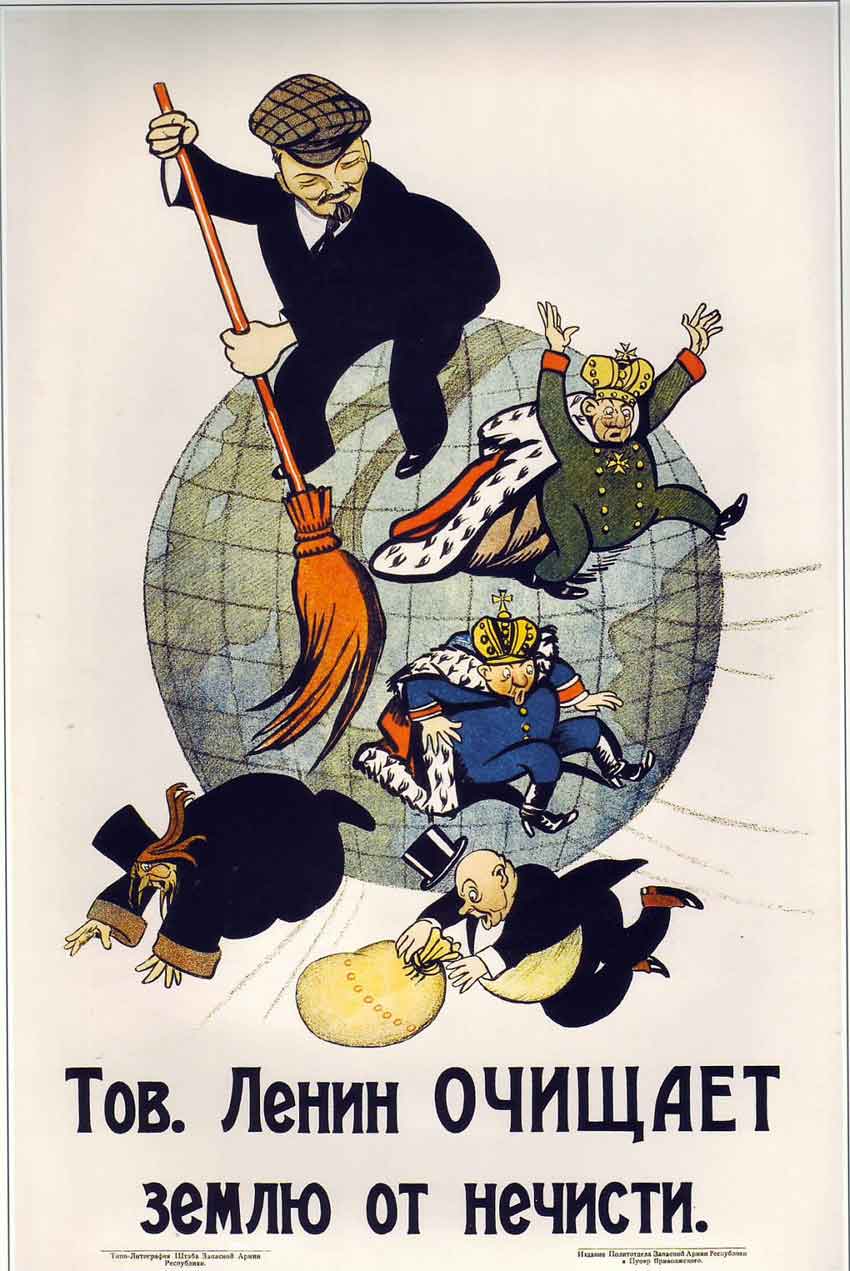
Find a message that asks everyone to unite against an outside threat. What is the audience being asked to stop doing while it unites?
In the wild
Short examples of the technique at work, each with what to notice. The same examples are questions in the quiz, where the answer is not given away.
"With the border situation what it is, this is no time to be debating the budget. We need to stand together."
What to notice. An outside threat is used to close a domestic question the speaker would rather not answer.
"Anyone criticizing the chairman right now is doing our competitors' work for them."
What to notice. Internal criticism is recast as aid to the enemy; the criticism itself is never addressed.
"They want to see us fail. Let's show them what this town is made of. Vote yes on the stadium."
What to notice. An external "they" who wants the town to fail is invoked to carry a spending decision.
Sources
- Mueller, John E. "Presidential Popularity from Truman to Johnson." American Political Science Review 64, no. 1 (1970): 18–34.
- Brody, Richard A. Assessing the President. Stanford: Stanford University Press, 1991. ISBN 978-0804718431
- Orwell, George. Nineteen Eighty-Four. London: Secker & Warburg, 1949.
- Keen, Sam. Faces of the Enemy: Reflections of the Hostile Imagination. San Francisco: Harper & Row, 1986. ISBN 978-0062504678