Us versus them
Dividing the world into an in-group the audience belongs to and an out-group it does not, so that positions are judged by which side holds them rather than by their merits.
People will favor their own group over another on the flimsiest basis. Henri Tajfel's experiments in 1970 sorted strangers into groups by a coin toss and found that they immediately allocated rewards to favor their own side, even at a cost to themselves. The device puts that reflex to work: it names a "we," names a "they," and then attaches the proposal to "we" and its opposition to "they."
Once the division is accepted, argument becomes unnecessary. A claim from "them" is suspect because of its source; a claim from "us" is trusted for the same reason. The device also makes changing one's mind feel like defection. Exploits In Group Favoritism and Out Group Homogeneity.
Historical examples
Both sides of the Cold War organized their public messaging around a binary: the Free World and the Communist bloc, or the peace-loving peoples and the imperialists. Domestic questions about spending, dissent, or civil rights were routinely resolved by asking which side an answer would please. The binary outlived most of the arguments it was used to settle.
Osgood, Kenneth. Total Cold War: Eisenhower's Secret Propaganda Battle at Home and Abroad. Lawrence: University Press of Kansas, 2006; Jowett and O'Donnell, Propaganda and Persuasion, 7th ed. (2019).
Tajfel's "minimal group" experiments at Bristol showed that boys assigned to groups by trivial or random criteria would favor their own group in allocating money, preferring a larger gap between the groups over a larger sum for everyone. The finding underlies the device: the line itself, not any real difference, produces the loyalty.
Tajfel, Henri. "Experiments in Intergroup Discrimination." Scientific American 223, no. 5 (1970): 96–102; Tajfel, Henri, and John C. Turner. "An Integrative Theory of Intergroup Conflict." In The Social Psychology of Intergroup Relations, edited by W. G. Austin and S. Worchel, 33–47. Monterey: Brooks/Cole, 1979.
In advertising and commerce
Apple's "Get a Mac" campaign personified the two platforms as a relaxed young man and a stiff one in a suit, and invited viewers to decide which they were. The advertisements made few claims about the machines; they offered a group to belong to and a group to be embarrassed by.
Holt, Douglas B. How Brands Become Icons: The Principles of Cultural Branding. Boston: Harvard Business School Press, 2004 (on identity-based branding); "Get a Mac," TBWA\Media Arts Lab for Apple Inc., 2006–2009.
In the archive
Posters and advertisements annotated with this technique.
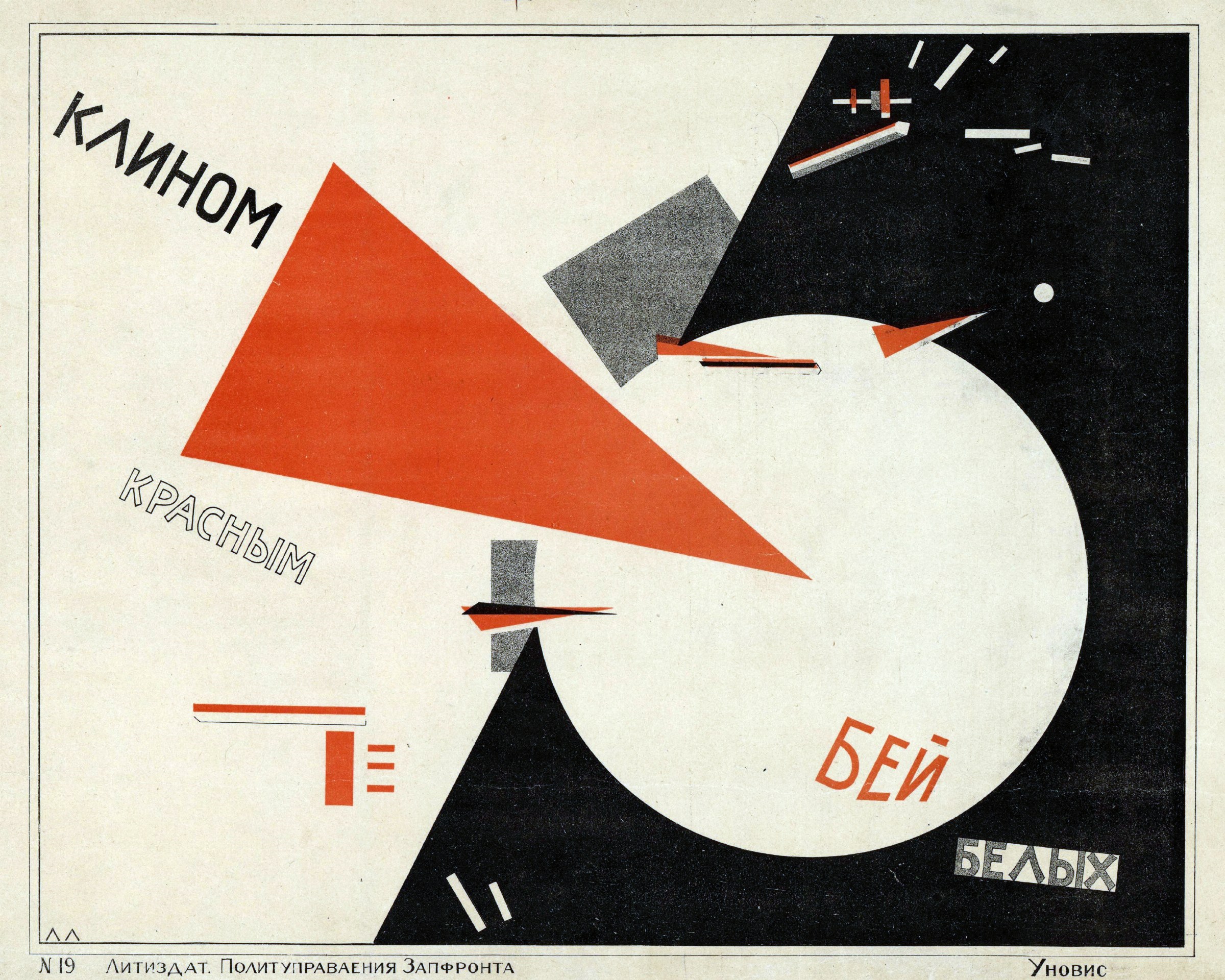
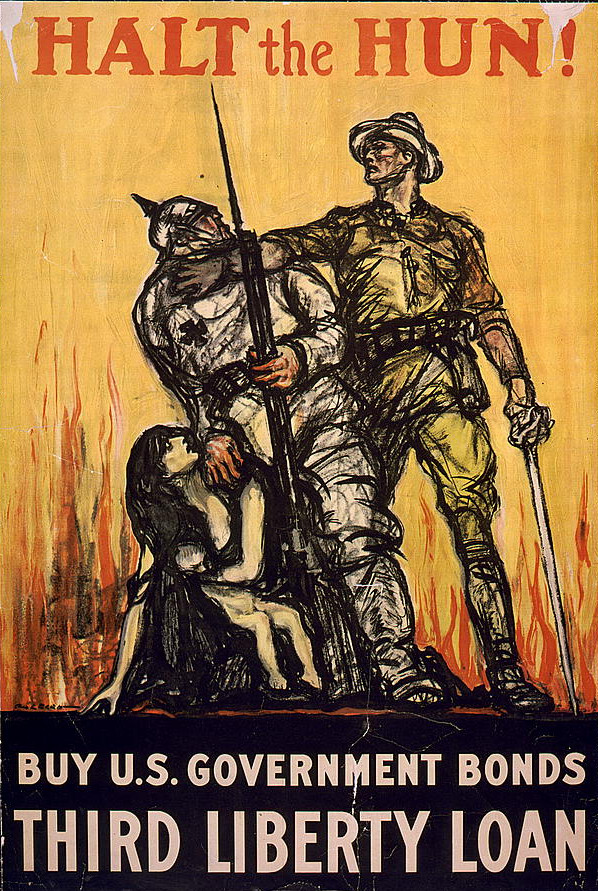
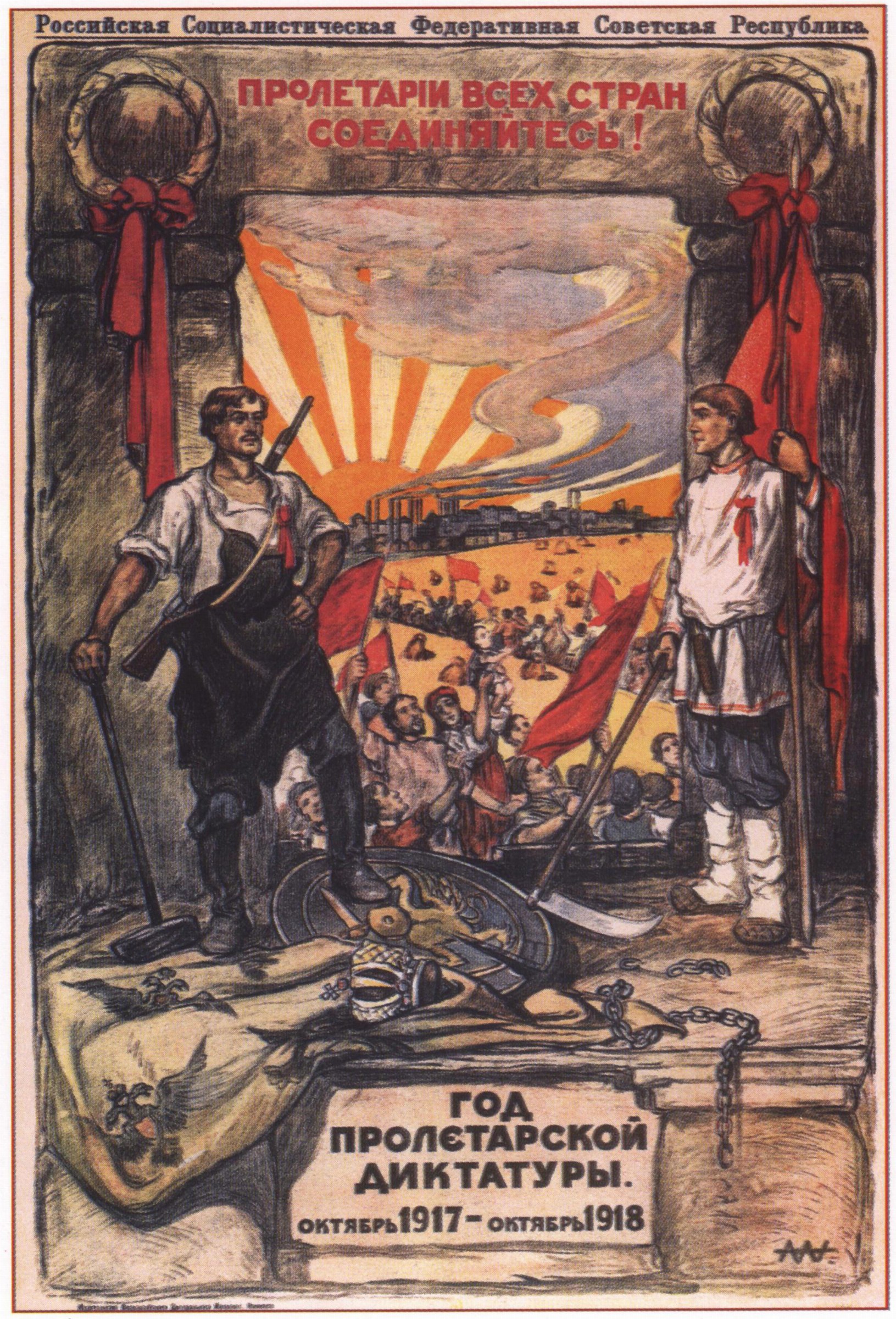
Find a message that uses "we" and "they." Who is in each group, and what is the message asking "we" to do? Would the ask make sense without "they"?
In the wild
Short examples of the technique at work, each with what to notice. The same examples are questions in the quiz, where the answer is not given away.
"Real families know this plan is a disaster. The people pushing it have never lived like us."
What to notice. The audience is sorted into "real families" and the others; the plan is judged by the sorting.
"You can drive what they drive, or you can drive one of ours."
What to notice. A product choice is turned into a side to be on; no attribute of either car is mentioned.
"It doesn't matter that she's right about the numbers. Look who she's standing with."
What to notice. The claim is conceded and rejected anyway because of the side it comes from.
Sources
- Tajfel, Henri. "Experiments in Intergroup Discrimination." Scientific American 223, no. 5 (1970): 96–102.
- Tajfel, Henri, and John C. Turner. "An Integrative Theory of Intergroup Conflict." In The Social Psychology of Intergroup Relations, edited by W. G. Austin and S. Worchel. Monterey: Brooks/Cole, 1979.
- Osgood, Kenneth. Total Cold War. Lawrence: University Press of Kansas, 2006. ISBN 978-0700614455
- Holt, Douglas B. How Brands Become Icons. Boston: Harvard Business School Press, 2004. ISBN 978-1578517749