Dehumanizing imagery
Drawing or photographing a group as animals, insects, monsters, or objects so that the viewer sees something to be exterminated or handled rather than people to be answered.
Where Dehumanization does the work in words, this does it in pictures, and pictures are faster. A gorilla does not have to be called subhuman; it is drawn, and the viewer supplies the rest. Once a group has a stock animal, every picture of the animal is a picture of the group, and the cartoonist can show it leashed, cornered, or crushed without a word of incitement appearing on the page.
The imagery survives its wars. The ape, the rat, the octopus, and the snake have each stood for several enemies in turn, and audiences learn the vocabulary once. Exploits Out Group Homogeneity and Moral Disengagement.
Historical examples
Harry Hopps's recruiting poster "Destroy This Mad Brute" drew Germany as a gorilla in a spiked helmet, a bloodied club in one hand and a half-naked woman in the other, stepping onto the American shore. The image needed no text to say that the enemy was not human; the Nazis reprinted it in the 1930s as proof of Allied hatred.
Rawls, Walton. Wake Up, America! World War I and the American Poster. New York: Abbeville, 1988; Library of Congress, LC-DIG-ds-03216.
American wartime cartoons drew the Japanese as monkeys, rats, and insects, and Japanese cartoons drew Americans as demons and beasts; John Dower's study of the two sides' imagery found the animal vocabulary on both, and connected it to the readiness of each to kill the other's civilians.
Dower, John W. War Without Mercy: Race and Power in the Pacific War. New York: Pantheon, 1986.
In advertising and commerce
The Aunt Jemima pancake trademark, registered in 1889, took its name and image from a minstrel-show character and presented a Black woman as a contented servant for the box. The figure was a type rather than a person for 131 years; the company retired it in 2020 after acknowledging its origins.
Manring, M. M. Slave in a Box: The Strange Career of Aunt Jemima. Charlottesville: University of Virginia Press, 1998.
In the archive
Posters and advertisements annotated with this technique.
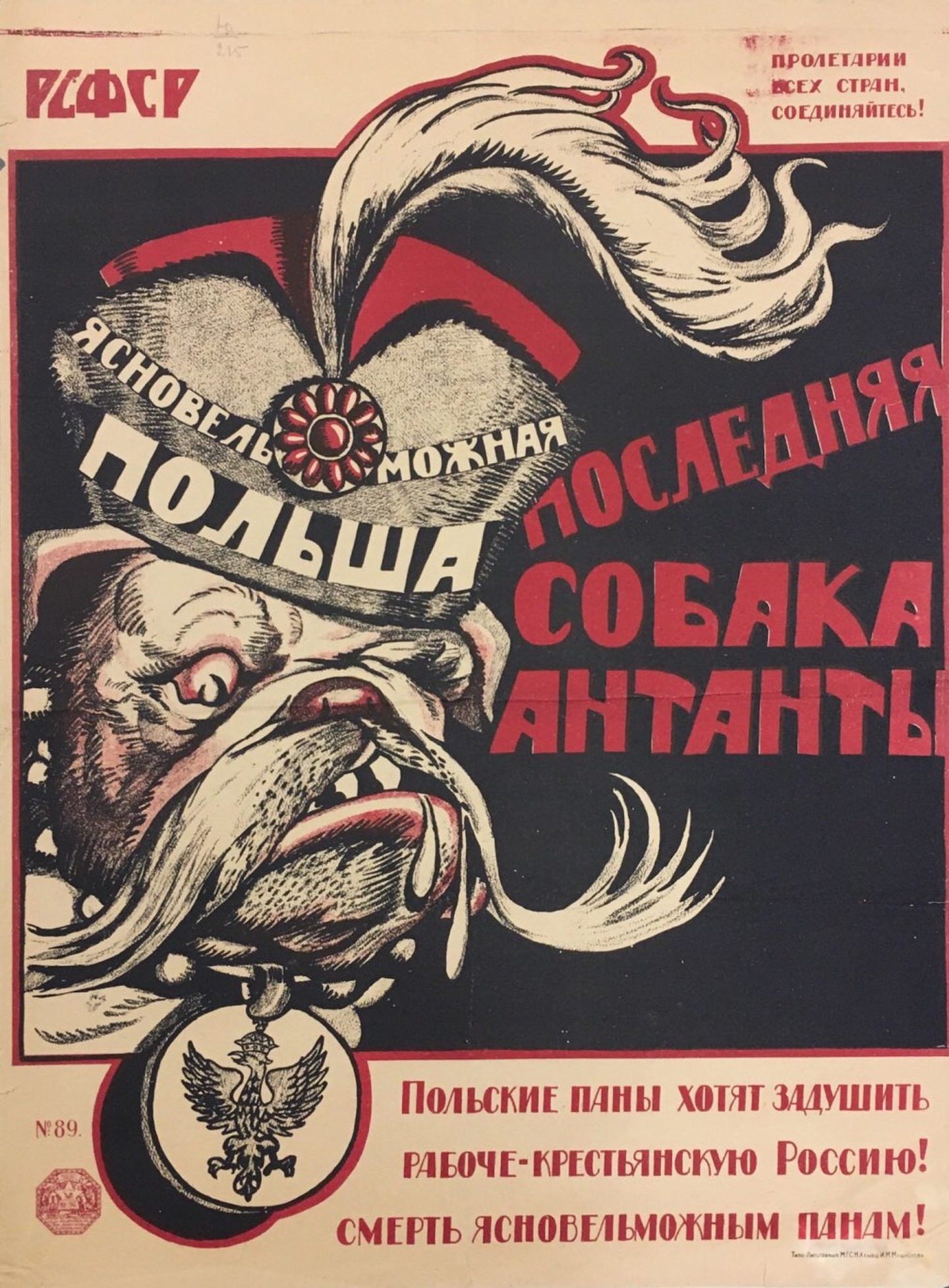
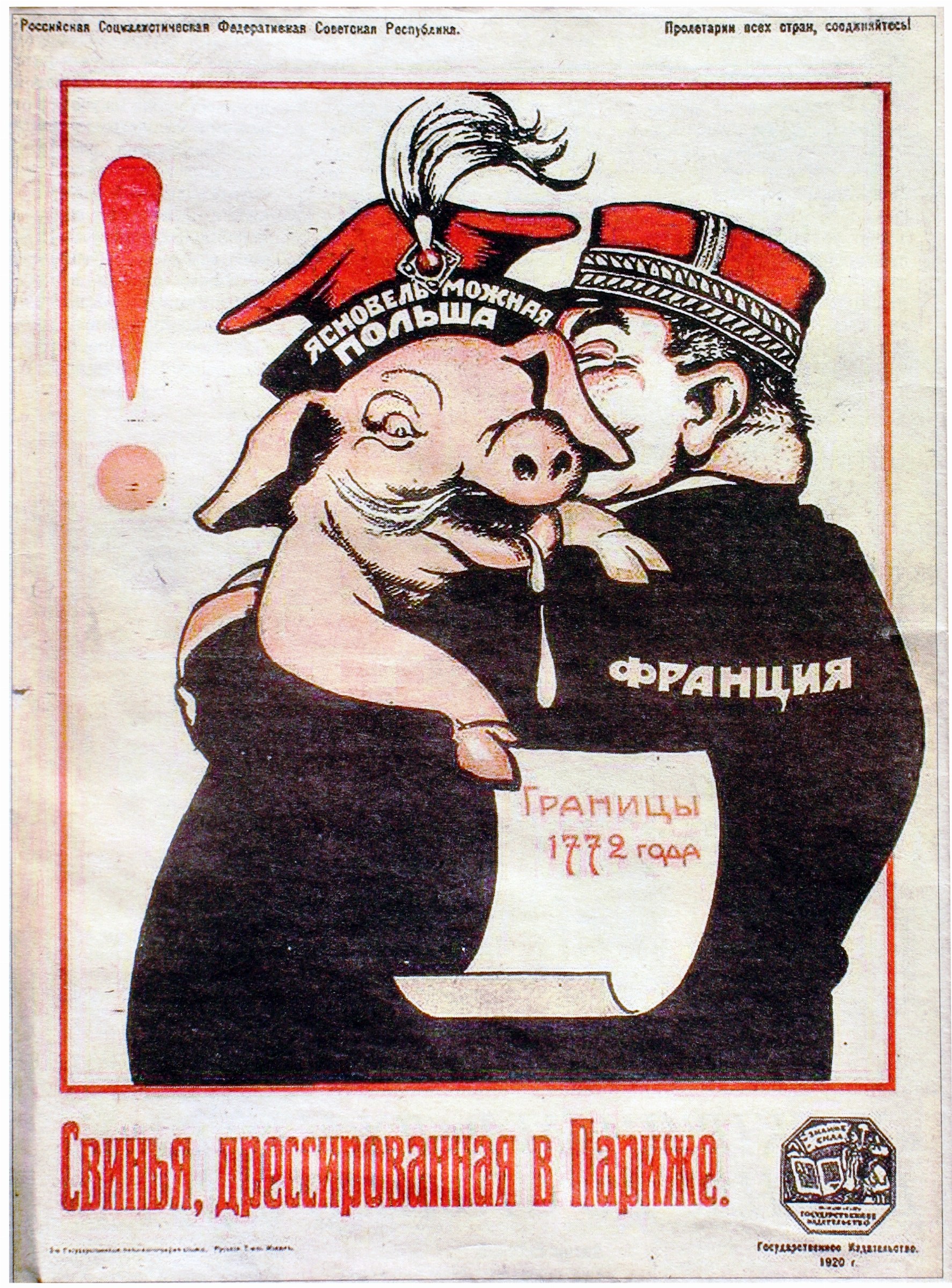
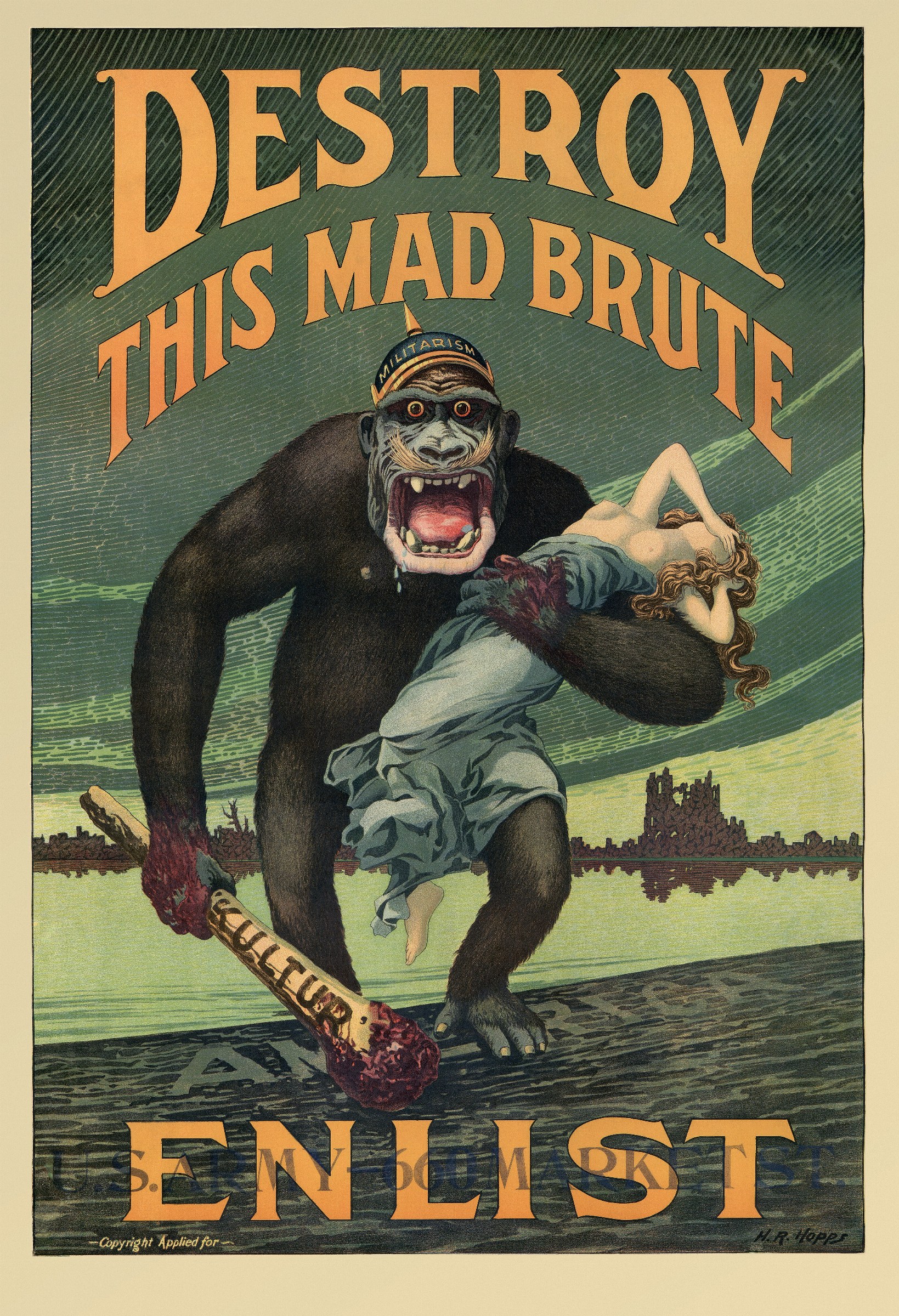
Find a poster that shows a nation or group as an animal. What can the artist say with the animal that could not be printed as a sentence?
In the wild
Short examples of the technique at work, each with what to notice. The same examples are questions in the quiz, where the answer is not given away.
A cartoon shows a neighboring country's population as a tide of identical rats pouring over a border fence.
What to notice. The people are drawn as vermin; the fence and the tide follow from the choice of animal.
A poster draws a rival politician's supporters as a herd of sheep being led by a man with a crook.
What to notice. The supporters are livestock, with no minds to answer; the picture argues that they cannot be reasoned with.
A recruiting leaflet shows the enemy soldier with a snout and tusks under his helmet.
What to notice. Animal features on a human body: the soldier is drawn as a beast so that killing him is hunting.
Sources
- Dower, John W. War Without Mercy: Race and Power in the Pacific War. New York: Pantheon Books, 1986. ISBN 978-0394751726
- Smith, David Livingstone. Less Than Human: Why We Demean, Enslave, and Exterminate Others. New York: St. Martin's Press, 2011. ISBN 978-0312532727
- Keen, Sam. Faces of the Enemy: Reflections of the Hostile Imagination. San Francisco: Harper & Row, 1986. ISBN 978-0062504678