Guilt by association
Discrediting a person or an idea by linking it to someone or something the audience already condemns, so that the link does the work an argument should.
The device is transfer with the sign reversed. Instead of lending prestige by proximity, it lends disgrace: this person once shared a platform with that person; this policy is also favored by that regime; this word is used by those people. None of these facts bears on whether the person is honest or the policy sound, but each invites the audience to feel about the target what it already feels about the associate.
It is especially effective because refuting it requires discussing the associate, which repeats the association. The target either ignores the smear, which looks like an admission, or answers it, which spreads it. Exploits Halo Effect in reverse and Association.
Historical examples
Richard Nixon's campaign against Helen Gahagan Douglas for the California Senate seat circulated a "pink sheet" comparing her voting record with that of a New York congressman widely regarded as pro-Soviet, and called her "pink right down to her underwear." The votes listed were real; what they proved about Douglas was nothing, and the association decided the election.
Mitchell, Greg. Tricky Dick and the Pink Lady: Richard Nixon vs Helen Gahagan Douglas. New York: Random House, 1998.
Congressional investigations of the period treated membership in organizations that communists had also joined, attendance at meetings, and past friendships as evidence of disloyalty. The phrase "guilt by association" entered ordinary American speech as a description of this method, and the blacklists it produced ended careers without a single act being shown.
Schrecker, Ellen. Many Are the Crimes: McCarthyism in America. Boston: Little, Brown, 1998.
In advertising and commerce
Advertising that names no fault in a rival product but places it beside something the buyer dislikes, a cheap imitation, a foreign factory, a discredited ingredient, works by the same mechanism. Regulators of comparative advertising exist partly to police this: an association may be true and still unfair if it implies a defect the advertiser cannot show.
Pratkanis, Anthony, and Elliot Aronson. Age of Propaganda. Rev. ed. New York: W. H. Freeman, 2001; Federal Trade Commission. Statement of Policy Regarding Comparative Advertising, 1979.
In the archive
Posters and advertisements annotated with this technique.
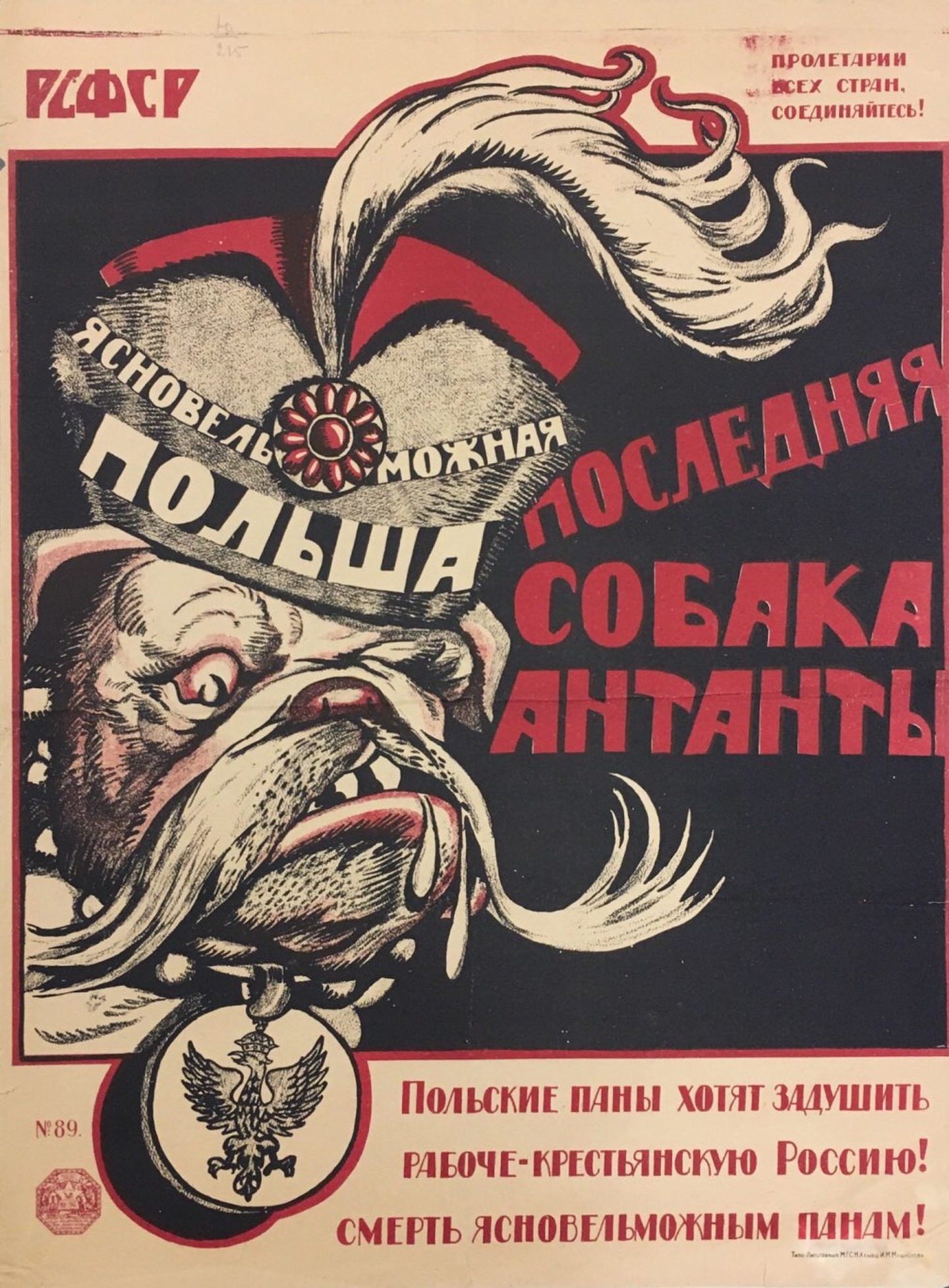
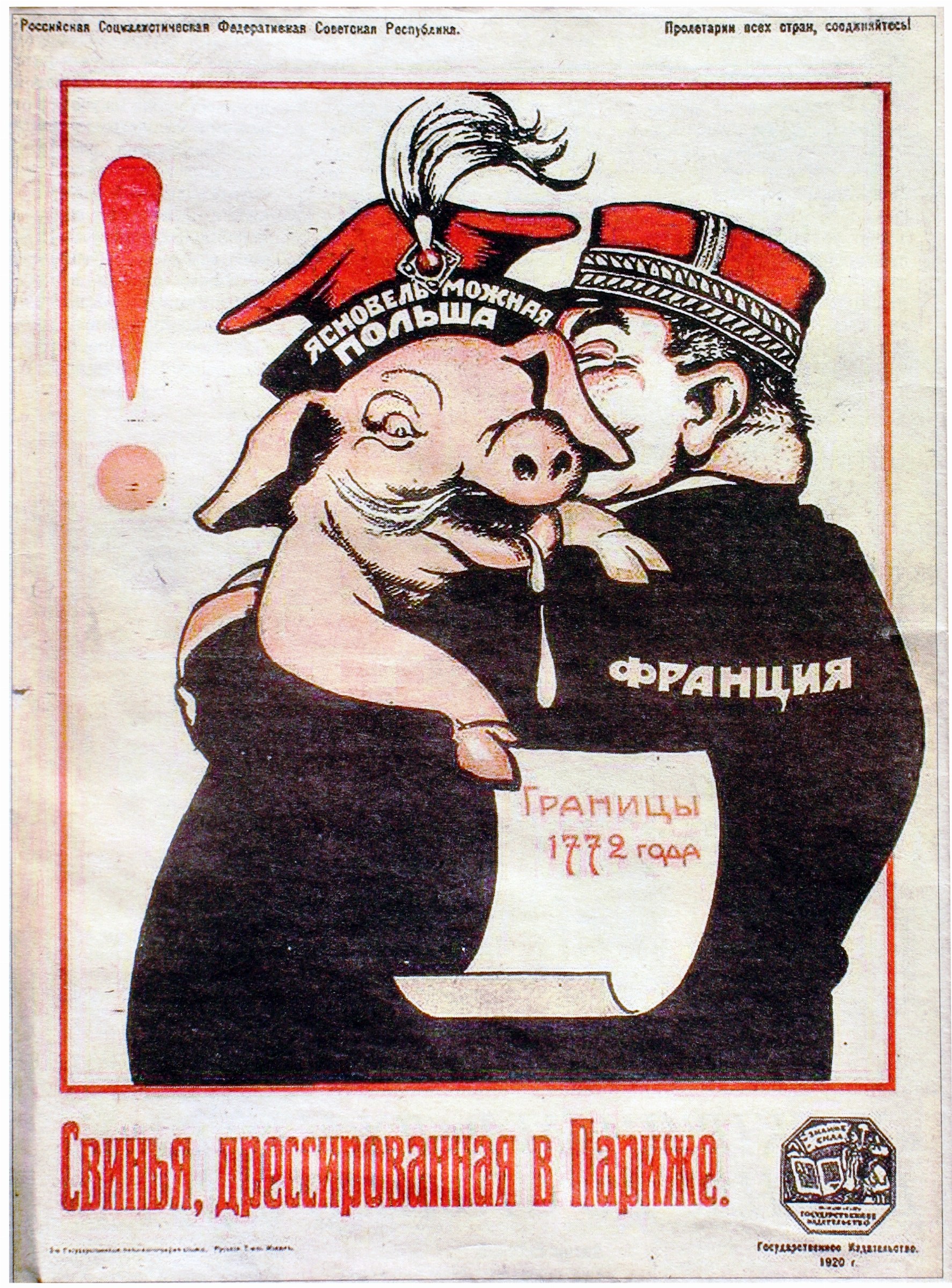
Find a message that attacks an idea by naming who else supports it. Does the message say anything about the idea? Write the argument it would need to make instead.
In the wild
Short examples of the technique at work, each with what to notice. The same examples are questions in the quiz, where the answer is not given away.
"Before you support her housing plan, you should know it was praised in a newspaper that also defended the strike."
What to notice. The plan is not discussed; a chain of association is offered in its place.
"He once appeared on the same panel as a convicted fraudster. Draw your own conclusions."
What to notice. A true, irrelevant link and an invitation to transfer the associate's disgrace.
"This is the same argument the tobacco companies used." The argument is about a different product and is not examined.
What to notice. Whether the argument is sound is replaced by who else once made one like it.
Sources
- Mitchell, Greg. Tricky Dick and the Pink Lady. New York: Random House, 1998. ISBN 978-0679416210
- Schrecker, Ellen. Many Are the Crimes: McCarthyism in America. Boston: Little, Brown, 1998. ISBN 978-0316774703
- Walton, Douglas. Ad Hominem Arguments. Tuscaloosa: University of Alabama Press, 1998. ISBN 978-0817309220
- Pratkanis, Anthony, and Elliot Aronson. Age of Propaganda. Rev. ed. New York: W. H. Freeman, 2001. ISBN 978-0805074031