Idealized figure
Drawing the worker, soldier, mother, or citizen as a flawless type, young, strong, clean, and smiling, so that the viewer measures herself against a person who does not exist and the regime or brand that drew her.
The idealized figure is a promise disguised as a portrait. The munitions worker with a film star's face says that the job is glamorous; the steelworker with a sculptor's torso says that the state makes such men. Nobody in the audience looks like the figure, and the gap between them is the lever: it can be closed by enlisting, buying, or believing. Socialist realism, fascist sculpture, and the advertising of every decade have used the same device with different bodies.
The figure also removes the real worker from view. Fatigue, injury, yellow skin from TNT, and the strike are not in the picture, and the picture is what the public sees of the plant. Exploits Halo Effect and Social Comparison.
Historical examples
Vera Mukhina's "Worker and Kolkhoz Woman," a stainless-steel pair twenty-four meters high striding forward with hammer and sickle raised, crowned the Soviet pavilion at the Paris exposition, facing the German pavilion's eagle across the avenue. The figures became the Mosfilm logo and the state's standard image of its citizens, in a year in which the state was shooting them by the hundred thousand.
Bonnell, Victoria E. Iconography of Power. Berkeley: University of California Press, 1997; Udovički-Selb, Danilo. "Facing Hitler's Pavilion: The Uses of Modernity in the Soviet Pavilion at the 1937 Paris International Exhibition." Journal of Contemporary History 47, no. 1 (2012).
Arno Breker's monumental nudes for the Reich Chancellery and the Berlin stadium, "The Party" and "The Army," presented the Nazi citizen as a classical athlete, and the regime's exhibitions of "degenerate" and "German" art in 1937 set the type against its opposite. Breker's figures had no individuals behind them; they were the standard the population was measured against.
Adam, Peter. Art of the Third Reich. New York: Abrams, 1992; Petropoulos, Jonathan. Artists Under Hitler. New Haven: Yale University Press, 2014.
In advertising and commerce
Leo Burnett's agency reinvented a filter cigarette sold to women as the smoke of a cowboy: lean, weathered, alone, and silent. The Marlboro Man ran for half a century and made the brand the world's largest; several of the men who posed as him died of smoking-related disease, which was not in the picture.
Brandt, Allan M. The Cigarette Century. New York: Basic Books, 2007; Lohof, Bruce A. "The Higher Meaning of Marlboro Cigarettes." Journal of Popular Culture 3, no. 3 (1969).
In the archive
Posters and advertisements annotated with this technique.
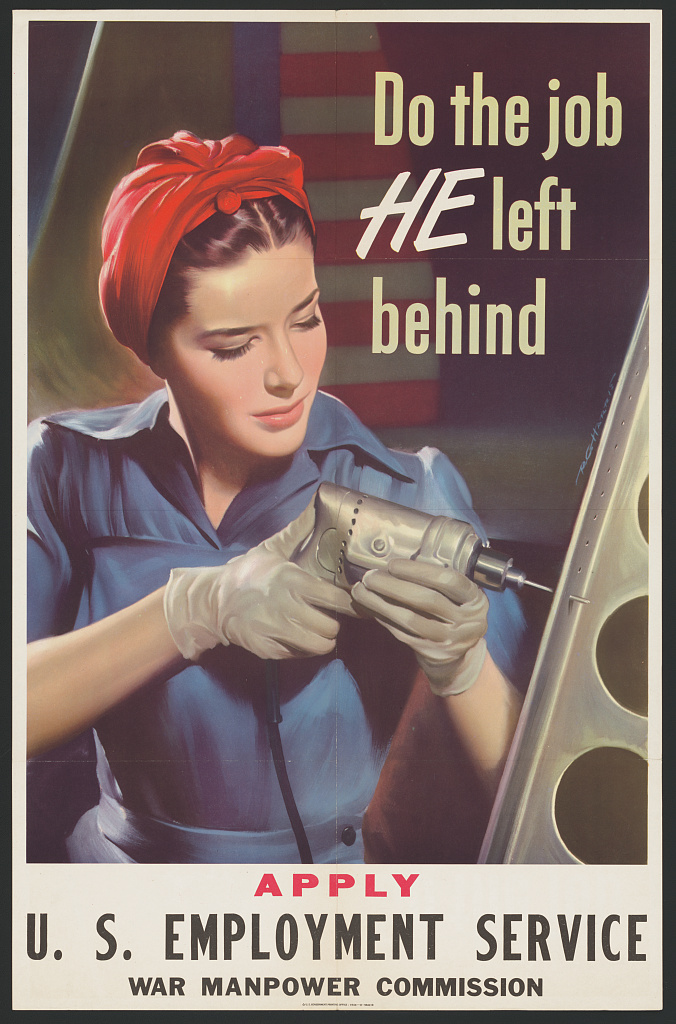
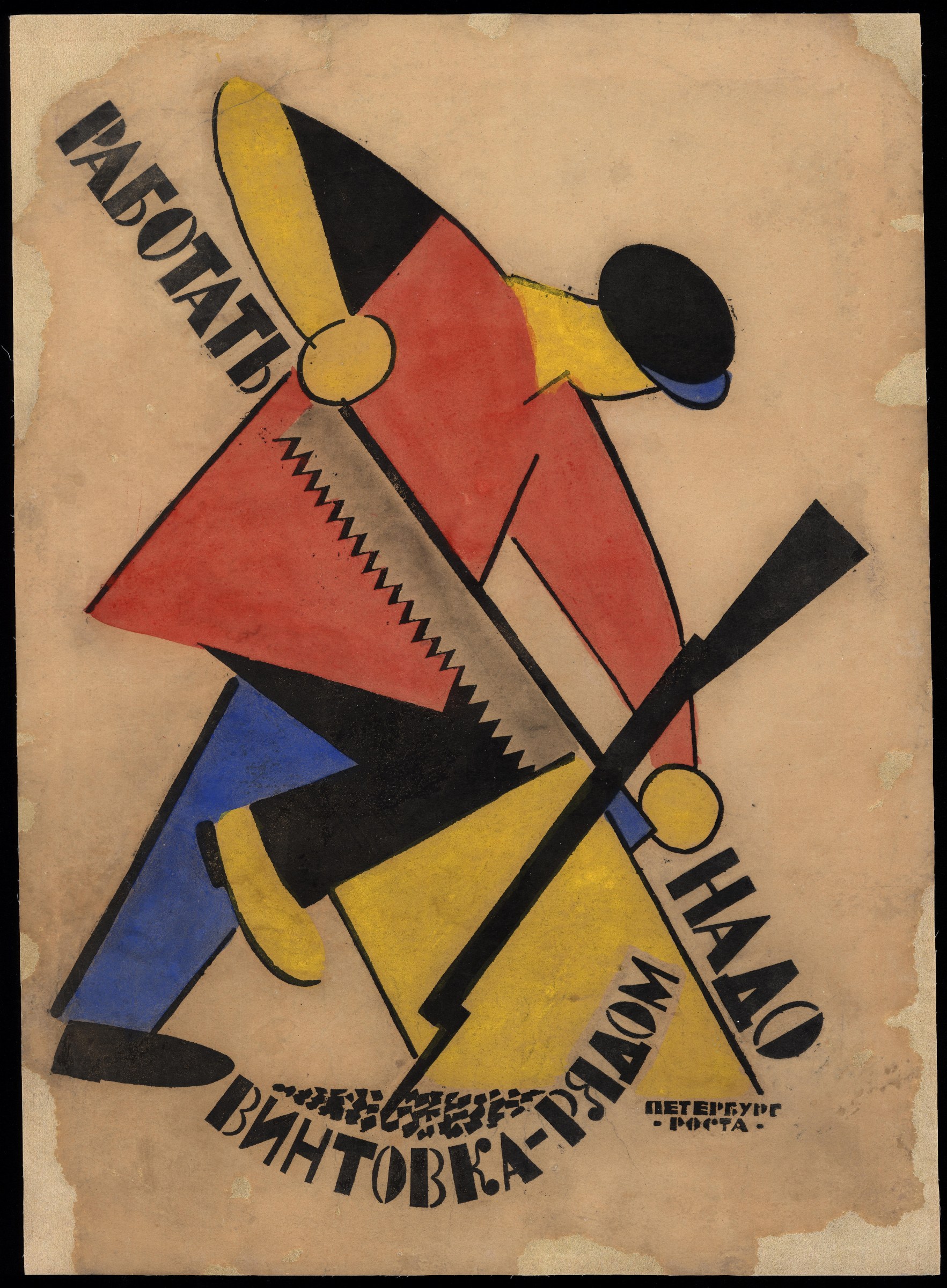
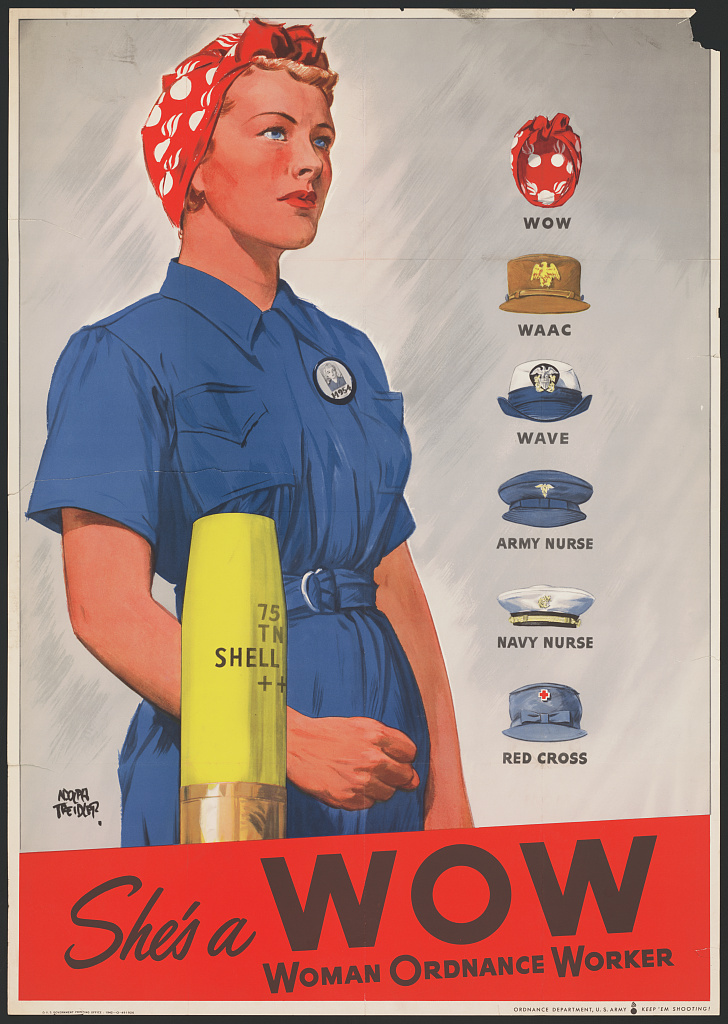
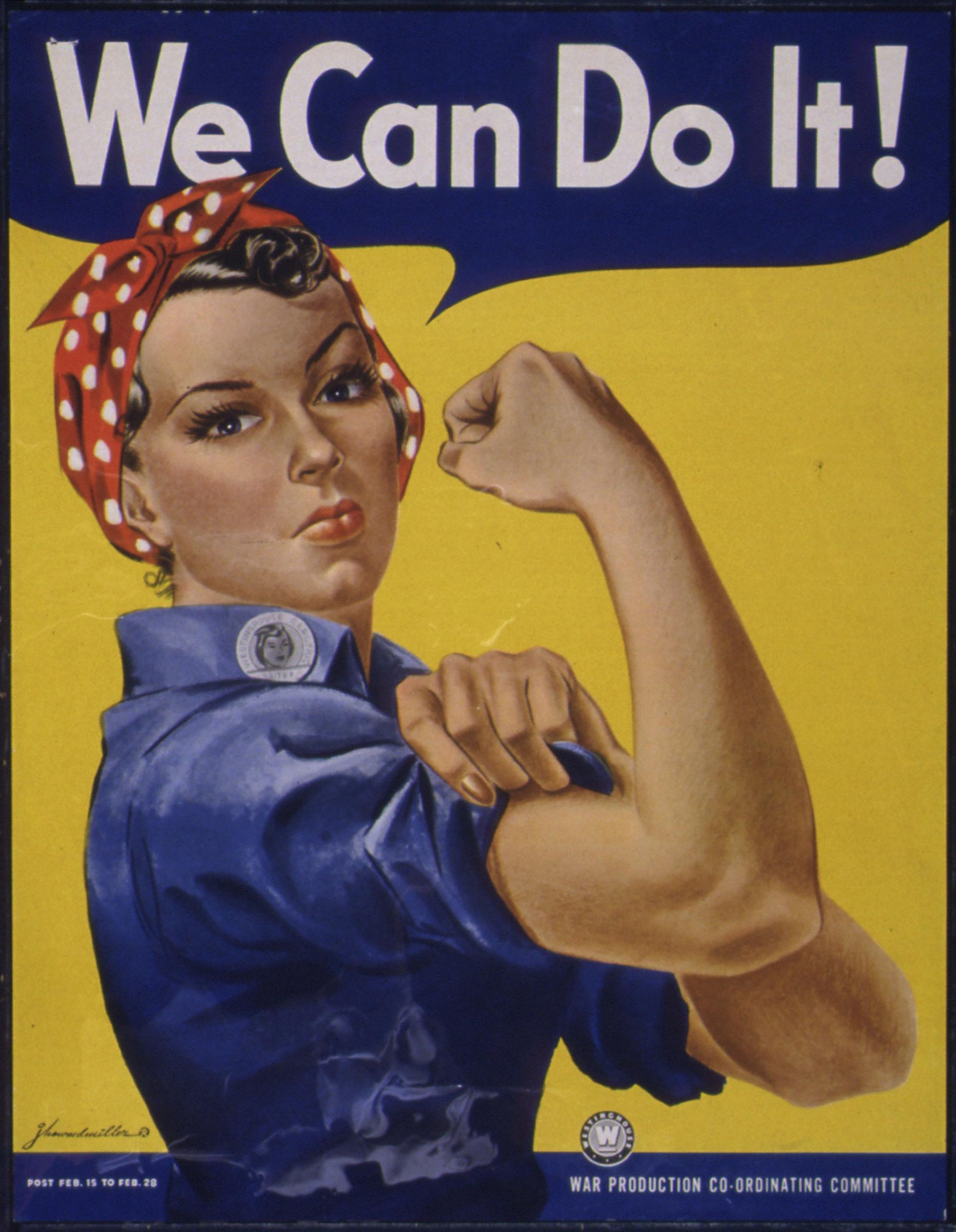
Find a poster that shows a worker or soldier. List everything about the figure that is better than the real job: the skin, the clothes, the light, the expression. Who benefits from the gap?
In the wild
Short examples of the technique at work, each with what to notice. The same examples are questions in the quiz, where the answer is not given away.
A recruiting poster shows a nurse with a model's face and a spotless uniform, looking into the distance, under the words "Be one of them."
What to notice. The nurse is a type, not a person, drawn so that the viewer wants to be her; the work is not in the picture.
A bank's advertisement shows "our customers" as four smiling families, all young, all in new clothes, all in the same light.
What to notice. The customers are drawn to one pattern. The viewer measures herself against them and the bank.
A state's postage stamp shows a farmer with a sculptor's torso lifting a sheaf, no sweat and no dirt.
What to notice. The farmer is a standard, not a portrait. The state claims to make such men.
Sources
- Bonnell, Victoria E. Iconography of Power: Soviet Political Posters under Lenin and Stalin. Berkeley: University of California Press, 1997. ISBN 978-0520221536
- Adam, Peter. Art of the Third Reich. New York: Harry N. Abrams, 1992. ISBN 978-0810919129
- Brandt, Allan M. The Cigarette Century: The Rise, Fall, and Deadly Persistence of the Product That Defined America. New York: Basic Books, 2007. ISBN 978-0465070473