Propaganda examples in history
Posters and passages from 1898 to 1964, grouped by period, each tied to the technique it uses and the source it comes from.
The archive supplies the posters; the technique entries supply the cited passages for what posters cannot show, a newspaper campaign, a film, a civil-defense drill. Each period links to its archive hub, and the history of propaganda tells the story these examples sit inside.
1898 to 1918
The press and the recruiting office.
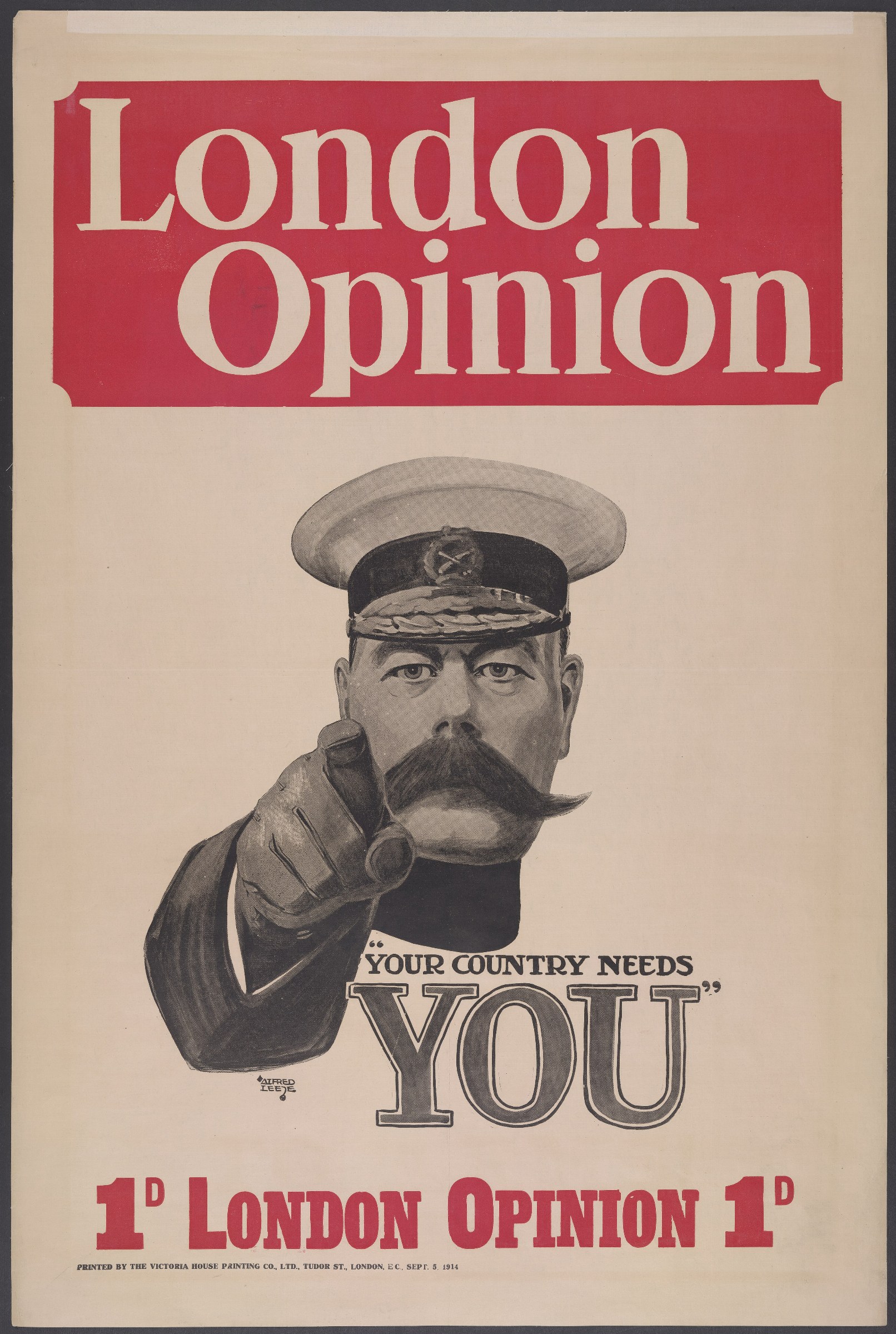 12345
Your country needs you
United Kingdom · 1914 · 5 techniques
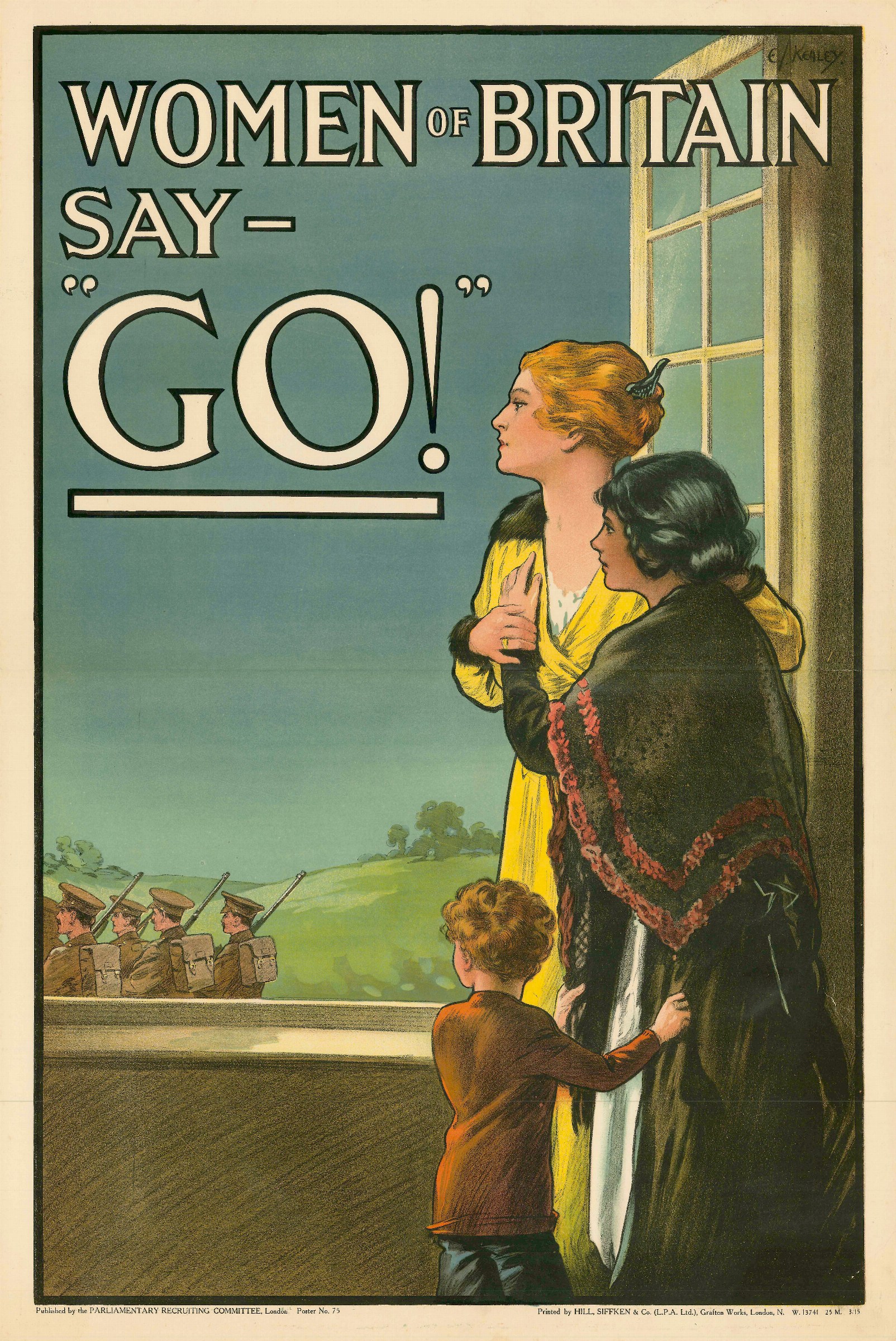 1234
Women of Britain say "Go!"
United Kingdom · 1915 · 4 techniques
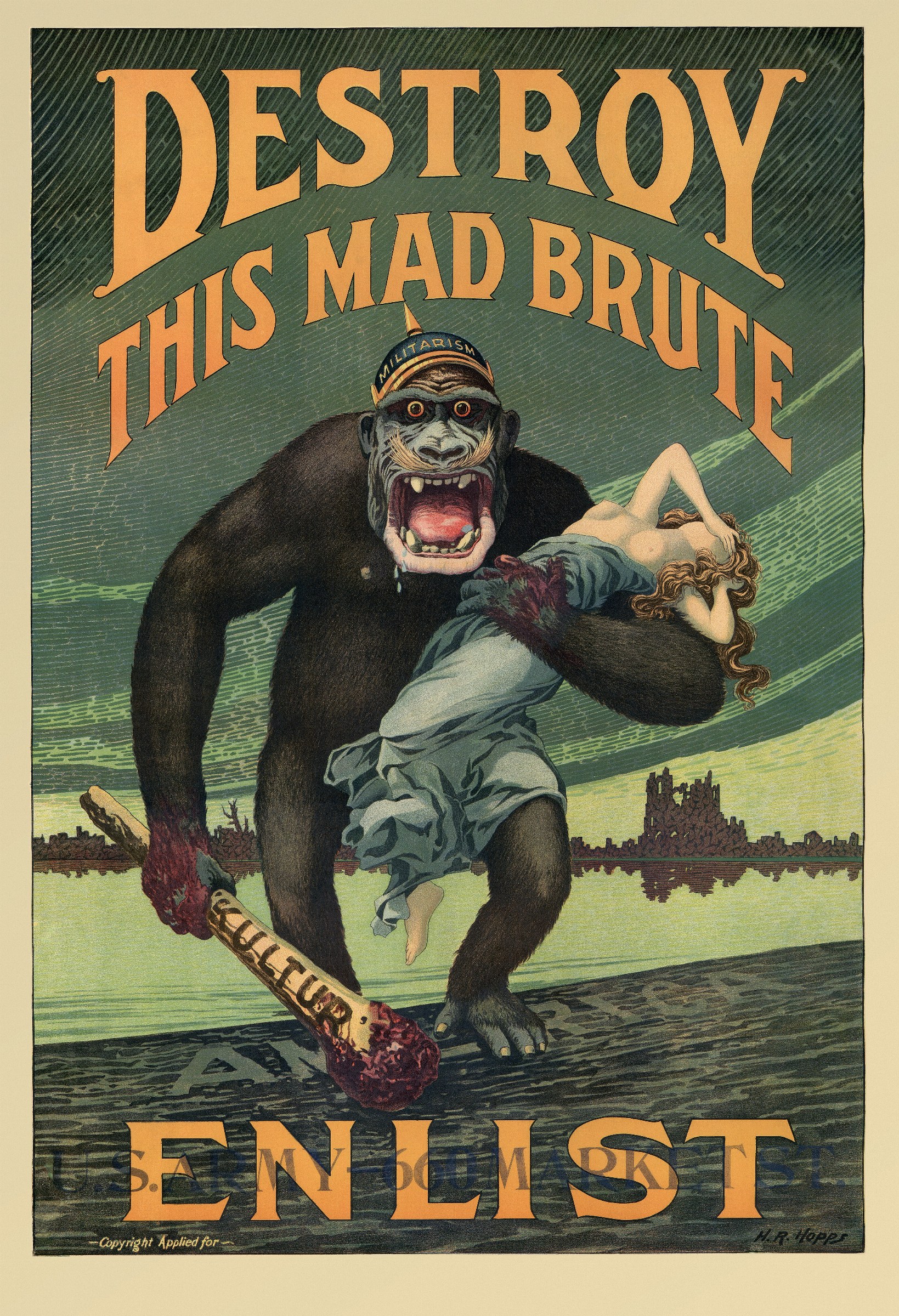 1234
Destroy this mad brute
United States · 1917 · 4 techniques
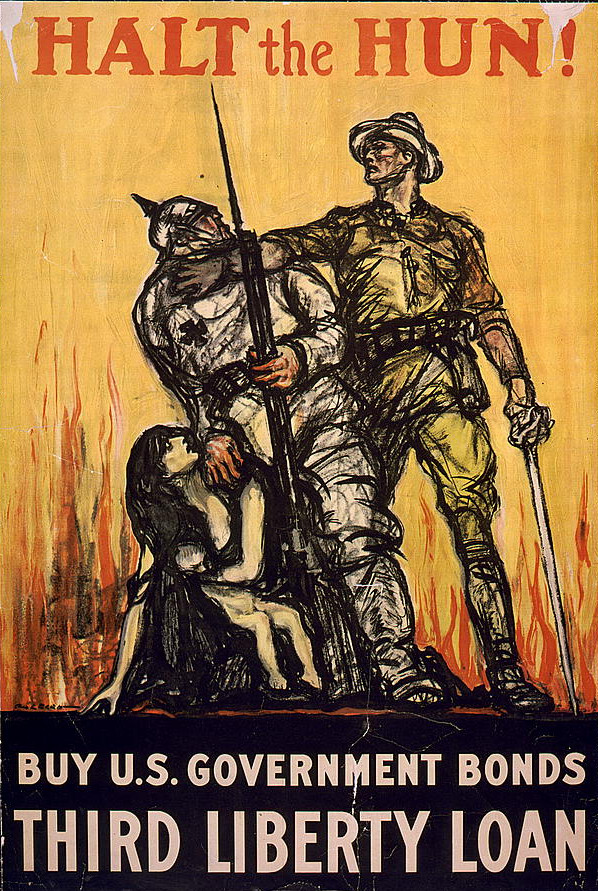 12345
Halt the Hun! Buy U.S. Government bonds
United States · 1918 · 5 techniques
After the battleship Maine exploded in Havana harbor in February 1898, the Hearst and Pulitzer papers ran headlines assigning blame to Spain before any inquiry, under slogans like "Remember the Maine, to hell with Spain." Circulation rose with the anger. The cause of the explosion has never been settled; the war followed within two months.
1917 to 1924
Revolution and civil war.
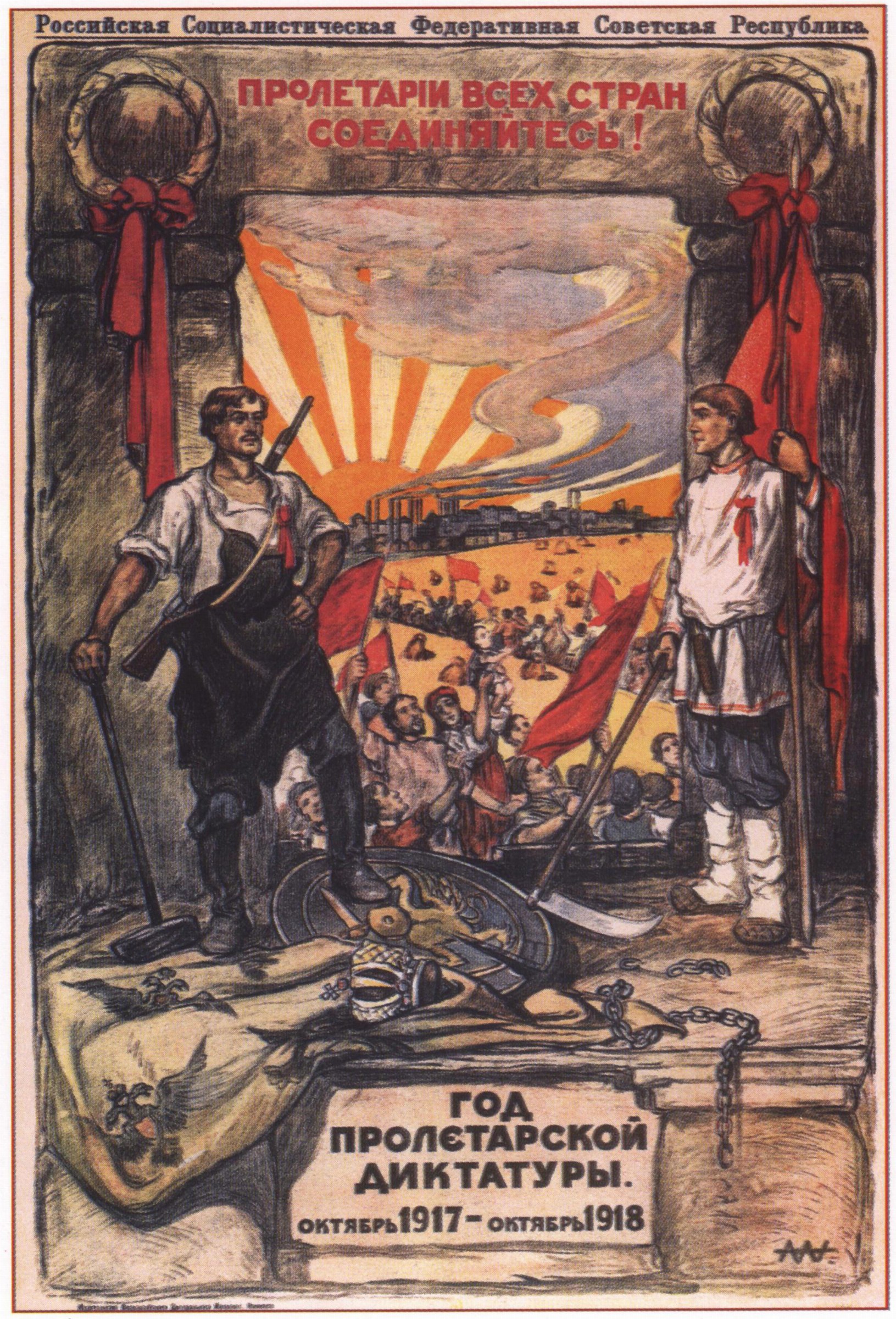 12345
A year of the proletarian dictatorship
Soviet Union · 1918 · 5 techniques
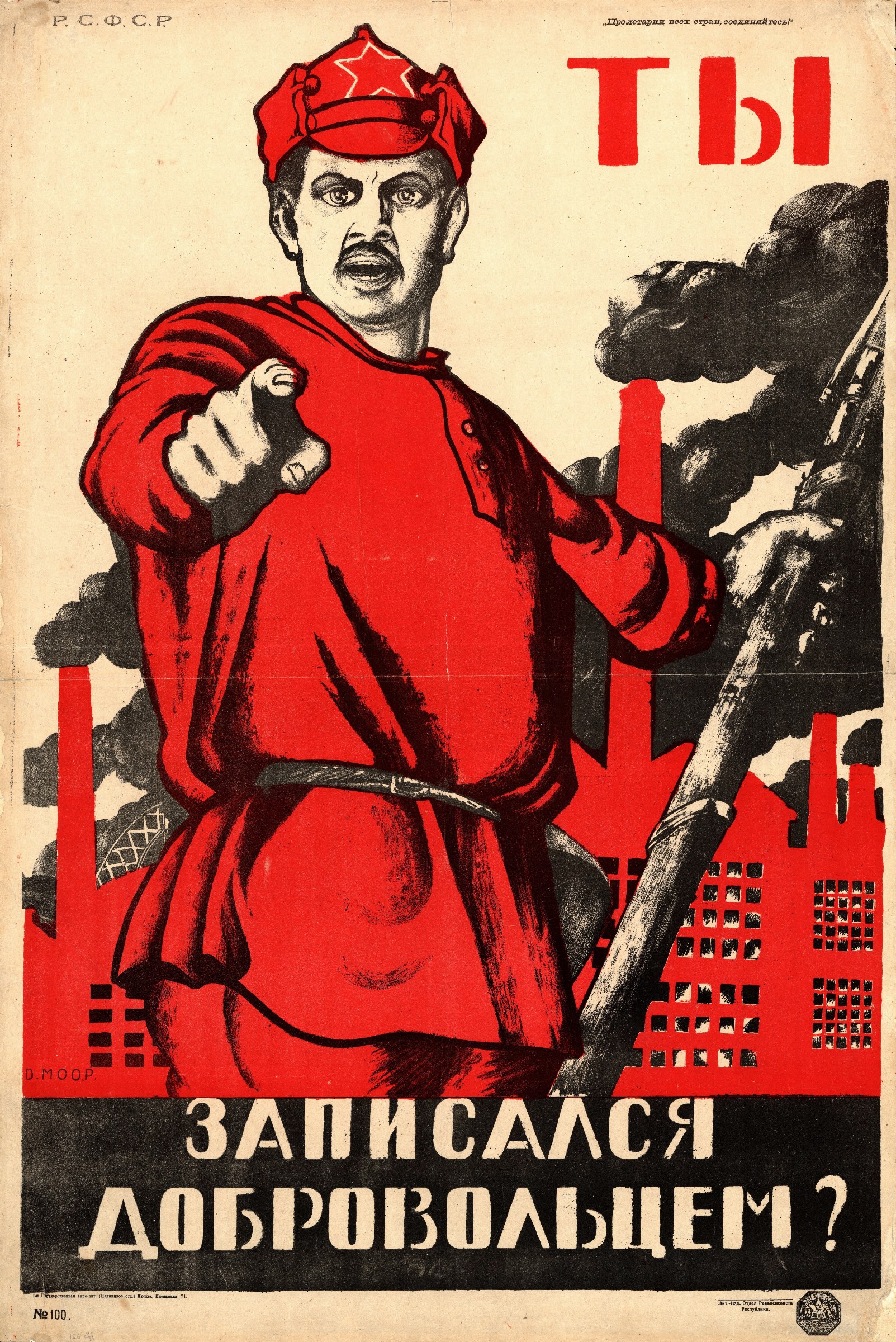 12345
Have you volunteered?
Soviet Union · 1920 · 5 techniques
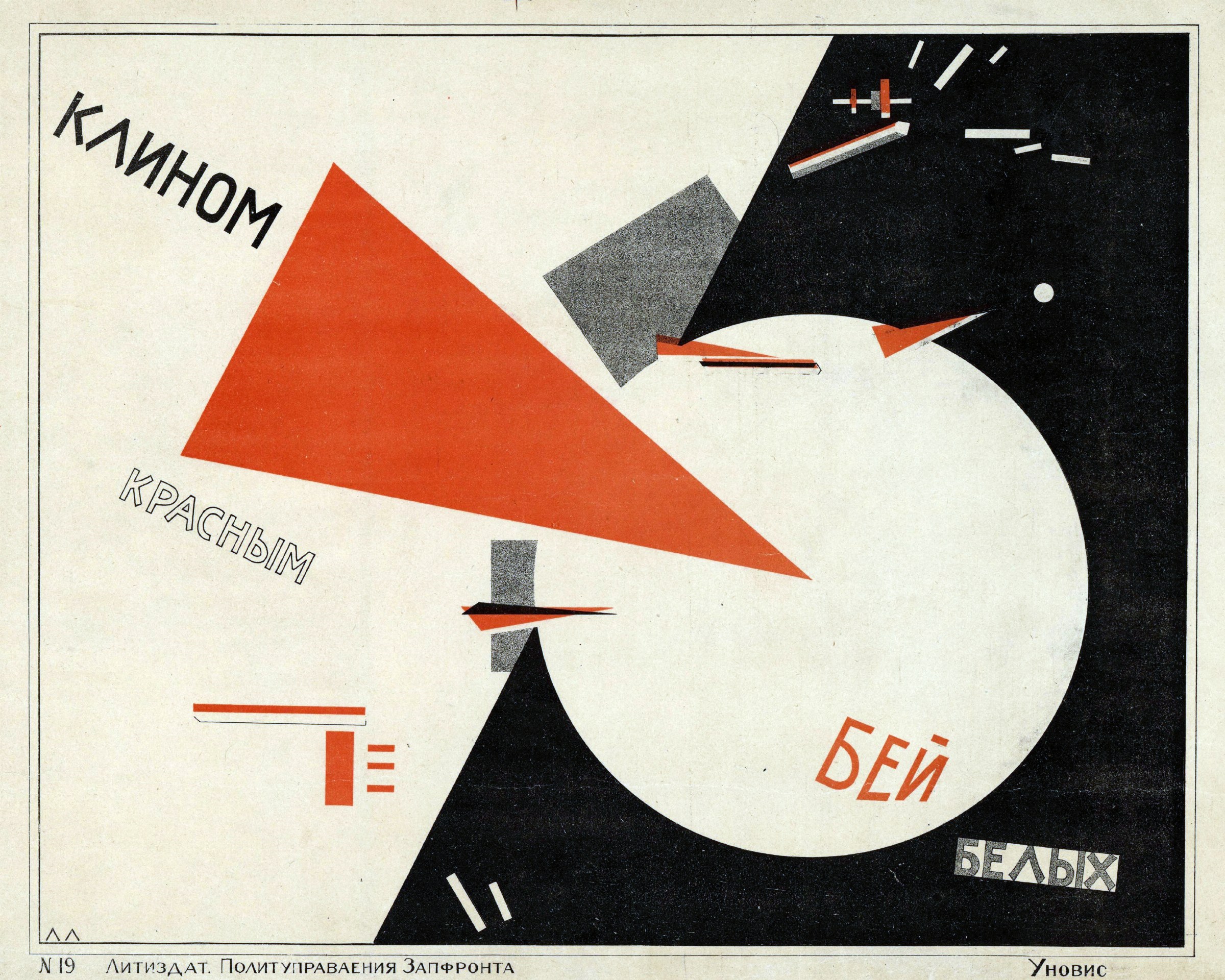 1234
Beat the Whites with the Red Wedge
Soviet Union · 1920 · 4 techniques
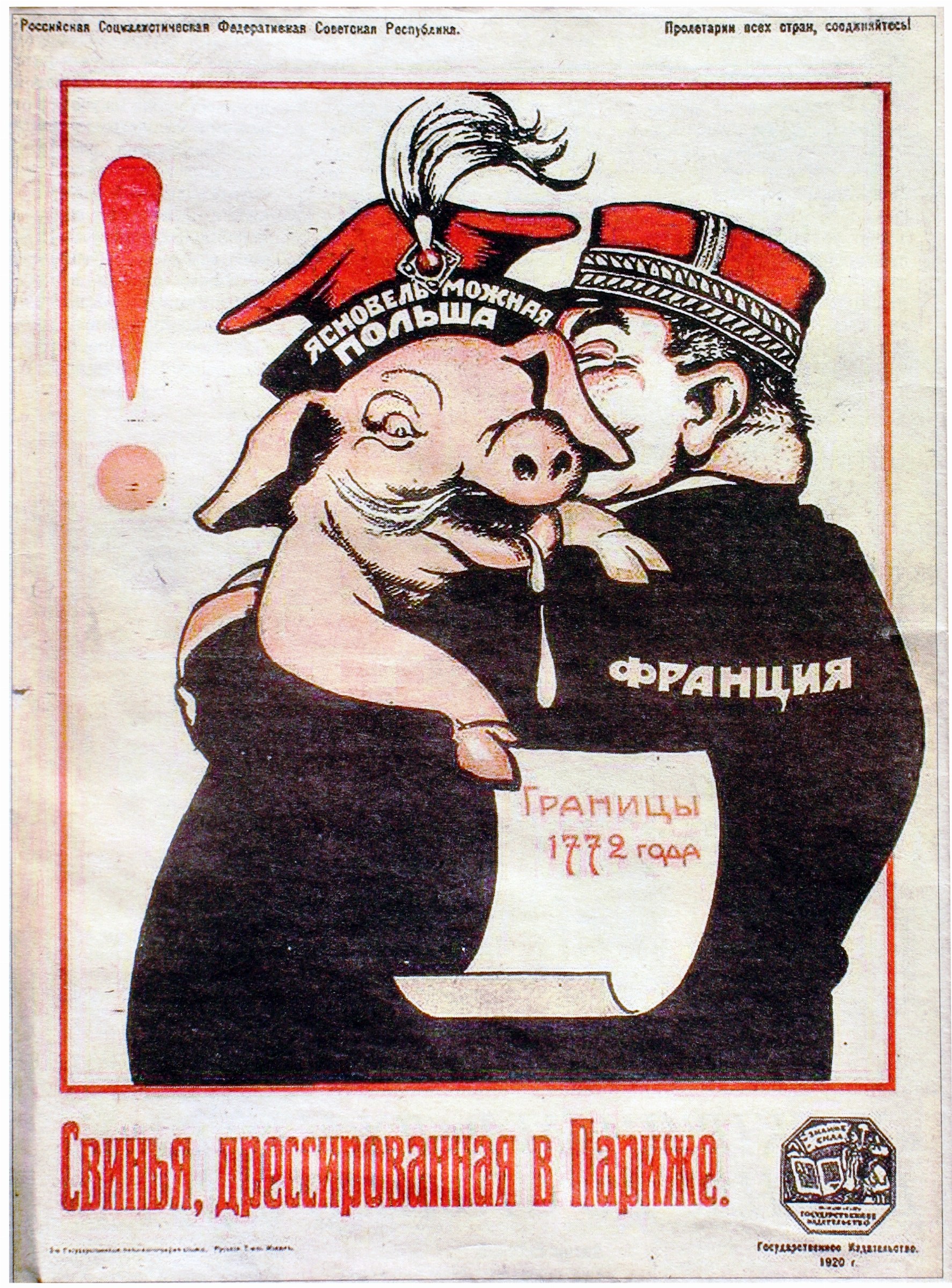 12345
The pig trained in Paris
Soviet Union · 1920 · 5 techniques
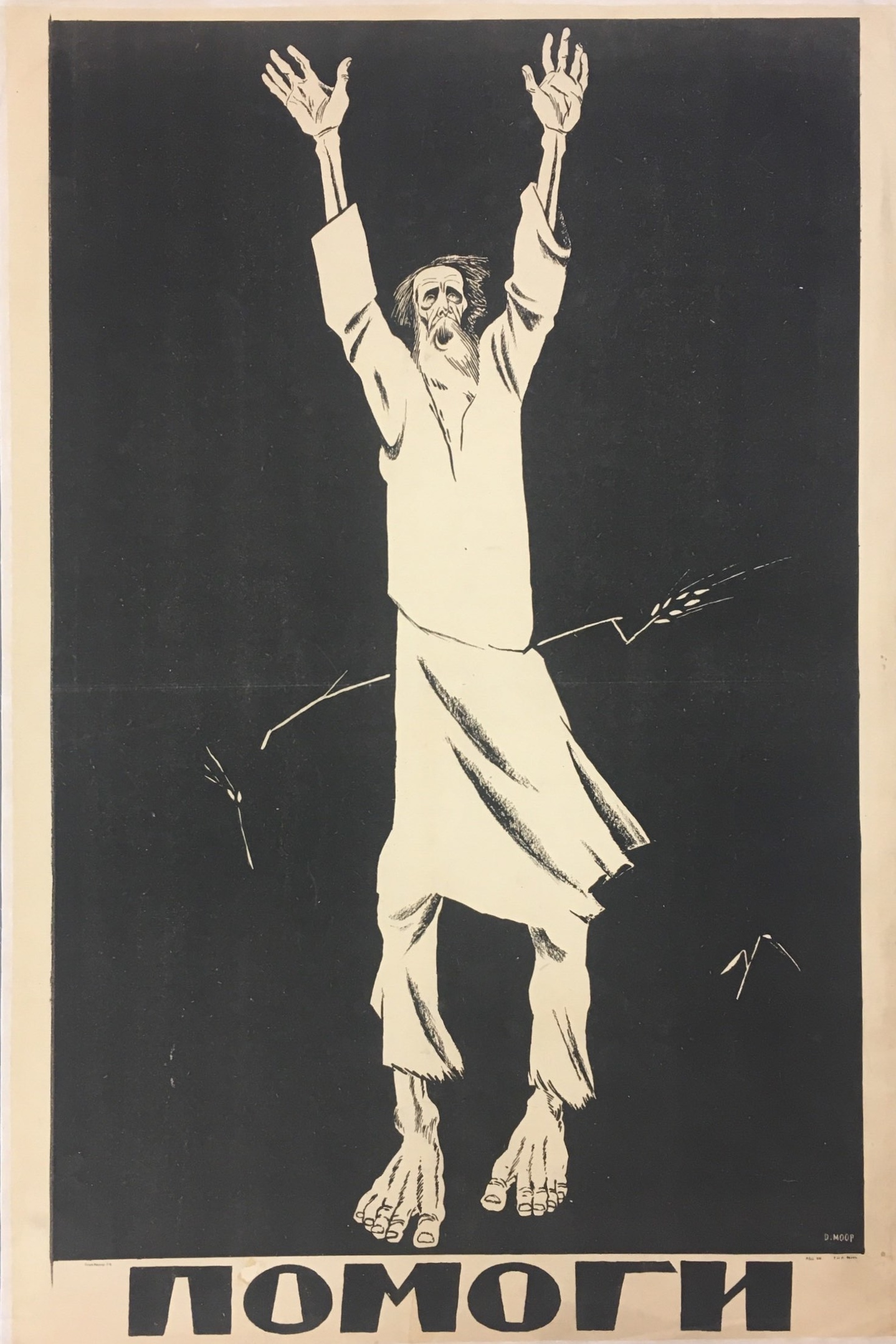 123
Help!
Soviet Union · 1921 · 3 techniques
The 1930s
The leader, the crowd, and the film.
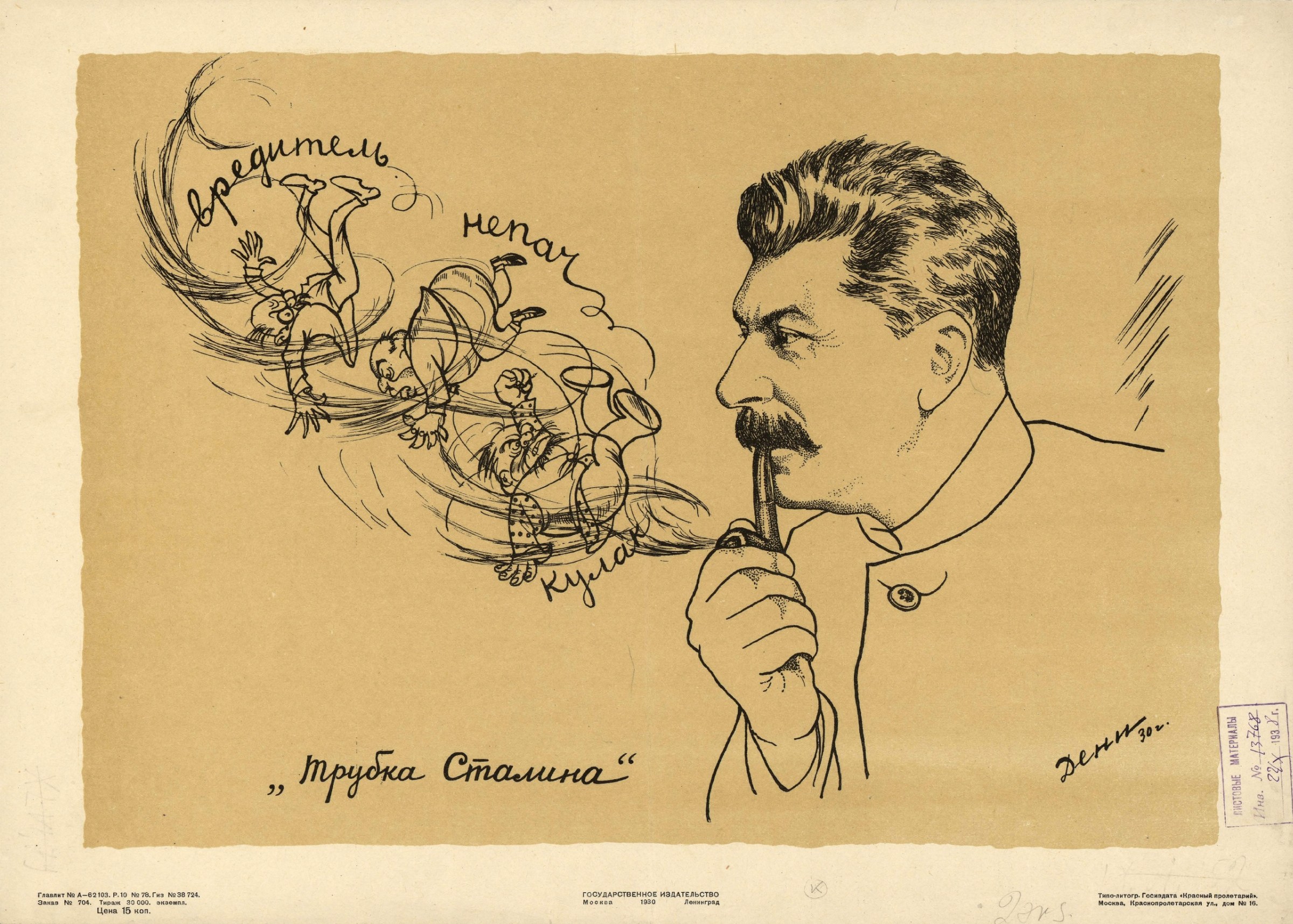 1234
Stalin's pipe
Soviet Union · 1930 · 4 techniques
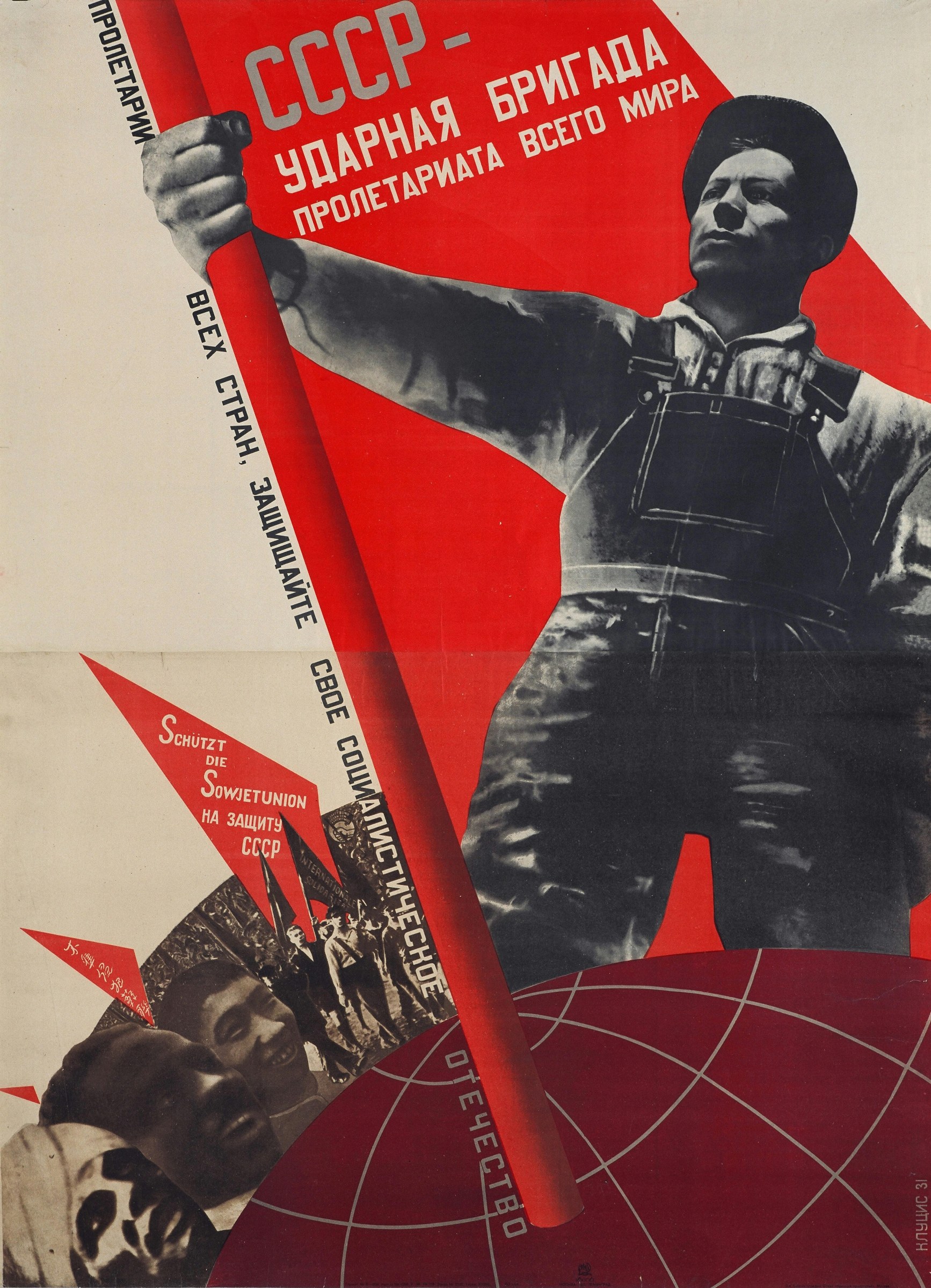 1234
The USSR is the shock brigade of the world proletariat
Soviet Union · 1931 · 4 techniques
Leni Riefenstahl's Triumph of the Will recorded the party rally of September 1934 with thirty cameras, cranes, and tracks laid for the purpose; Albert Speer designed the grounds and the "cathedral of light" of searchlights for the film as much as for those present. The crowd was a set, and the film is the rally most people have seen.
The film Der ewige Jude ("The Eternal Jew"), produced under Goebbels's ministry, intercut footage of Jewish neighborhoods with footage of rats swarming from a sewer while the narration compared the two directly. The film was released in November 1940; the deportations that the metaphor made thinkable began the following year.
1939 to 1945
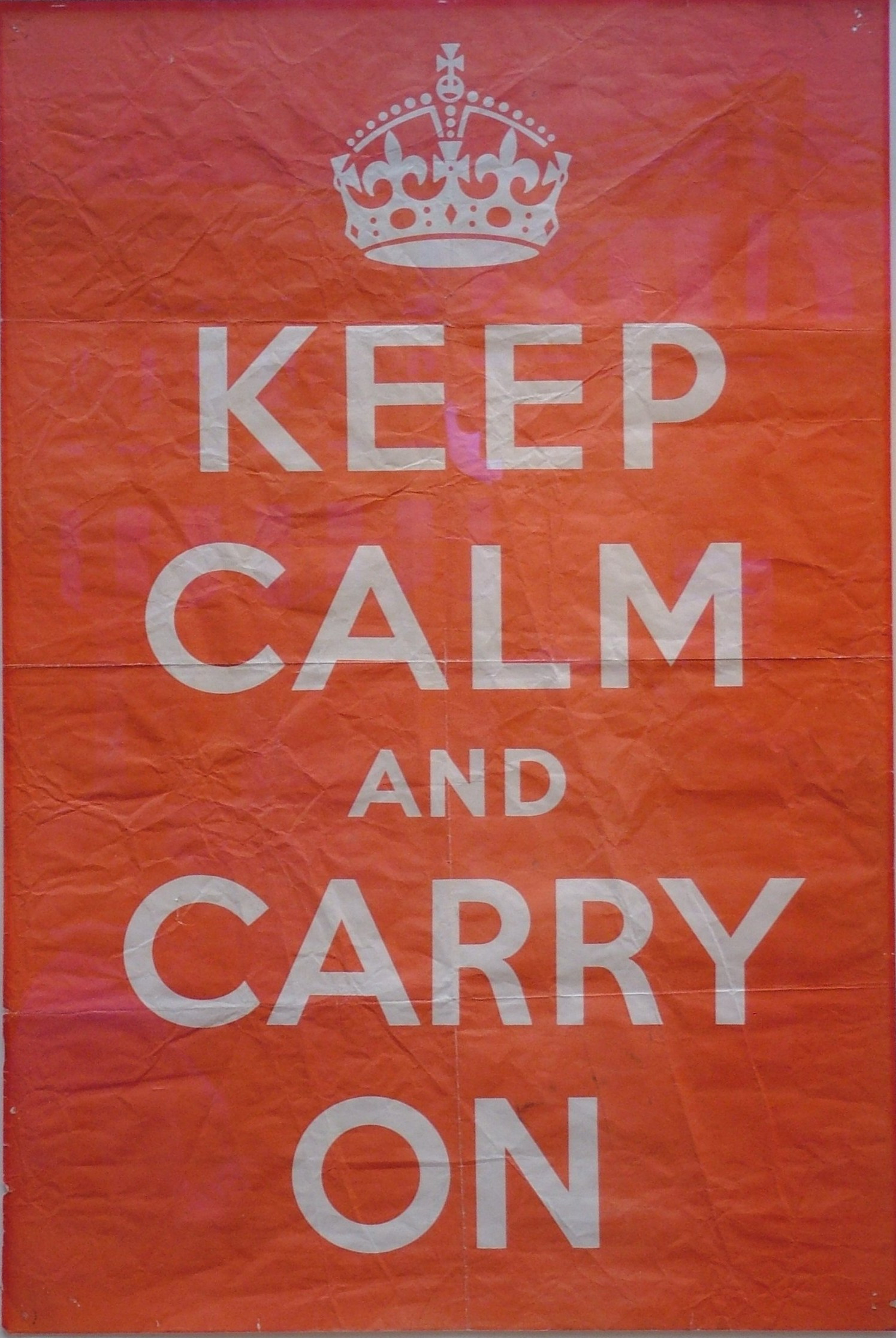 123
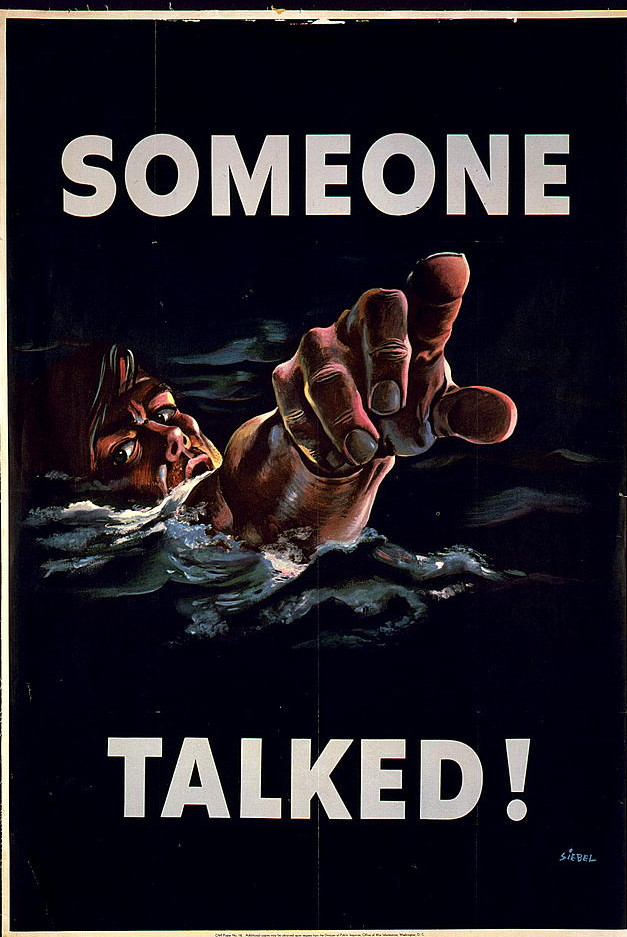 1234
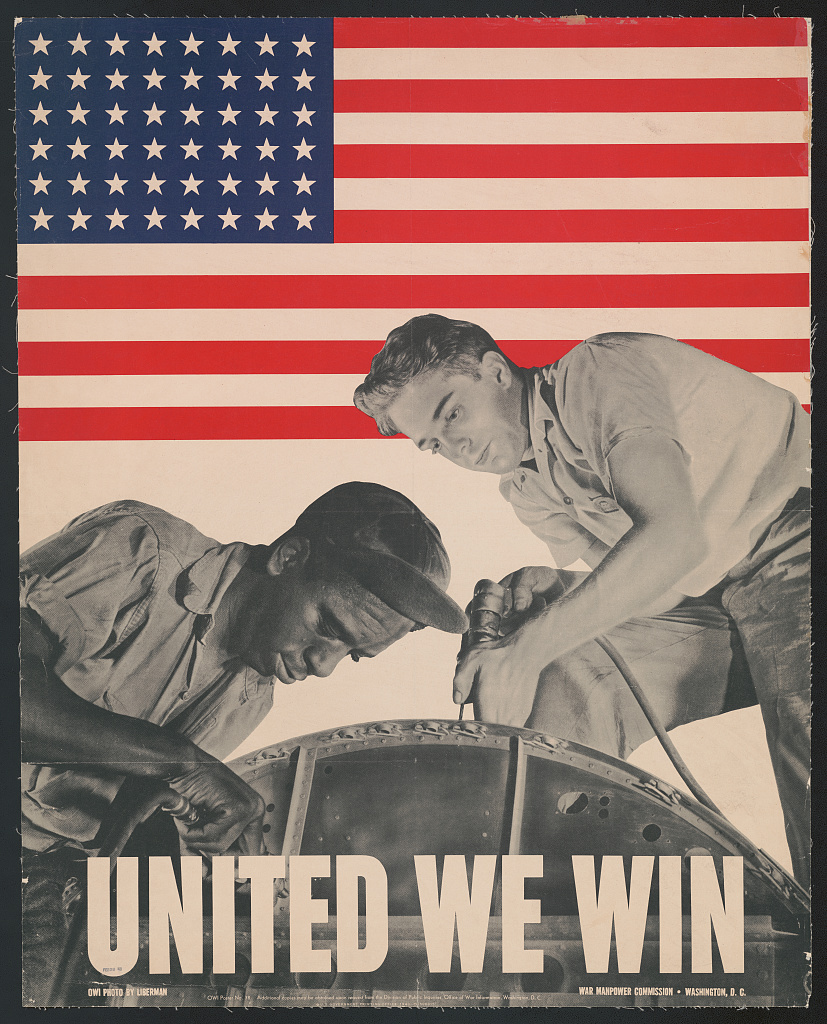 1234
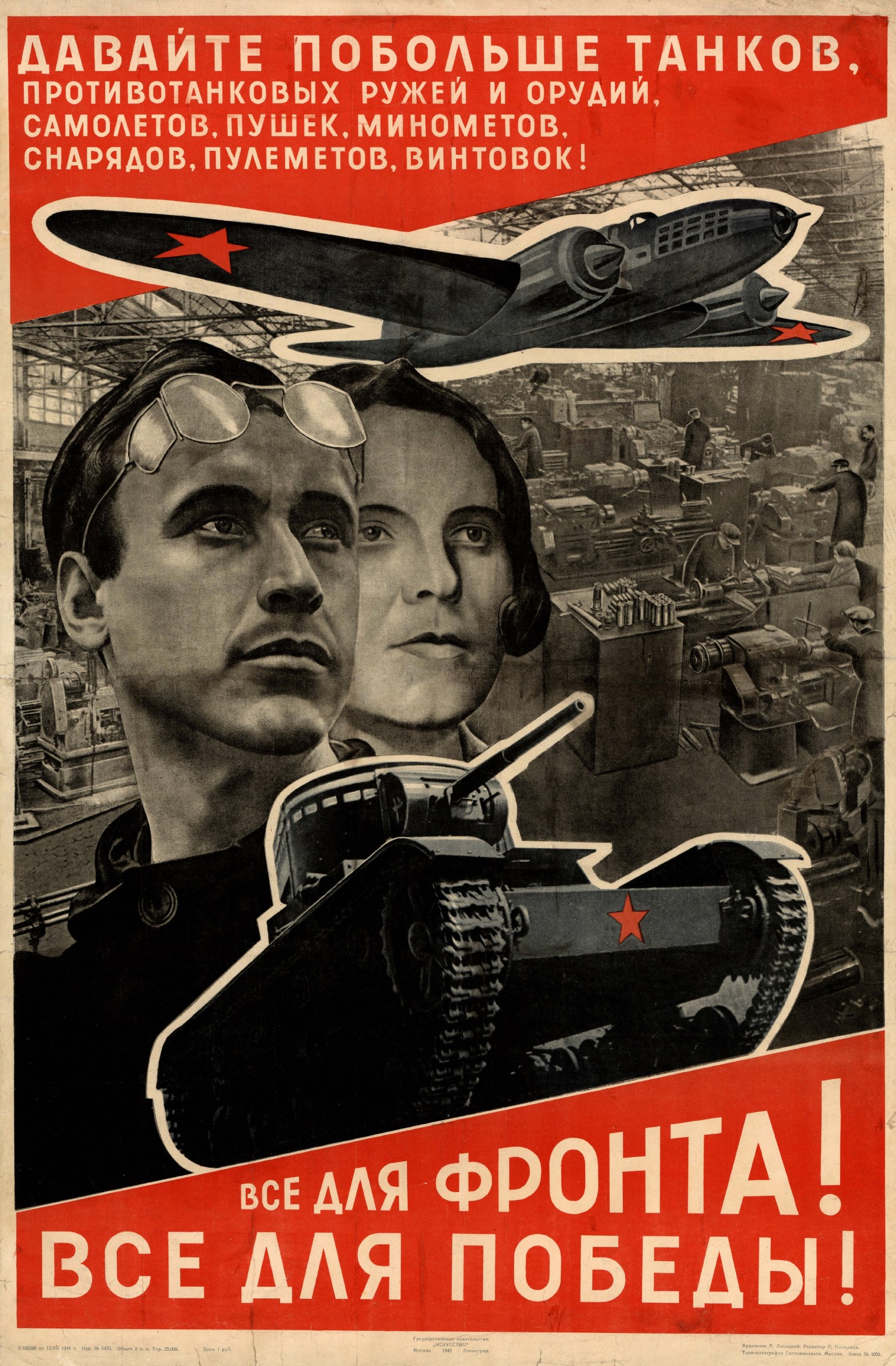 1234
The Cold War
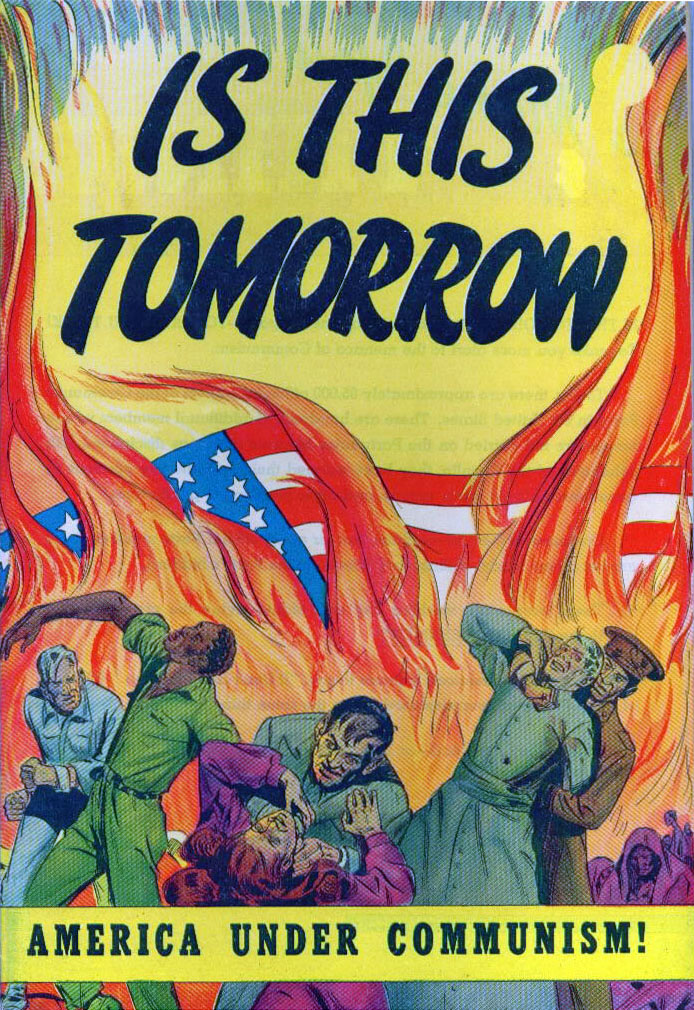 1234
The Federal Civil Defense Administration's "Duck and Cover" film and its Bert the Turtle campaign taught schoolchildren to expect nuclear attack at any moment and offered a remedy, desks and doorways, that the same government's own studies knew was inadequate against a direct strike. The fear was made proportionate to a bomb; the remedy was proportionate to a habit.
The Johnson campaign's "Daisy" advertisement, broadcast once on 7 September 1964, showed a small girl counting petals before a nuclear countdown and a mushroom cloud, and closed with "The stakes are too high for you to stay home." Goldwater was never named. The threat took the whole minute; the remedy was a vote.
- Propaganda examples in advertisingThe same devices, sold by the column inch: borrowed authority, numbers that mislead, words that do the work, pictures that promise, and the crowd that is already buying.
- Propaganda examples in social mediaFake people, fake crowds, fake pictures, and a feed built to reward anger: the documented cases behind the digital-era techniques.
- Propaganda examples for studentsFourteen classroom-safe examples arranged by the seven devices of 1937, two for each, with the questions to ask of them.
- Propaganda examplesTwelve of the clearest examples on the site, one per turn of the century, each annotated pin by pin. Start here, then follow a theme.